




- My Forums
- Tiger Rant
- LSU Recruiting
- SEC Rant
- Saints Talk
- Pelicans Talk
- More Sports Board
- Fantasy Sports
- Golf Board
- Soccer Board
- O-T Lounge
- Tech Board
- Home/Garden Board
- Outdoor Board
- Health/Fitness Board
- Movie/TV Board
- Book Board
- Music Board
- Political Talk
- Money Talk
- Fark Board
- Gaming Board
- Travel Board
- Food/Drink Board
- Ticket Exchange
- TD Help Board
Customize My Forums- View All Forums
- Show Left Links
- Topic Sort Options
- Trending Topics
- Recent Topics
- Active Topics
Started By
Message
Making roux
Posted on 12/5/25 at 7:43 pm

Posted on 12/5/25 at 7:43 pm
Probably been covered before but I’m coming to the board for advice. Like most people in LA I made turkey-andouille gumbo with our leftovers.
I’m traditional. I didn’t measure but heated about a half cup of vegetable oil in a cast iron pot. Added about a cup of flour over medium heat. Stirred for an hour and 15 minutes until it was dark chocolate color. Stirred in veggies and the roux got darker. Slowly incorporated stock (Better Than Bouillon is a great base). Added meat and simmered for a couple hours. Thick, dark and tasty.
My question is: Is there an easier or quicker way to make a good, dark roux? I’ve heard about oven and microwave but is it really as good as the old fashioned way?
I’m traditional. I didn’t measure but heated about a half cup of vegetable oil in a cast iron pot. Added about a cup of flour over medium heat. Stirred for an hour and 15 minutes until it was dark chocolate color. Stirred in veggies and the roux got darker. Slowly incorporated stock (Better Than Bouillon is a great base). Added meat and simmered for a couple hours. Thick, dark and tasty.
My question is: Is there an easier or quicker way to make a good, dark roux? I’ve heard about oven and microwave but is it really as good as the old fashioned way?
 22
22

Posted on 12/5/25 at 8:04 pm to jrbjr
I've thought about making a dry roux in the oven but haven't. How low do you have your stove on? It never takes me that long. I go med heat and just stir constantly, I might turn it up for a bit then turn it back down, but always stirring.

Posted on 12/5/25 at 8:07 pm to jrbjr
Research Paul Prudhomme's quick dark roux method.
quote:
Paul Prudhomme's method for making a dark roux involves cooking flour and oil over high heat while whisking constantly until the mixture reaches a dark, chocolatey brown color, which can take about 15-20 minutes. Key to this technique is using a heavy-bottomed pot, getting the oil very hot, and whisking vigorously to prevent scorching, which helps to achieve the desired color and flavor more quickly than a low-and-slow method. The roux is then added to the gumbo stock after it's been whisked until smooth.
Posted on 12/5/25 at 8:13 pm to GeauxGoose
Goose,
That’s basically what I do. Medium heat on a gas stove. But I’ll crank it up for a few minutes, stirring the whole time. When it starts to smoke, I’ll turn the heat back down to medium. I want it very dark, so I’m stirring for over an hour.
Thanks.
That’s basically what I do. Medium heat on a gas stove. But I’ll crank it up for a few minutes, stirring the whole time. When it starts to smoke, I’ll turn the heat back down to medium. I want it very dark, so I’m stirring for over an hour.
Thanks.

Posted on 12/5/25 at 8:15 pm to jrbjr
Oven roux is super easy. Just incorporate the flour and oil as you did and stick it in a 375 oven. Let it go until it gets the desired darkness. Stir in your trinity and back in the oven until they get soft.
Posted on 12/5/25 at 8:16 pm to BigDropper
Dropper,
Sounds like I have to turn up the heat and wear out my spoon. I’ll try to be bold next time and see if I can save some time.
Thanks
Sounds like I have to turn up the heat and wear out my spoon. I’ll try to be bold next time and see if I can save some time.
Thanks

Posted on 12/5/25 at 8:28 pm to jrbjr
5 Ways To Make A Cajun Roux
Traditional Stovetop Roux
The old-fashion or traditional method for making roux.
In a heavy skillet (I like to use my Cast-Iron Skillet) over medium heat, heat vegetable shortening or oil (or fat of your choice) until hot.
Add flour gradually, stirring or whisking to combine with the shortening or oil.
After adding all the flour, reduce heat to low and cook, stirring frequently, about 45 to 60 minutes or until roux ranges from a peanut butter color to a dark brown (red brown or color of milk chocolate) and has a nutlike odor (it will be very thick and pasty).
This process takes some time, depending on how high the heat on your stove is. The slower, the better, but be ready to remove skillet from the heat and stir more rapidly if the roux appears to be getting too hot. If you stop stirring - the flour will burn. Never walk away from your roux. If you see black specks in the roux, you've ruined it. Dump it out and start over. The secret to getting perfect roux is to take your time and stir constantly.
Paul Prudhomme Method (from Louisiana Kitchen)
“The usual proportion of oil to flour is fifty-fifty.
Roux can be made in advance, cooled and then stored in an airtight jar for several days, in the refrigerator or at room temperature. If roux is made ahead, pour off excess oil from the surface and reheat (preferred), or let it return to room temperature before using.
In general, light and medium-brown roux are used in sauces or gravies for dark, heavy meats such as beef, with game such as elk and venison, and with dark-meat fowl such as duck, geese and blackbirds. They give a wonderful, toasted nutty flavor—just the right enhancement—to these sauces and gravies. Dark red-brown and black roux are used in sauces and gravies for sweet, light, white meats such as pork, rabbit, veal, and all kinds of freshwater and saltwater fish and shellfish. In addition, black roux are best to use in gumbos because the darkest roux result in the thinnest, best-tasting gumbos of all; but it takes practice to make black roux without burning them, and dark red-brown roux are certainly acceptable for any gumbo.
You’ll notice that I make exceptions to these general guidelines in some recipes. These exceptions simply reflect my preference for the flavor of a particular roux with the combined flavors of the other ingredients in certain dishes. (For example, I prefer the flavor of a medium-brown roux in Grillades and Grits—a veal dish—and in Sticky Chicken, rather than a darker roux.)
My approach to roux derives from the tradition of Cajun cooks, who view roux as being essentially of two types—medium brown and black; and who also classify meats as basically of two types—heavy, dark, somewhat bitter ones, and light, white, sweet ones. Traditionally, Cajun cooks use light roux with dark meats and dark roux with light meats. This is because they know intuitively, whether they can verbalize it or not, that these particular combinations lead to wonderful-tasting food. Working within this tradition, I’ve developed variations and given you in this book the roux-meat combinations which I think are best. You’ll find that as you gain more experience and skill in making roux, you’ll want to experiment with the endless combinations of roux colors and the flavors of other ingredients you’re using—especially meats—to find those combinations that excite your taste buds the most!
Several words of advice are essential:
Cooked roux is called Cajun napalm in my restaurant’s kitchen because it is extremely hot and sticks to your skin; so be very careful to avoid splashing it on you; it’s best to use a long-handled metal whisk or wooden spoon.
Always begin with a very clean skillet or pot—preferably one that is heavy, such as cast iron (and never a nonstick type). If possible, use a skillet with flared sides because this makes stirring easier and thus makes it less likely the roux will burn. In addition, use a large enough skillet so that the oil does not fill it by more than one-fourth of its capacity.
The oil should be smoking hot before the flour is added.
Once the oil is heated, stir in the flour gradually (about a third at a time) and stir or whisk quickly and constantly to avoid burning the mixture. (Flour has moisture in it, and adding it to hot oil often creates steam—another good reason for using long-handled whisks or spoons.)
If black specks appear in the roux as it cooks, it has burned; discard it (place it in a heatproof container to cool before discarding), then start the roux over again—c’est la vie!
As soon as the roux reaches the desired color, remove it from the heat; stir in the vegetables, which stop the browning process and enhance the taste of the finished dish, and continue stirring until the roux stops getting darker (at least 3 to 5 minutes).
While cooking roux (bringing it to the desired color), if you feel it is darkening too fast, immediately remove it from the heat and continue whisking constantly until you have control of it.
Care and concentration are essential for you to be successful with this fast method of making roux. Especially the first few times you make a roux, be certain that any possible distractions—including children—are under control. In addition, have all cooking utensils and required vegetables or seasoning mixtures prepared ahead of time and near at hand before you start cooking.”
Oven Method, with Oil
Preheat the oven to 350 to 375 degrees F. Start the roux on the stovetop to get it going, preferably in a cast iron pot, by heating the oil to medium high. Then reduce heat to medium and gradually whisk in the flour, a little at a time, until fully incorporated.
Carefully transfer the pot into the hot oven and cook for 1-1/2 to 2 hours, stirring about every 20 minutes (just set your timer and stir every time it goes off), until the roux turns a deep, dark, chocolate brown.
Oven Method – No Oil (from BooDreaux)
Use those aluminum full sized pans. Put some foil in bottom Put 4 cups of flour in it. Place in 375 degree oven and every 15 minutes or so stir it up and when it gets to the color you want take it out.
Microwave Method
Use the largest bowl you have that can fit into the microwave because as it cooks, the roux expands. Cook the oil on high for 10 minutes. Stir in the flour until no lumps remain and the mixture is smooth. ...
Traditional Stovetop Roux
The old-fashion or traditional method for making roux.
In a heavy skillet (I like to use my Cast-Iron Skillet) over medium heat, heat vegetable shortening or oil (or fat of your choice) until hot.
Add flour gradually, stirring or whisking to combine with the shortening or oil.
After adding all the flour, reduce heat to low and cook, stirring frequently, about 45 to 60 minutes or until roux ranges from a peanut butter color to a dark brown (red brown or color of milk chocolate) and has a nutlike odor (it will be very thick and pasty).
This process takes some time, depending on how high the heat on your stove is. The slower, the better, but be ready to remove skillet from the heat and stir more rapidly if the roux appears to be getting too hot. If you stop stirring - the flour will burn. Never walk away from your roux. If you see black specks in the roux, you've ruined it. Dump it out and start over. The secret to getting perfect roux is to take your time and stir constantly.
Paul Prudhomme Method (from Louisiana Kitchen)
“The usual proportion of oil to flour is fifty-fifty.
Roux can be made in advance, cooled and then stored in an airtight jar for several days, in the refrigerator or at room temperature. If roux is made ahead, pour off excess oil from the surface and reheat (preferred), or let it return to room temperature before using.
In general, light and medium-brown roux are used in sauces or gravies for dark, heavy meats such as beef, with game such as elk and venison, and with dark-meat fowl such as duck, geese and blackbirds. They give a wonderful, toasted nutty flavor—just the right enhancement—to these sauces and gravies. Dark red-brown and black roux are used in sauces and gravies for sweet, light, white meats such as pork, rabbit, veal, and all kinds of freshwater and saltwater fish and shellfish. In addition, black roux are best to use in gumbos because the darkest roux result in the thinnest, best-tasting gumbos of all; but it takes practice to make black roux without burning them, and dark red-brown roux are certainly acceptable for any gumbo.
You’ll notice that I make exceptions to these general guidelines in some recipes. These exceptions simply reflect my preference for the flavor of a particular roux with the combined flavors of the other ingredients in certain dishes. (For example, I prefer the flavor of a medium-brown roux in Grillades and Grits—a veal dish—and in Sticky Chicken, rather than a darker roux.)
My approach to roux derives from the tradition of Cajun cooks, who view roux as being essentially of two types—medium brown and black; and who also classify meats as basically of two types—heavy, dark, somewhat bitter ones, and light, white, sweet ones. Traditionally, Cajun cooks use light roux with dark meats and dark roux with light meats. This is because they know intuitively, whether they can verbalize it or not, that these particular combinations lead to wonderful-tasting food. Working within this tradition, I’ve developed variations and given you in this book the roux-meat combinations which I think are best. You’ll find that as you gain more experience and skill in making roux, you’ll want to experiment with the endless combinations of roux colors and the flavors of other ingredients you’re using—especially meats—to find those combinations that excite your taste buds the most!
Several words of advice are essential:
Cooked roux is called Cajun napalm in my restaurant’s kitchen because it is extremely hot and sticks to your skin; so be very careful to avoid splashing it on you; it’s best to use a long-handled metal whisk or wooden spoon.
Always begin with a very clean skillet or pot—preferably one that is heavy, such as cast iron (and never a nonstick type). If possible, use a skillet with flared sides because this makes stirring easier and thus makes it less likely the roux will burn. In addition, use a large enough skillet so that the oil does not fill it by more than one-fourth of its capacity.
The oil should be smoking hot before the flour is added.
Once the oil is heated, stir in the flour gradually (about a third at a time) and stir or whisk quickly and constantly to avoid burning the mixture. (Flour has moisture in it, and adding it to hot oil often creates steam—another good reason for using long-handled whisks or spoons.)
If black specks appear in the roux as it cooks, it has burned; discard it (place it in a heatproof container to cool before discarding), then start the roux over again—c’est la vie!
As soon as the roux reaches the desired color, remove it from the heat; stir in the vegetables, which stop the browning process and enhance the taste of the finished dish, and continue stirring until the roux stops getting darker (at least 3 to 5 minutes).
While cooking roux (bringing it to the desired color), if you feel it is darkening too fast, immediately remove it from the heat and continue whisking constantly until you have control of it.
Care and concentration are essential for you to be successful with this fast method of making roux. Especially the first few times you make a roux, be certain that any possible distractions—including children—are under control. In addition, have all cooking utensils and required vegetables or seasoning mixtures prepared ahead of time and near at hand before you start cooking.”
Oven Method, with Oil
Preheat the oven to 350 to 375 degrees F. Start the roux on the stovetop to get it going, preferably in a cast iron pot, by heating the oil to medium high. Then reduce heat to medium and gradually whisk in the flour, a little at a time, until fully incorporated.
Carefully transfer the pot into the hot oven and cook for 1-1/2 to 2 hours, stirring about every 20 minutes (just set your timer and stir every time it goes off), until the roux turns a deep, dark, chocolate brown.
Oven Method – No Oil (from BooDreaux)
Use those aluminum full sized pans. Put some foil in bottom Put 4 cups of flour in it. Place in 375 degree oven and every 15 minutes or so stir it up and when it gets to the color you want take it out.
Microwave Method
Use the largest bowl you have that can fit into the microwave because as it cooks, the roux expands. Cook the oil on high for 10 minutes. Stir in the flour until no lumps remain and the mixture is smooth. ...

Posted on 12/5/25 at 9:23 pm to jrbjr
My dad alsaid, ‘“anything worth doing is worth doing correctly”. 1 1/2 c oil, 1 1/2 c ap flour, heavy bottom pan, medium heat, stir until the desired color. Not overly difficult, just takes time.
Or, you can purchase a jar of Kary’s(or your preferred brand) roux…
Or, you can purchase a jar of Kary’s(or your preferred brand) roux…
Posted on 12/5/25 at 9:46 pm to jrbjr
Holy cow! An hour and 15 mins?
It takes me roughly 15 mins on medium heat with a cup and a half of flour and a cup of oil. Just keep it stirring and when it gets good and dark add in veggies and keep stirring. It gets darker
It takes me roughly 15 mins on medium heat with a cup and a half of flour and a cup of oil. Just keep it stirring and when it gets good and dark add in veggies and keep stirring. It gets darker
Posted on 12/5/25 at 10:06 pm to jrbjr
Used to take me around the same. The more you do it the more your confidence grows and you bump the heat up

Posted on 12/5/25 at 11:34 pm to jrbjr
quote:
My question is: Is there an easier or quicker way to make a good, dark roux?
Yes turn your fire up and cook it fast, I can cook a roux in under 10 minutes.
Posted on 12/6/25 at 12:46 am to jrbjr
quote:
Sounds like I have to turn up the heat and wear out my spoon. I’ll try to be bold next time and see if I can save some time.
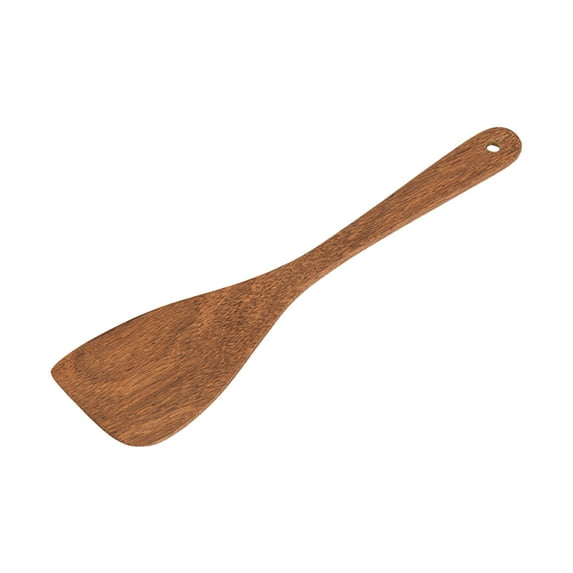
and use a wood spoon/spatula with a flat side like this
When you think its almost dark enough toss in the trinity and as it caramelizes the roux will become a bit darker.
Dark roux is good!


Posted on 12/6/25 at 1:50 am to jrbjr
quote:
I’m traditional. I didn’t measure but heated about a half cup of vegetable oil
Uhmmmm.......that ain't traditional.

Posted on 12/6/25 at 6:58 am to jrbjr
Takes me between 30-45 minutes. Enough time for at least 2 drinks
Even at an hour, the roux is less time consuming for me than cutting all the veg, and sausage for a big pot of gumbo.
Even at an hour, the roux is less time consuming for me than cutting all the veg, and sausage for a big pot of gumbo.
Posted on 12/6/25 at 9:54 am to jrbjr
You can speed up the heat in the early stages. I never spend that long of time on a roux. I do peanut butter in 12 minutes, old penny in 16 and dark chocolate in 25 or less. Every time. Only time to take it easy and be cautious is after that old penny stage.


Posted on 12/6/25 at 12:40 pm to jrbjr
quote:
My question is: Is there an easier or quicker way to make a good, dark roux?
My wife (no pics) said she grew up with the Lafleur’s so it’s okay to buy Kary’s roux. Other than that, it’s oil, flour and stir.
Never heard of a microwave roux.
Posted on 12/6/25 at 1:49 pm to Suntiger
quote:
so it’s okay to buy Kary’s roux.
Some people like to waste time so they can say they did it

Posted on 12/6/25 at 3:17 pm to jrbjr
I turn the heat up to medium high. Set a timer for 15 minutes. Before the timer goes off I’m done and it’s a very dark roux.

Posted on 12/6/25 at 5:21 pm to jrbjr
Oven roux is the tits.
Rather than labor over stirring, do the rest of your veggie prep work while the oven does its thing, stirring it at 15-20 minute intervals until it’s dark enough.
The total time is reduced since you’re doing 2 things at once.
Rather than labor over stirring, do the rest of your veggie prep work while the oven does its thing, stirring it at 15-20 minute intervals until it’s dark enough.
The total time is reduced since you’re doing 2 things at once.
Posted on 12/7/25 at 12:23 am to LSUballs
So you don’t stir it at all while it’s in the oven?

 Page 1 of 2

Popular
Back to top
 Follow TigerDroppings for LSU Football News