




- My Forums
- Tiger Rant
- LSU Recruiting
- SEC Rant
- Saints Talk
- Pelicans Talk
- More Sports Board
- Fantasy Sports
- Golf Board
- Soccer Board
- O-T Lounge
- Tech Board
- Home/Garden Board
- Outdoor Board
- Health/Fitness Board
- Movie/TV Board
- Book Board
- Music Board
- Political Talk
- Money Talk
- Fark Board
- Gaming Board
- Travel Board
- Food/Drink Board
- Ticket Exchange
- TD Help Board
Customize My Forums- View All Forums
- Show Left Links
- Topic Sort Options
- Trending Topics
- Recent Topics
- Active Topics
Started By
Message
embracing lawn ornaments for a biodiverse and healthy lawn without chemicals
Posted on 4/14/26 at 5:43 pm

Posted on 4/14/26 at 5:43 pm

this very excellent series of articles from UF showcases native lawn plants that too many people spend hundreds of hours and dollars to try and eradicate, ignoring the fact that this effort to “solve” a problem specifically makes everything worse. Worse for the lawn, worse for biodiversity, worse for the environment and worse for the wallet.
If you are even remotely open minded about this, the articles are an easy read with tons of good information on several different common natives that appear in lawns, and their benefits.
LINK
quote:
Benefits of a Mixed, Biodiverse Lawn Less Maintenance: Mixed biodiverse lawns require significantly less maintenance than traditional turfgrass lawns. You’ll spend less time mowing and dealing with common lawn problems.
Reduced Chemical Use: With a diverse mix of plants instead of a monoculture, your lawn will be more resilient to pests and diseases, reducing the need for herbicides, pesticides, and fungicides. Additionally, you can skip synthetic fertilizers by relying on natural processes like nutrient cycling with a nitrogen fixing groundcover like perennial peanut or sunshine mimosa.
Water Conservation: If you select the right plants for the right places in a biodiverse lawn you will require less water than a traditional St. Augustine lawn. This can lead to significant water savings.
Ecological Benefits: Biodiverse lawns support a wide range of wildlife, from pollinators like bees and butterflies to birds and beneficial insects. This contributes to local biodiversity and helps create healthier urban ecosystems.
Improved Soil Health: By diversifying your lawn, you enhance soil health, reduce erosion, and increase nutrient cycling, which benefits not only your lawn but the surrounding environment as well.
Enhanced Aesthetics: Biodiverse lawns offer a unique and dynamic visual appeal, changing with the seasons as different plants bloom and thrive. It will be a living tapestry of color. An increasing number of homeowners find these lawns more attractive than the uniform bland look of traditional turfgrass lawns.
I found this today after I noticed a patch of manyflower pennywort (you know it as dollar weed) was blooming, and the blooms are covered in bees. Covered.
did you know dollar weed flowered at all? And it’s edible? And it has a centuries long history of medicinal use?
Pennywort
anyway, enjoyable read and good information.
 11
11


Posted on 4/14/26 at 6:45 pm to cgrand
quote:
embracing lawn ornaments
Thought this was going to be a thread about gnomes


Posted on 4/14/26 at 7:18 pm to cgrand
I’m traveling this week but will dive into it next week. We try to let things go to seed in the spring before mowing when possible, but it’s just not possible for us everywhere.


Posted on 4/14/26 at 7:21 pm to cgrand
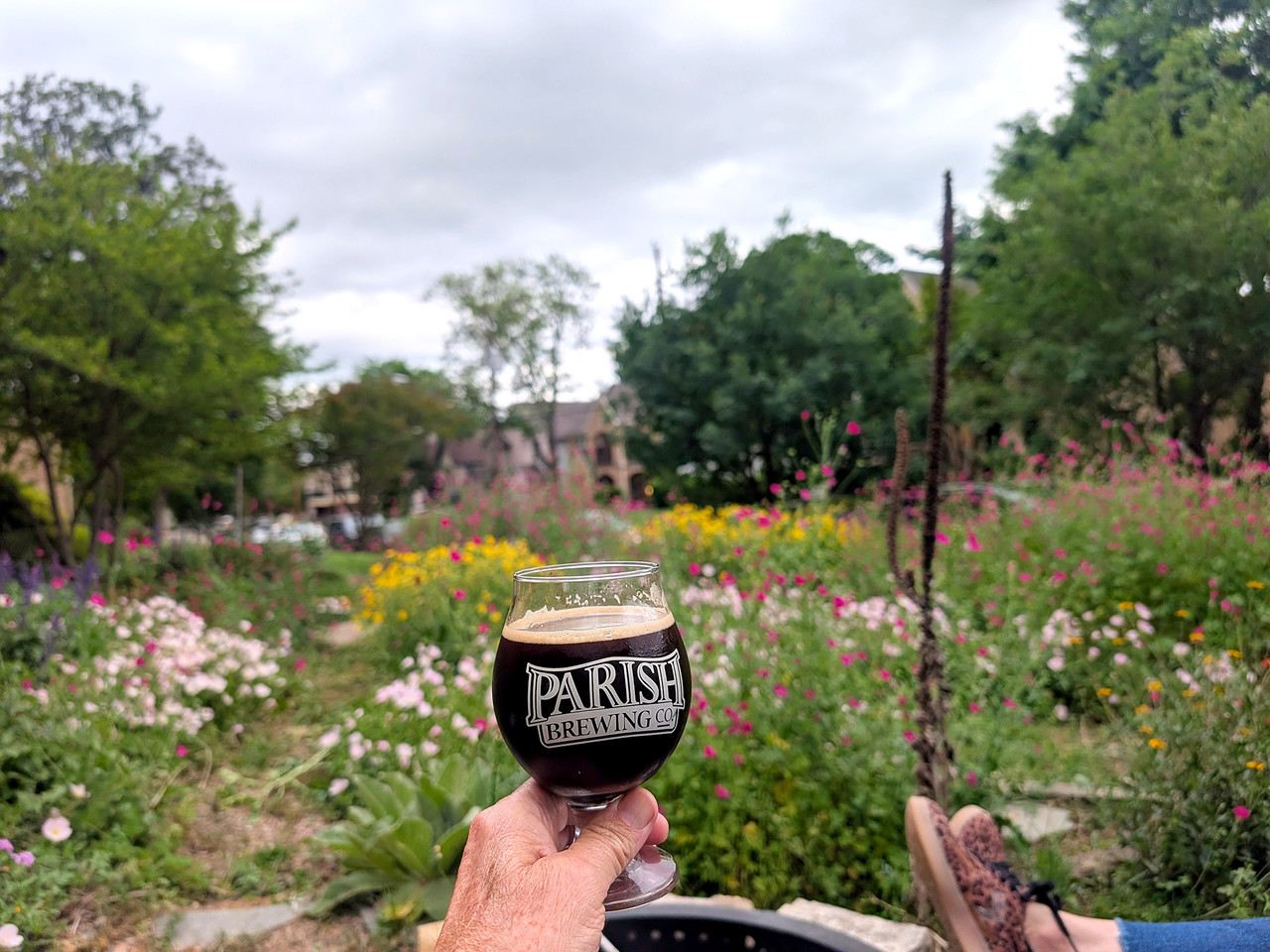
I've never heard native plants referred to as lawn ornaments and I'm an LA. But my yard is all native. Here's a Pic from a few days ago
Posted on 4/14/26 at 7:33 pm to Zappas Stache
frick yeah that’s awesome.
most people can’t/wont do that but…simply not mowing until late April/early may (or picking areas to not mow at all) stopping fertilizer and herbicides, and possibly some minor overseeding (clover, asters, etc) would result in drastic improvements
most people can’t/wont do that but…simply not mowing until late April/early may (or picking areas to not mow at all) stopping fertilizer and herbicides, and possibly some minor overseeding (clover, asters, etc) would result in drastic improvements
Posted on 4/14/26 at 8:17 pm to cgrand
quote:
simply not mowing until late April/early may
I tried that this year. first of April I couldn't stand it anymore and had to cut. Tired of not being able to see where I was walking and also getting my shoes wet with dew. I did think about halfway through my cut that I could've just mowed walking paths. Maybe next year.
Posted on 4/15/26 at 8:00 am to cgrand
How do you deal with critter control with this type of yard. My area has had a problem with copper heads and rattle snakes. I keep my property mowed down to keep rodents, snakes and other critters at bay. My surrounding neighbors have heavily treed properties and I've seen one singular good snake since I've lived here. We have a good number of roadrunners running around that help. I've seen very few rodents in the 4 years I've been there and like I said only one racer snake.
ETA, I do have a 3/4 acre area around my house that I keep up with nice zoysia but I haven't really spent much money on fertilizer and I'm on a well so water cost is immaterial. I will probably put some nitrogen down in the near future because it's been a couple of years since I've done that.
ETA, I do have a 3/4 acre area around my house that I keep up with nice zoysia but I haven't really spent much money on fertilizer and I'm on a well so water cost is immaterial. I will probably put some nitrogen down in the near future because it's been a couple of years since I've done that.
This post was edited on 4/15/26 at 8:02 am
Posted on 4/15/26 at 8:20 am to cgrand
I'm choppin that sh!t like the 2018 Saints. Droppin that deck loooowwww
Posted on 4/15/26 at 8:26 am to WhiskeyThrottle
re: critters
we have many. But I do have two dogs that take their jobs seriously so fewer critters than I probably would otherwise.
Rabbits eat the clover pretty regularly. Don’t see any small rodents the hawks and owls I think take care of that. Snakes aplenty but mostly the good kinds; we do have an occasional copperhead issue especially during cicada hatches but we’d have those anyway and they mostly only come out at night, and only a few times a year. I saw a LA pine snake the other day just as an example, first one in 20 years. Extremely rare and in danger of extinction but there he was on my little patch of the world.
The vast majority of ground animals are frogs, toads, lizards, skinks and other insectivores…and it’s the insects you are actually trying to attract and cultivate as they are the basis of the multicellular food chain. More insects = more birds, more small predators, better decomposition, balanced ecosystem, healthier property.
I do mow the bahaia, no real choice there it would be waist high if I didn’t. But I’m steady working on everything else, and the trees I’ve planted are doing their part to shade a lot of the grass out.
hardest thing to do is just to start. Decide to stop chemically managing your monoculture and start encouraging and cooperating with nature. It’s liberating
we have many. But I do have two dogs that take their jobs seriously so fewer critters than I probably would otherwise.
Rabbits eat the clover pretty regularly. Don’t see any small rodents the hawks and owls I think take care of that. Snakes aplenty but mostly the good kinds; we do have an occasional copperhead issue especially during cicada hatches but we’d have those anyway and they mostly only come out at night, and only a few times a year. I saw a LA pine snake the other day just as an example, first one in 20 years. Extremely rare and in danger of extinction but there he was on my little patch of the world.
The vast majority of ground animals are frogs, toads, lizards, skinks and other insectivores…and it’s the insects you are actually trying to attract and cultivate as they are the basis of the multicellular food chain. More insects = more birds, more small predators, better decomposition, balanced ecosystem, healthier property.
I do mow the bahaia, no real choice there it would be waist high if I didn’t. But I’m steady working on everything else, and the trees I’ve planted are doing their part to shade a lot of the grass out.
hardest thing to do is just to start. Decide to stop chemically managing your monoculture and start encouraging and cooperating with nature. It’s liberating

Posted on 4/15/26 at 8:57 am to cgrand
Interesting.
I live in Metairie, and was thinking of doing something with my back yard - around 1800 square feet - other than a large swath of grass.
I googled "Louisiana Native Lawn Plants" and this is what the AI came up with:
I should add that I rarely put chemicals on my lawn and I never water it. The grass grows like crazy just leaving it alone, and the dollar weeds and such really don't bother me. I'm not looking to be like Hank Hill with my lawn.
I live in Metairie, and was thinking of doing something with my back yard - around 1800 square feet - other than a large swath of grass.
I googled "Louisiana Native Lawn Plants" and this is what the AI came up with:
quote:
Native Ground Covers & Lawn Alternatives
Frogfruit (Phyla nodiflora): A tough, walkable ground cover that supports pollinators.
Sunshine Mimosa (Mimosa strigulosa): A fast-spreading ground cover with pink, powder-puff blooms.
Blue-eyed Grass (Sisyrinchium angustifolium): A grass-like perennial with small blue flowers, ideal for sun or partial shade.
Native Grasses for Louisiana Landscapes
Big Bluestem (Andropogon gerardii): Extremely easy-care grass that handles both droughts and periodic flooding.
Switchgrass (Panicum virgatum): Thrives in sun or part shade, providing structure.
Indian Grass (Sorghastrum nutans): Attractive, tall grass that supports wildlife.
Texas Bluegrass (Poa arachnifera): Ideal for moist, sunny-to-partly-shaded areas.
Flowering Perennials for Lawns
Black-eyed Susan (Rudbeckia hirta): Highly adaptable and attracts pollinators.
Louisiana Iris (Iris spp.): Thrives in moist areas.
Salvia (various native species): Excellent for attracting pollinators and heat tolerance.
Phlox (Phlox pilosa): Adds spring color.
Shrubs for Landscaping
American Beautyberry (Callicarpa americana): Known for its vibrant purple berries.
Virginia Willow (Itea virginica): A great shrub for moist area
I should add that I rarely put chemicals on my lawn and I never water it. The grass grows like crazy just leaving it alone, and the dollar weeds and such really don't bother me. I'm not looking to be like Hank Hill with my lawn.


Posted on 4/15/26 at 9:12 am to cgrand
I'll be researching this extensively next year as we are moving to 30 acres, with roughly 5 acres being maintained.
I really don't want to maintain 5 acres, so I would love to plant native wildflowers and other lawn plants for the vast majority of this area
I'll probably still maintain the area immediately around the house, but the rest I really want to be low maintenance while still looking nice
I really don't want to maintain 5 acres, so I would love to plant native wildflowers and other lawn plants for the vast majority of this area
I'll probably still maintain the area immediately around the house, but the rest I really want to be low maintenance while still looking nice
Posted on 4/15/26 at 9:14 am to boxcarbarney
right on
You can seeds for all those grasses and flowers here LINK
Re the shrubs both of those are great. I got a VA willow at the LSUAg plant sale last year and it’s doing great, blooming now. And on the beautyberry, 100% on board. I’ve been digging up seedlings out of the wooded and no-mow areas all spring and planting them everywhere I have a spot. The birds eat the berries and drop the seed and they sprout readily but it’s not an invasive…just free plants. If you want a few seedlings I can pot some up for you they grow fast and play well with others
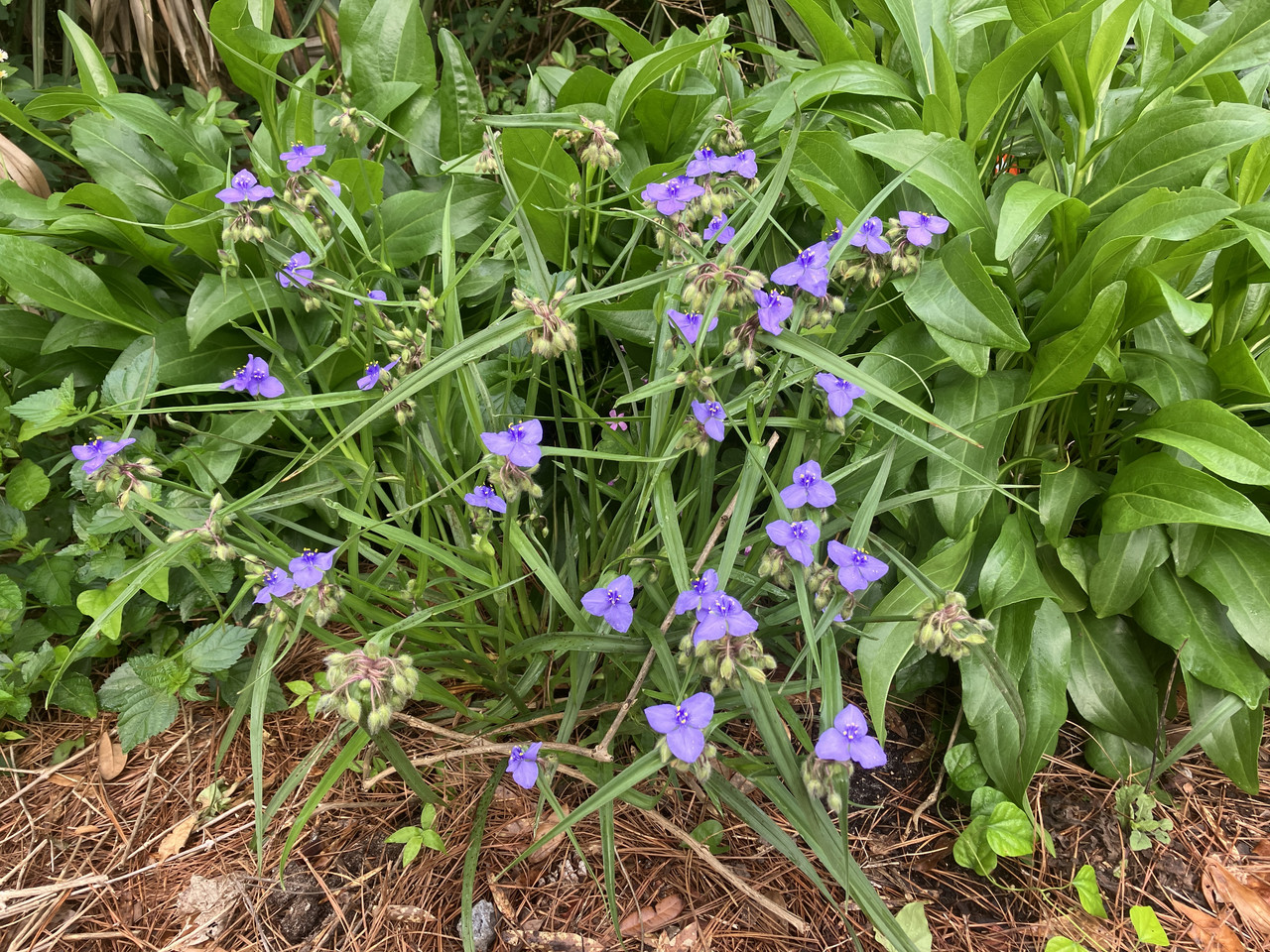
One other that I’m sure you’ve seen and maybe not given a second thought to is Ohio spiderwort…it’s the dark green grassy looking perennial that’s blooming now with small blue flowers at the top of flower spikes. You can dig it up and plant it anywhere and it will self seed. You can also divide clumps. Bees love it, completely care free, and will grow in full sun to full shade, and it looks fantastic plugged into a lawn area you don’t mow
You can seeds for all those grasses and flowers here LINK
Re the shrubs both of those are great. I got a VA willow at the LSUAg plant sale last year and it’s doing great, blooming now. And on the beautyberry, 100% on board. I’ve been digging up seedlings out of the wooded and no-mow areas all spring and planting them everywhere I have a spot. The birds eat the berries and drop the seed and they sprout readily but it’s not an invasive…just free plants. If you want a few seedlings I can pot some up for you they grow fast and play well with others
One other that I’m sure you’ve seen and maybe not given a second thought to is Ohio spiderwort…it’s the dark green grassy looking perennial that’s blooming now with small blue flowers at the top of flower spikes. You can dig it up and plant it anywhere and it will self seed. You can also divide clumps. Bees love it, completely care free, and will grow in full sun to full shade, and it looks fantastic plugged into a lawn area you don’t mow
Posted on 4/15/26 at 9:23 am to cgrand
Thanks for the info. I may take you up on the free plants once I get moving on the backyard.
Its something I thought about for a while, but I need to get to planning it first.
My goal is to eliminate grass back there. Have a walking path, probably gravel, flanked by garden beds.
A fish pond will likely be added too.
Its a matter of planning and pricing out at this stage.
I imagine using native plants would probably be cheaper than garden center type plants.
Any suggestions on native ornametal trees that do not grow too high?
Its something I thought about for a while, but I need to get to planning it first.
My goal is to eliminate grass back there. Have a walking path, probably gravel, flanked by garden beds.
A fish pond will likely be added too.
Its a matter of planning and pricing out at this stage.
I imagine using native plants would probably be cheaper than garden center type plants.
Any suggestions on native ornametal trees that do not grow too high?
Posted on 4/15/26 at 9:36 am to boxcarbarney
quote:without question. One thing you should know though, when you go about trying to establish native perennials by seed, remember the three year rule (sleep, creep, leap). It will look like shite for the first year and you’ll be watering, a lot, and wondering what the frick you are doing I thought I wasn’t going to have to work at this and where are my flowers? Once established you’ll never have to work at it again.
imagine using native plants would probably be cheaper than garden center type plants.
on small trees… mayhaw and other hawthorns, sweet bay magnolia, redbud, fringe tree, red buckeye, sumac and many more. LSUAg is a great resource
Posted on 4/15/26 at 10:19 am to cgrand
and…if you cultivate natives you are going to get some other natives that you don’t want. We call those weeds, and some of them are noxious. Dewberry, trumpet vine, some goldenrods, chamberbitter, Virginia creeper, ragweed, etc.
Most often people reach for either a pre emergent (which is death for your reseeding annuals and perennials) or a post emergent (non selective usually)
Here is a far more effective solution
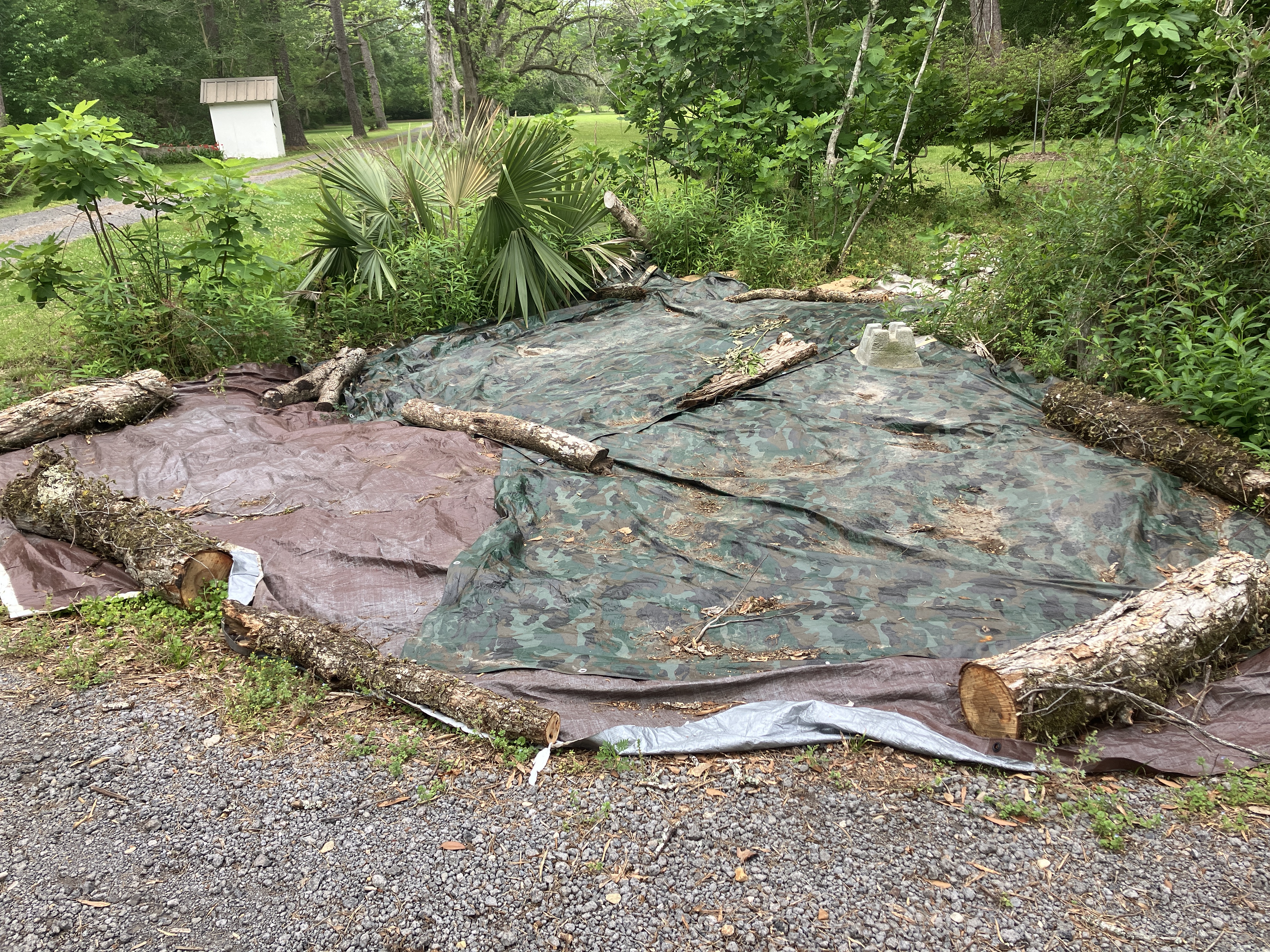
looks like shite? Yes
it looked worse when it was overgrown with dewberry and elderberry. This winter though I’ll be able to dig any vines left, get transplants and seeds back in there and spot treat with vinegar or (and this is key) selectively apply herbicide only to the most troublesome vine shoots, using a paintbrush and/or a container I can stick the vine into
Most often people reach for either a pre emergent (which is death for your reseeding annuals and perennials) or a post emergent (non selective usually)
Here is a far more effective solution
looks like shite? Yes
it looked worse when it was overgrown with dewberry and elderberry. This winter though I’ll be able to dig any vines left, get transplants and seeds back in there and spot treat with vinegar or (and this is key) selectively apply herbicide only to the most troublesome vine shoots, using a paintbrush and/or a container I can stick the vine into
This post was edited on 4/15/26 at 10:23 am
Posted on 4/15/26 at 10:37 am to cgrand
Appreciate it.
Posted on 4/15/26 at 11:11 am to cgrand
I like this movement, but it can be difficult to find much native species at your local nursery. I found this site when looking around. Might be a little drive from your area, but check it out. All native species, some trees, some shrub and some herbaceous.
Greaux Native
Greaux Native

Posted on 4/15/26 at 1:48 pm to cgrand
I use louisiananativeseed
They have a good bit of natives. Use the wildflower cover when planting so you have some beauty quickly while the natives start growing.
They have a good bit of natives. Use the wildflower cover when planting so you have some beauty quickly while the natives start growing.
Posted on 4/15/26 at 2:04 pm to trident
I’ve used that also. The bag I got was full of ragweed though…I told them about it they said it was unavoidable with the way they harvest seed and I get it, but 4 years later I’m still pulling up ragweed. I will admit that I let it go to seed because I didn’t know what it was, but something to keep in mind. Now that I know what it looks like I’ll probably get another bag, it’s ideal for large spaces
The patch I sowed with it was amazing otherwise
The patch I sowed with it was amazing otherwise
Posted on 4/15/26 at 2:25 pm to cgrand
i found out dollar weed was edible a few years ago when researching why i had so much of it. turns out its a drainage issue, but i did eat some. almost has a hint of cucumber but mostly earthly.

 Page 1 of 2

Popular
Back to top
 Follow TigerDroppings for LSU Football News