




- My Forums
- Tiger Rant
- LSU Recruiting
- SEC Rant
- Saints Talk
- Pelicans Talk
- More Sports Board
- Fantasy Sports
- Golf Board
- Soccer Board
- O-T Lounge
- Tech Board
- Home/Garden Board
- Outdoor Board
- Health/Fitness Board
- Movie/TV Board
- Book Board
- Music Board
- Political Talk
- Money Talk
- Fark Board
- Gaming Board
- Travel Board
- Food/Drink Board
- Ticket Exchange
- TD Help Board
Customize My Forums- View All Forums
- Show Left Links
- Topic Sort Options
- Trending Topics
- Recent Topics
- Active Topics
Started By
Message
re: How I Made Hot Dogs
Posted on 9/7/22 at 3:03 pm to Y.A. Tittle

Posted on 9/7/22 at 3:03 pm to Y.A. Tittle
Got it from a processor in Texas when I helped them develop a new product.
 0
0


Posted on 9/7/22 at 3:30 pm to SixthAndBarone
Can you do a separate thread about how you cleaned the machine/tools/preperation surfaces?
With your meat packing/butchering experience, I think that would be really helpful to the group.
Thanks!
With your meat packing/butchering experience, I think that would be really helpful to the group.
Thanks!
Posted on 9/7/22 at 3:49 pm to KosmoCramer
More than happy to talk food safety. If more want a thread, I can make one.
Until then…to sanitize food contact surfaces (where food is going to touch), you use 1 tablespoon of bleach in 1 gallon of water. You can wipe a table with that and then put food on the table.
In practicality, I use 409 or whatever bleach spray we buy to sanitize at home. I always give everything a water rinse after spraying with store brands.
A good tip: always use a rough sponge or cleaning pad to scrub surfaces. Bacteria can build up a biofilm and using the pad breaks up that barrier and allows the chemicals to penetrate. Make sure you do this to your sink every so often.
Another tip: if using machines and equipment, don’t overlook cracks and books and little places.
In the processing world, you have food contact surfaces and environmental surfaces. You use Clorox bleach, quanternary ammonia, or iodine to clean the environmental surfaces (where food does not touch). I say Clorox because Clorox was the only brand the USDA recognized since the study on its effectiveness specifically said Clorox. Not sure if they ever changed that or not. Bacteria can build up resistance to one chemical so a couple times a year, a processor should go a week using one of the other chemicals and then go back to using the regular chemical.
Until then…to sanitize food contact surfaces (where food is going to touch), you use 1 tablespoon of bleach in 1 gallon of water. You can wipe a table with that and then put food on the table.
In practicality, I use 409 or whatever bleach spray we buy to sanitize at home. I always give everything a water rinse after spraying with store brands.
A good tip: always use a rough sponge or cleaning pad to scrub surfaces. Bacteria can build up a biofilm and using the pad breaks up that barrier and allows the chemicals to penetrate. Make sure you do this to your sink every so often.
Another tip: if using machines and equipment, don’t overlook cracks and books and little places.
In the processing world, you have food contact surfaces and environmental surfaces. You use Clorox bleach, quanternary ammonia, or iodine to clean the environmental surfaces (where food does not touch). I say Clorox because Clorox was the only brand the USDA recognized since the study on its effectiveness specifically said Clorox. Not sure if they ever changed that or not. Bacteria can build up resistance to one chemical so a couple times a year, a processor should go a week using one of the other chemicals and then go back to using the regular chemical.
This post was edited on 9/7/22 at 3:51 pm


Posted on 9/7/22 at 5:08 pm to KosmoCramer
quote:
to sanitize food contact surfaces (where food is going to touch), you use 1 tablespoon of bleach in 1 gallon of water. You can wipe a table with that and then put food on the table.
This is not a best practice due to the highly corrosive nature of chlorine solutions. They should not be used on surfaces that are prone to rust.
Also, the Federal regulation that permits the use of bleach sanitizers on food processing equipment and food contact surfaces does so with the following caveat, that equipment or surfaces sanitized with the solution must be allowed to dry adequately before contact with food.
So you can't just "wipe a table with that and then put food on the table" as suggested.
Posted on 9/7/22 at 5:41 pm to BigDropper
Well of course, you should let it dry, my point I was trying to make was that you don’t need to rinse it with water after sanitizing.
But which regulation says drying? That could be something I need to look into for a few food safety programs I implement.
Are you referencing 21 CFR 178.1010 ? If so, it says “adequate draining”.
21 CFR 110.35 states for low moisture foods, surfaces must be dry but no mention of drying in wet processed foods.
Of course, 21 CFR is for the FDA and meat plants are under 9 CFR with the USDA as the FDA does not regulate meat plants. However, the USDA does accept 21 CFR 178.1010 for sanitizers.
Which sanitizing solution do you recommend? Can you share the best practices?
But which regulation says drying? That could be something I need to look into for a few food safety programs I implement.
Are you referencing 21 CFR 178.1010 ? If so, it says “adequate draining”.
21 CFR 110.35 states for low moisture foods, surfaces must be dry but no mention of drying in wet processed foods.
Of course, 21 CFR is for the FDA and meat plants are under 9 CFR with the USDA as the FDA does not regulate meat plants. However, the USDA does accept 21 CFR 178.1010 for sanitizers.
quote:
This is not a best practice due to the highly corrosive nature of chlorine solutions. They should not be used on surfaces that are prone to rust.
Which sanitizing solution do you recommend? Can you share the best practices?
This post was edited on 9/7/22 at 5:43 pm
Posted on 9/7/22 at 7:08 pm to SixthAndBarone
quote:
Are you referencing 21 CFR 178.1010 ? If so, it says “adequate draining”.
Yep, that's the one. Guess I misremembered. My addled brain had "drying" in its long term memory store. Guess I should have looked it up.
quote:
Which sanitizing solution do you recommend? Can you share the best practices?
What do the meat processing facilities that you work in use?
Best practice is heat combined with sanitizer rotation (to prevent bioresistance). Rotating sanitizers ensures that harmful bacteria do not build up resistance to your disinfectant. Heat is a cheap, economical, and ecological way to sanitize equipment. Couple that with a good sanitizer and a germicidal detergent and you can pretty much live worry free.
I prefer combining these two methods to ensure equipment is properly cleaned, sanitized, and sterilized. Quaternary ammonia and germicidal detergents are non-corrosive and a good 1-2 punch for eliminating bacteria. Rotate their use every 2 days to prevent antimicrobial resistance.


Posted on 9/7/22 at 9:40 pm to SixthAndBarone
Question about the emulsifier. What is going on behind the curtain? What's it doing in there?
Posted on 9/7/22 at 10:38 pm to TigerFanatic99
Looks good…but whole lot of work….
Posted on 9/8/22 at 5:55 am to TigerFanatic99
There are 2 blades behind the cover. The bowl spins around, moving the meat in a circle. The blades spin and “chop” everything that comes by.


Posted on 9/8/22 at 12:23 pm to SixthAndBarone
quote:bring the gay talk to the soccer board.
More than happy to talk about meat processing any time.


Posted on 9/9/22 at 11:36 am to BigDropper
quote:
This is not a best practice due to the highly corrosive nature of chlorine solutions. They should not be used on surfaces that are prone to rust.
Also, the Federal regulation that permits the use of bleach sanitizers on food processing equipment and food contact surfaces does so with the following caveat, that equipment or surfaces sanitized with the solution must be allowed to dry adequately before contact with food.
So you can't just "wipe a table with that and then put food on the table" as suggested.
In a commercial operation, sure. But for the food board where someone is making sausage a handful of times a year or cleaning a deer a handful of times a year those measures are perfectly fine as long as you aren't super lazy.
Very interesting OP. I'm assuming you smoked them to make them last and for flavor? What do the commercial operations do as they don't look "cooked"? Just boil them?


Posted on 9/9/22 at 11:48 am to SixthAndBarone
I would like to personally invite the Chinese, Commie fricks that are downvoting the hot dog post to the Sonic of their choosing for some knuckle checking and possible helicopter rides.
Well done OP.
Well done OP.
Posted on 9/9/22 at 11:53 am to baldona
quote:
But for the food board where someone is making sausage a handful of times a year....
That's why I suggest the 1 tablespoon of bleach in 1 gallon of water. Or just use a cleaner like a 409 or bleach spray from the store.
quote:
you smoked them to make them last and for flavor? What do the commercial operations do
Well, once you stuff them, you have to cook them somehow as hot dogs are a cooked product. The hot dogs you buy in the store a cooked, you're just heating them up or re-cooking them when you take them home. You can cook them any way you want but if you smoke them, you add smoke flavor.
I've honestly never seen a commercial processor cook actual hot dogs. I would say they use a smoke house with vaporized liquid smoke (more than likely a continuous conveyor cook system) or some type of water cooking method with added liquid smoke. Now I'm curious and want to look it up.
This post was edited on 9/9/22 at 11:59 am

Posted on 9/9/22 at 4:27 pm to SixthAndBarone
I may never eat hot dogs again after seeing this.
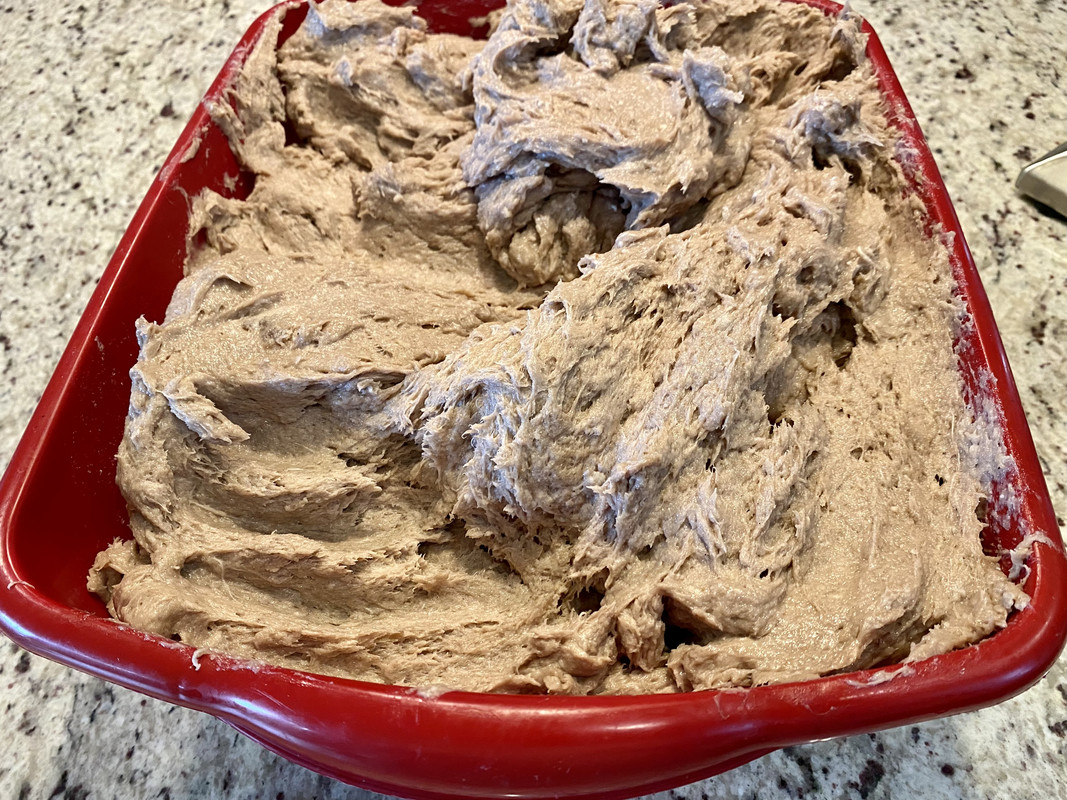
Posted on 9/9/22 at 4:55 pm to REB BEER
Hey, at least it’s not made from lips and assholes.

Posted on 9/9/22 at 8:37 pm to SixthAndBarone
quote:
or some type of water cooking method with added liquid smoke.
I’m guessing steam.
Posted on 9/9/22 at 9:10 pm to baldona
You can apply heat at home too, not just in a commercial operation. It's a cheap and effective way to sterilize equipment.
Posted on 9/9/22 at 11:01 pm to REB BEER
You don’t know shite about meat packing plants, do you?
Posted on 9/10/22 at 12:45 am to SixthAndBarone
quote:
Hey, at least it’s not made from lips and assholes.
Isn’t that the little cans of potty meat? Nothing against them because I’ve eaten my share of those sandwiches with mayo, just not now unless it’s necessary.
Posted on 9/10/22 at 9:07 am to gizmothepug
quote:
Isn’t that the little cans of potty meat?
Potty meat...

The truth of the matter is that USDA standards regulate that meat products containing "byproducts" include language in the label distinguishing so, such as "contains byproducts".
Some products will even list out specific byproducts such as Potted Meat which contains tripe as an ingredient.
The USDA standards for potted meat requires that the meat is comminuted (reduced to minute particles), semisolid products made from one or more kinds of raw skeletal muscle from livestock (like beef or pork), and may contain poultry meat. That include MSM (mechanically separated meat) from poultry.
MSM is the real potty meat.
This post was edited on 9/10/22 at 9:12 am

 Page 2 of 3

Popular
Back to top
 Follow TigerDroppings for LSU Football News