




- My Forums
- Tiger Rant
- LSU Recruiting
- SEC Rant
- Saints Talk
- Pelicans Talk
- More Sports Board
- Fantasy Sports
- Golf Board
- Soccer Board
- O-T Lounge
- Tech Board
- Home/Garden Board
- Outdoor Board
- Health/Fitness Board
- Movie/TV Board
- Book Board
- Music Board
- Political Talk
- Money Talk
- Fark Board
- Gaming Board
- Travel Board
- Food/Drink Board
- Ticket Exchange
- TD Help Board
Customize My Forums- View All Forums
- Show Left Links
- Topic Sort Options
- Trending Topics
- Recent Topics
- Active Topics
Started By
Message
re: embracing lawn ornaments for a biodiverse and healthy lawn without chemicals
Posted on 5/2/26 at 6:55 am to cgrand

Posted on 5/2/26 at 6:55 am to cgrand
Any tips for getting started on a decent sized area? I have a spot that’s currently being overrun with dewberries. Trying to convert it to a woodland feel. Should I just mow it down and start covering with cardboard/tarps until winter?
 1
1

Posted on 5/2/26 at 7:38 am to cgrand
I keep a small patch of “weeds” and whatever flowers that grow for a native garden in a small garden, a gift to pollinators. I’d love my back yard to be the same, but am afraid of snakes and rats taking up. Have never seen a snake on 25 years of living here, but I’m sure they are there somewhere. Get the occasional rat bc of the chicken coop down the road and an unkempt corner of bushes in the corner of my neighbor’s yard. My dogs hunt lizards and whatever else is crawling in the grass so definitely don’t want them finding a snake or rat. Our last run is dark out, we’d definitely not see the snake if one is there. I love the natural look, so much prettier and more beneficial than a boring mowed yard. Thanks for sharing.

Posted on 5/2/26 at 10:33 am to audioguy
quote:welcome to the club
I have a spot that’s currently being overrun with dewberries.
 . Dewberries are the bane of my existence. I’m working on another spot right now that’s infested.
 Right now is your chance. The ground is saturated and it’s the best time to get in there and start pulling. Dewberry will have a main root somewhere you just have to find it, I use a hori hori knife to poke around the base once I find it and usually you’ll get a pull with most of the root. Once you get as much as you can, put down a thick layer of cardboard, wet it good then tarp it until the fall. Remove the tarp, leave the cardboard and cover with soil and/or leaves and mulch. Wet that good and leave it until spring. When stuff starts sprouting in the spring, put some 30% vinegar with dawn soap in a spray bottle and treat anything that looks suspicious before the major new growth begins. It’s a process but you can get rid of it. If your areas are like mine you’ll also have Virginia creeper, trumpet vine, elderberry etc. you won’t ever get rid of it entirely but you will find that once you get a handle on an area it’s much easier to inspect and maintain
Here’s the spot in progress. 2nd pic is where I started pulling this morning
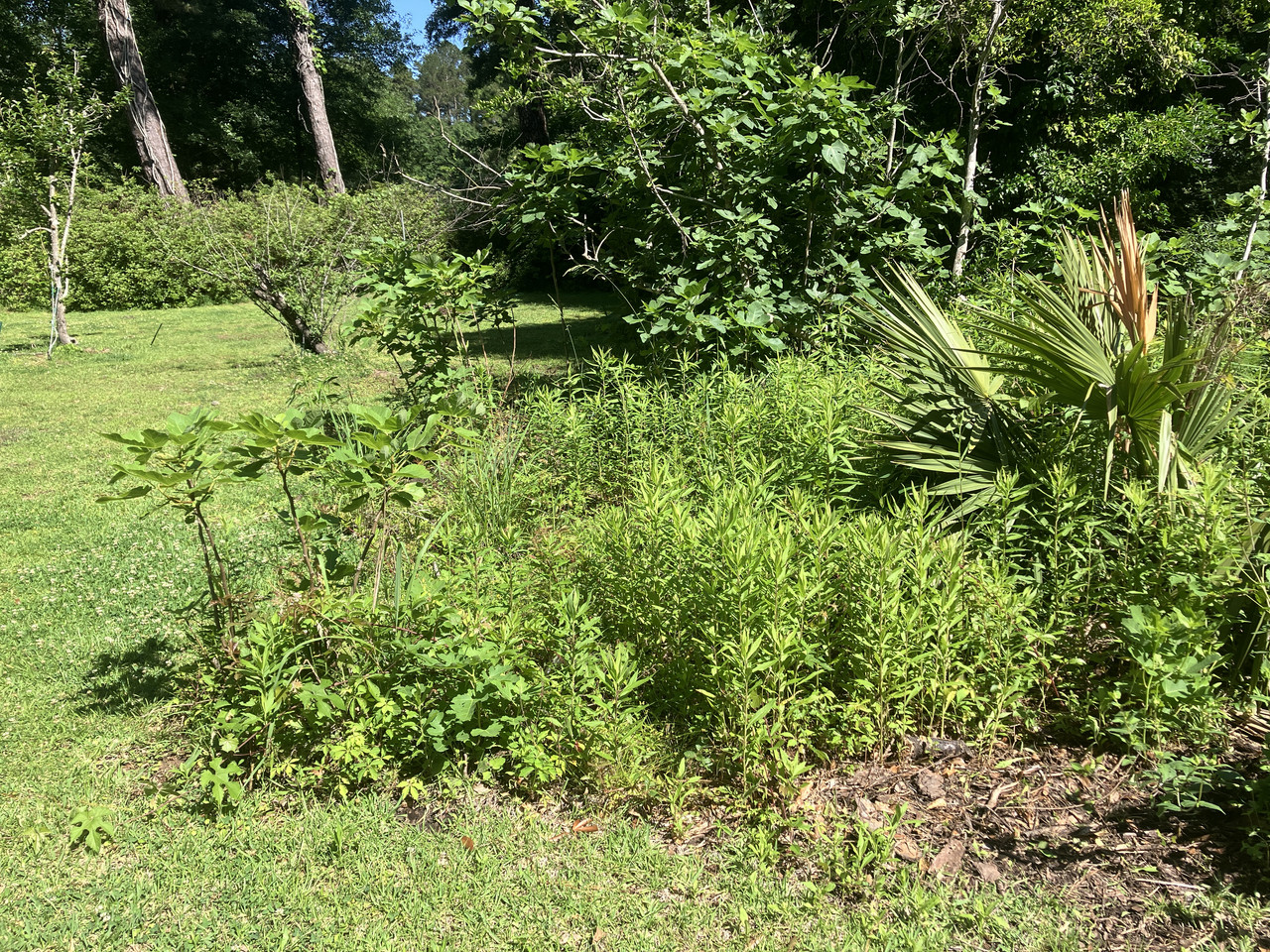
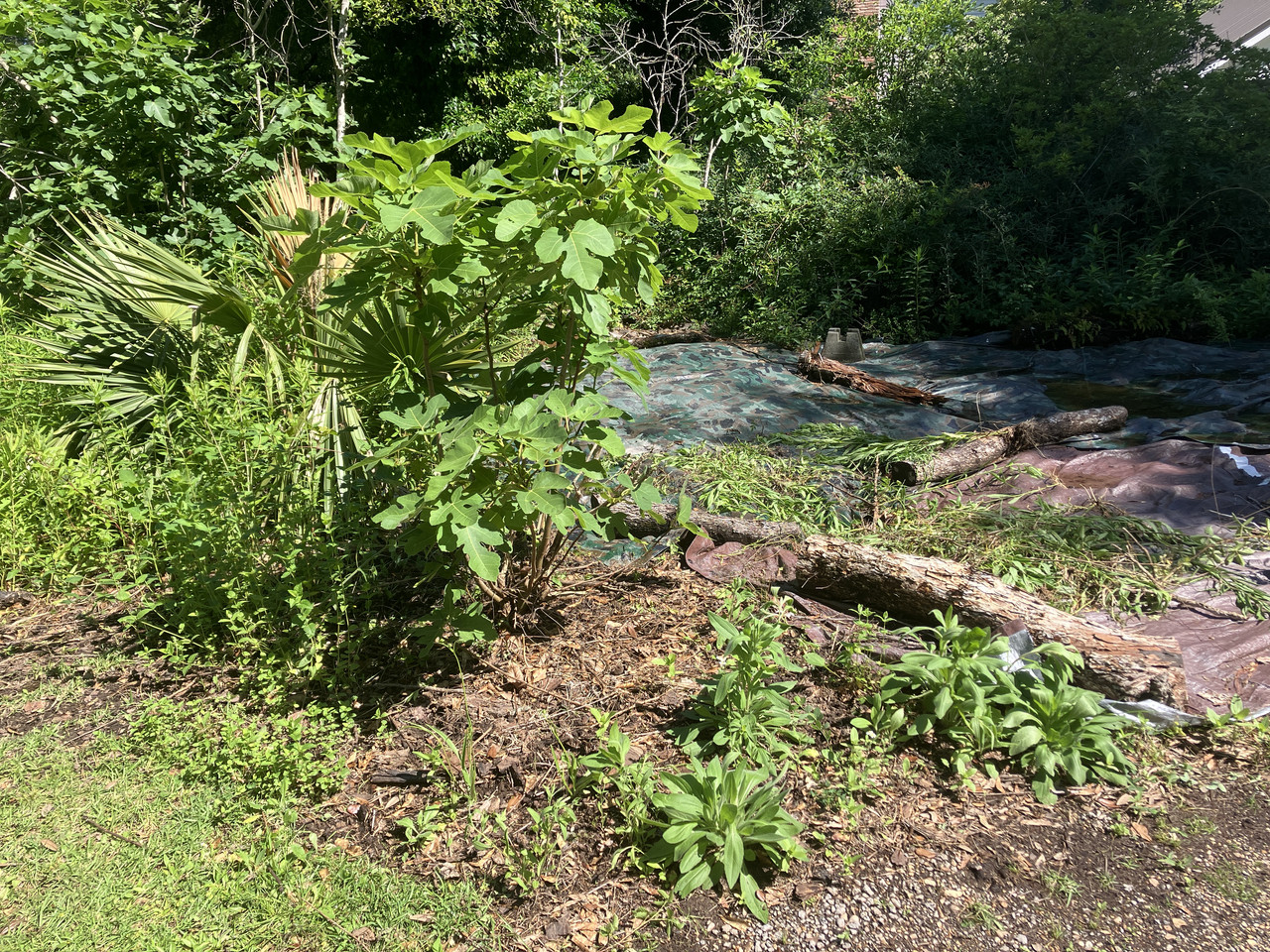
Most woody vines can be smothered only a few of them can survive the solarization under the tarp
Posted on 5/2/26 at 11:10 am to cgrand
My biggest concern is that it’s under a tree canopy, so dappled light at best. Hopefully the tarping is just as effective.
My property is bordered on two sides by a drainage canal type thing. I leave that strip wild and have plenty of dewberries, elderberry, buttonbush, etc. I actually enjoy the elderberry and make a couple batches of syrup when they come in. I do have one section that’s getting overrun by bush killer. I’m going as nuclear as I’m willing to go there by spraying triclopyr as selectively as possible to get it under control then I’ll go with manual removal and a paint brush. That stuff is a menace.
My property is bordered on two sides by a drainage canal type thing. I leave that strip wild and have plenty of dewberries, elderberry, buttonbush, etc. I actually enjoy the elderberry and make a couple batches of syrup when they come in. I do have one section that’s getting overrun by bush killer. I’m going as nuclear as I’m willing to go there by spraying triclopyr as selectively as possible to get it under control then I’ll go with manual removal and a paint brush. That stuff is a menace.
Posted on 5/2/26 at 11:20 am to audioguy
yes it is. I have it all up in the ditch bank behind me, nothing much you can do with it unfortunately. triclopyr does work but it takes multiple tries. Best thing to do is mix it heavy in a 5 gallon bucket and stuff a couple of the vines down into the liquid and leave it a few days
Posted on 5/2/26 at 11:47 am to cgrand
Good idea on the bucket. It’s starting to pop up around some of my fruit tree areas so I need to get a grip on it before that becomes a problem.
Posted on 5/2/26 at 1:51 pm to cgrand
not bad for a morning. Cant stress enough how much easier and effective doing this is after a soaking rain
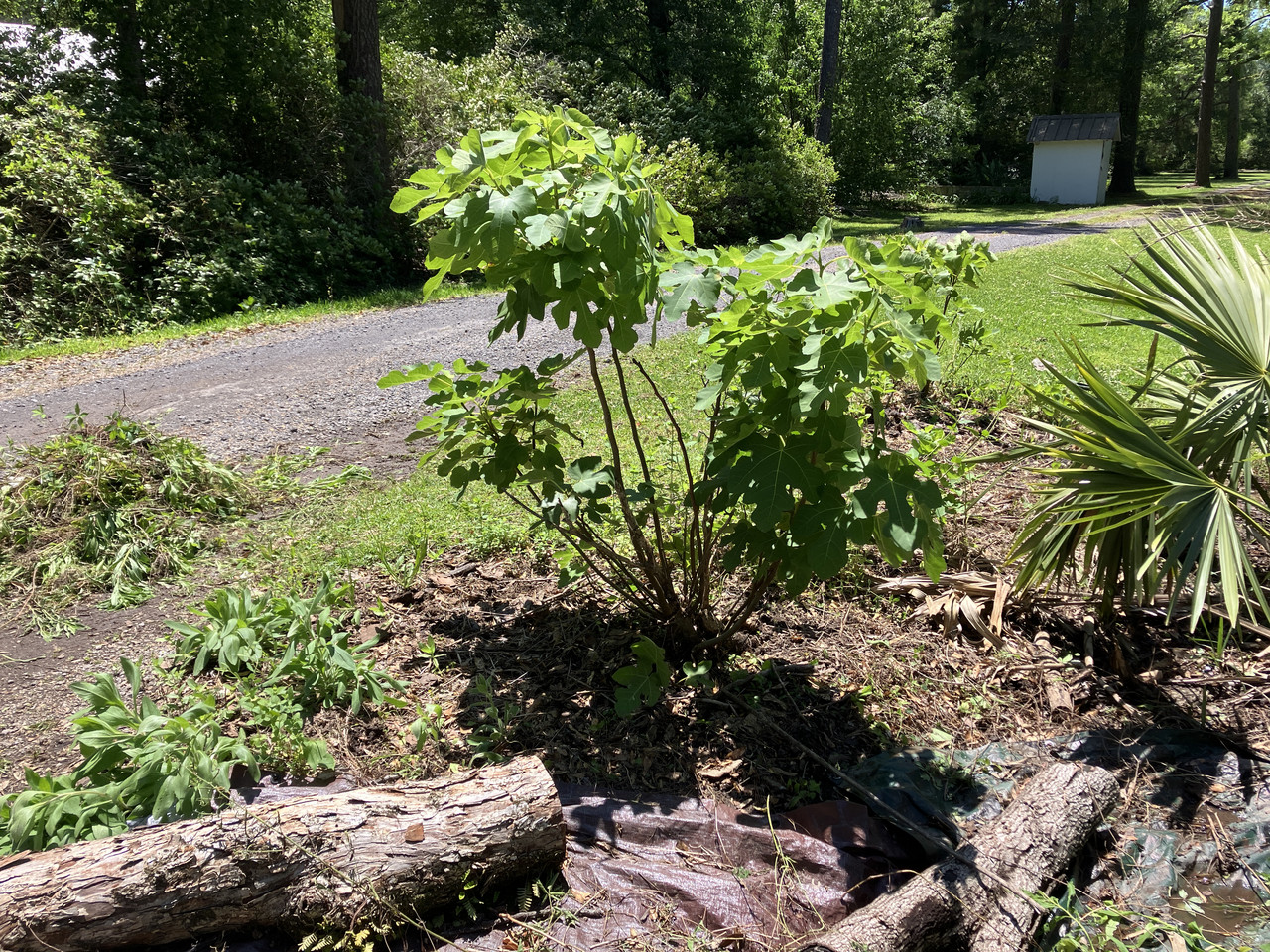
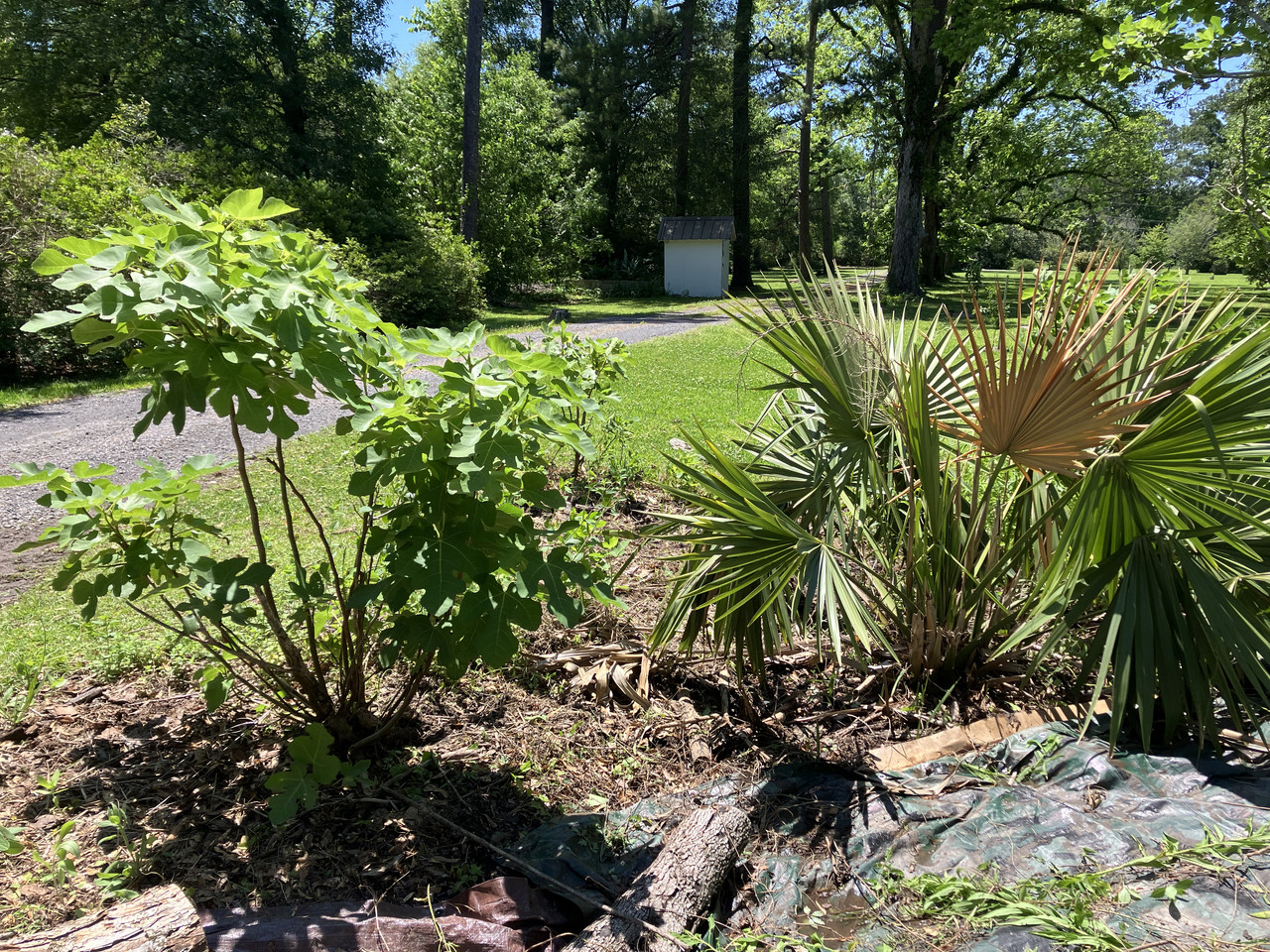
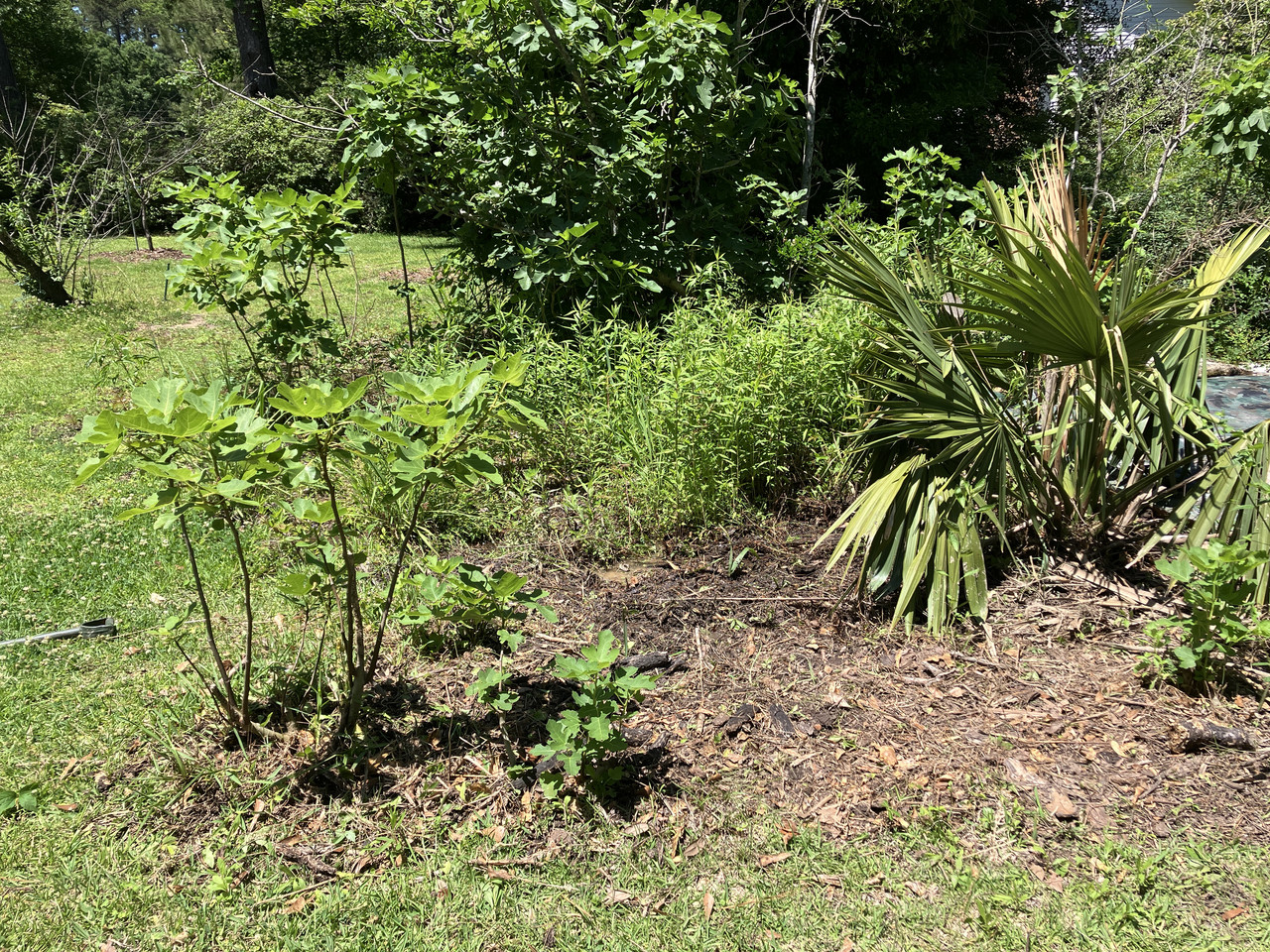
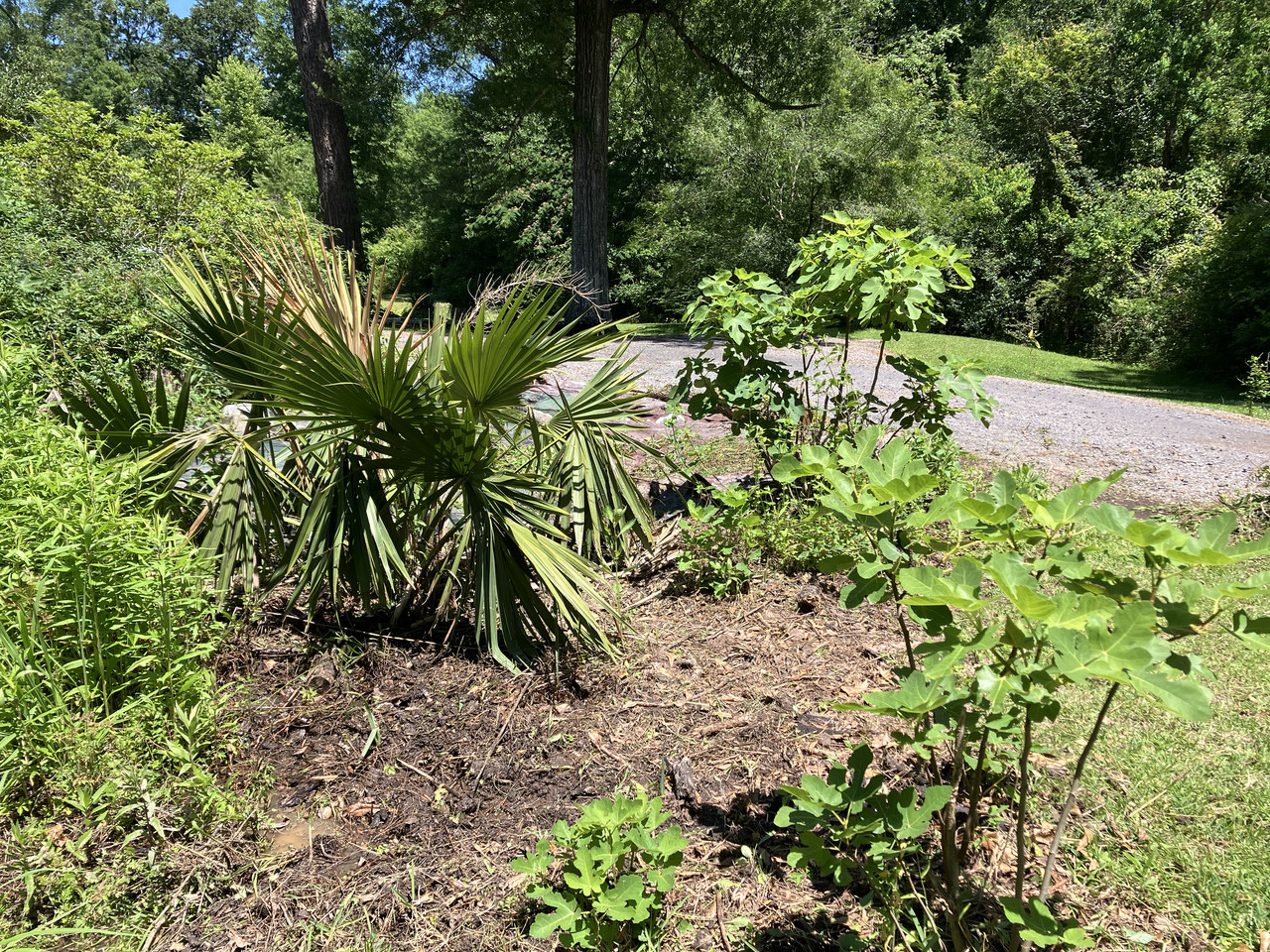
There’s low spots in there that stay pretty wet so I’m going to relocate a bunch of irises in there and maybe some cattails. Otherwise I’ll add a little soil and cover up thickly with mulch and see what happens. This area has been a tangled viney mess ever since I had to cut the big fig tree back.
And this is why you don’t spray herbicide everywhere. I found a couple dozen of these, seedlings off the big palmetto. They are small enough to pot up and with the soil soaked it should be 100% success rate
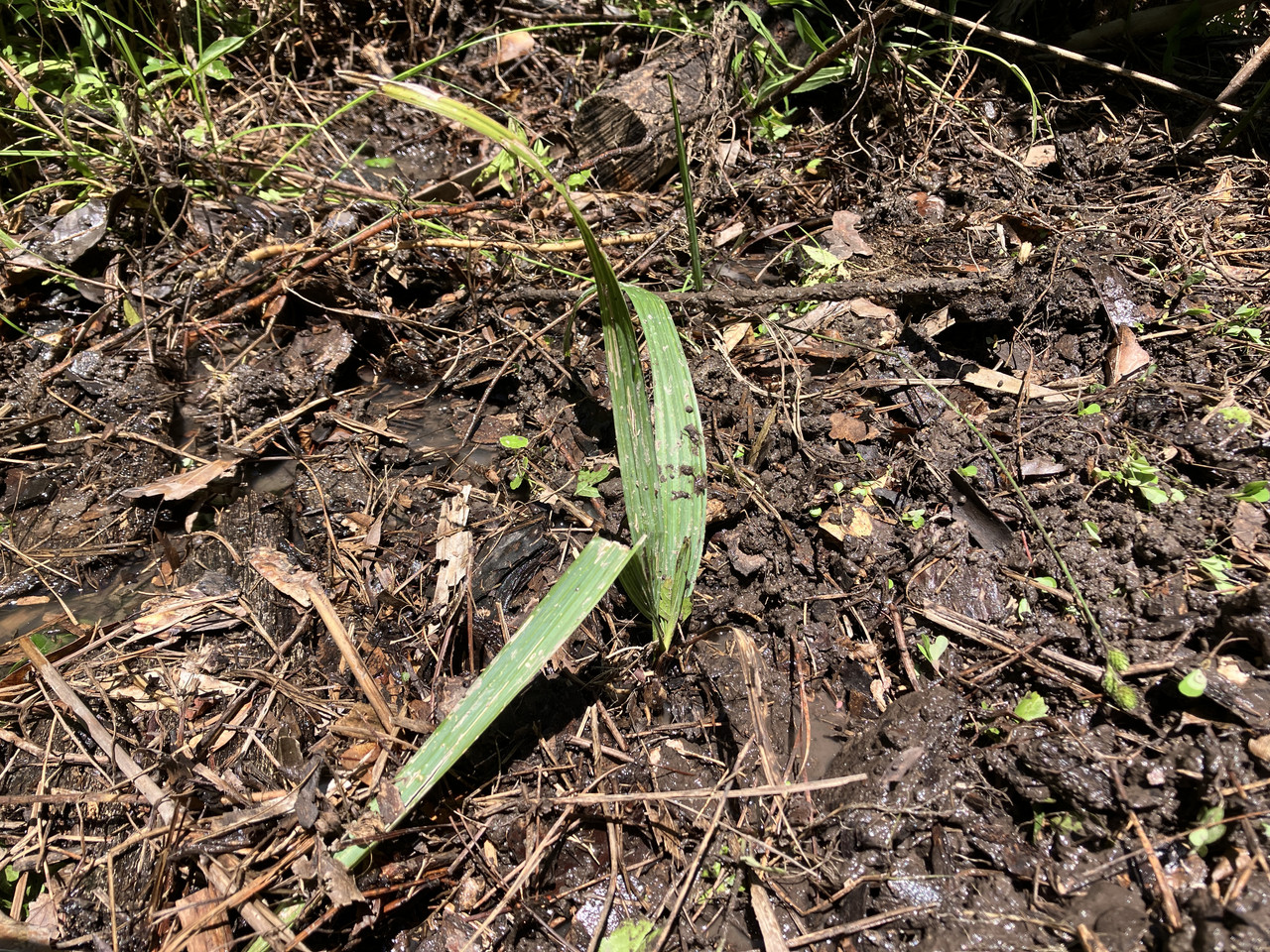
There’s low spots in there that stay pretty wet so I’m going to relocate a bunch of irises in there and maybe some cattails. Otherwise I’ll add a little soil and cover up thickly with mulch and see what happens. This area has been a tangled viney mess ever since I had to cut the big fig tree back.
And this is why you don’t spray herbicide everywhere. I found a couple dozen of these, seedlings off the big palmetto. They are small enough to pot up and with the soil soaked it should be 100% success rate


Posted on 5/2/26 at 1:57 pm to cgrand
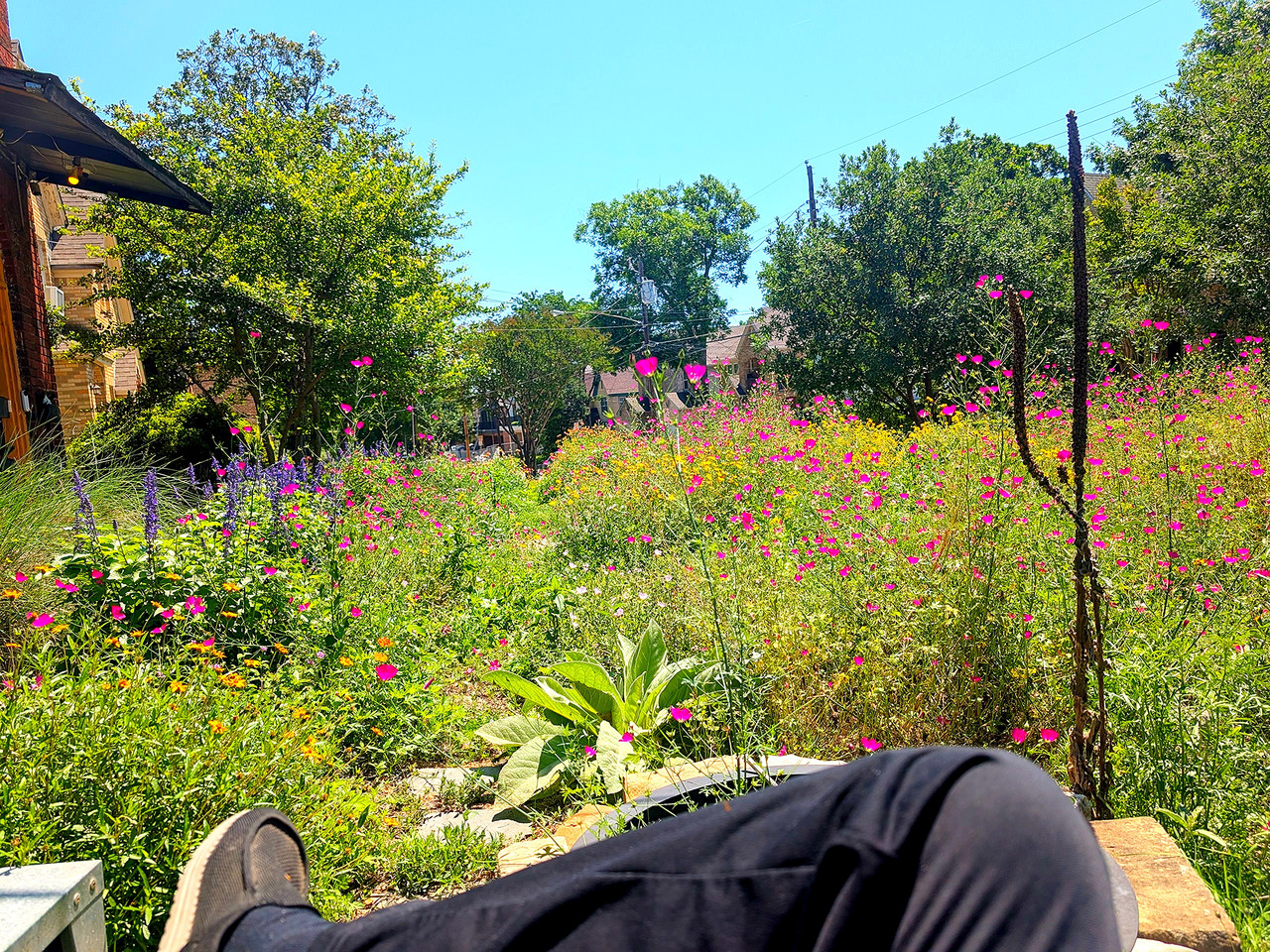
Coffee in the NoMow this morning
Posted on 5/2/26 at 3:18 pm to Zappas Stache
fantastic
are you reseeding at all? Those wine cups are gorgeous
are you reseeding at all? Those wine cups are gorgeous
Posted on 5/2/26 at 5:33 pm to cgrand
quote:
are you reseeding at all?
Everything self seeds, especially the wine cup. I do seed new stuff such as the dwarf sensation cosmos I put down about 6 weeks ago.

Posted on 5/4/26 at 6:16 am to cgrand
I do a version of this in the backyard. After the flood, the grass never came back. I kept putting off trying to bring back the monoculture of centipede. I started getting into looking at and identifying the “weeds.” Eventually i settled on mowing and weedeating every 2-3 weeks. It’s a lot of clover and little flowering plants. Yes, “stickers” and dollarweed too, but i like how many bees the clover gets.
Posted on 5/4/26 at 9:18 am to Rick9Plus
These are popping up everywhere in the st Aug I’ve decided to quit mowing…no idea what they are but they have a woody stem and a pretty flower
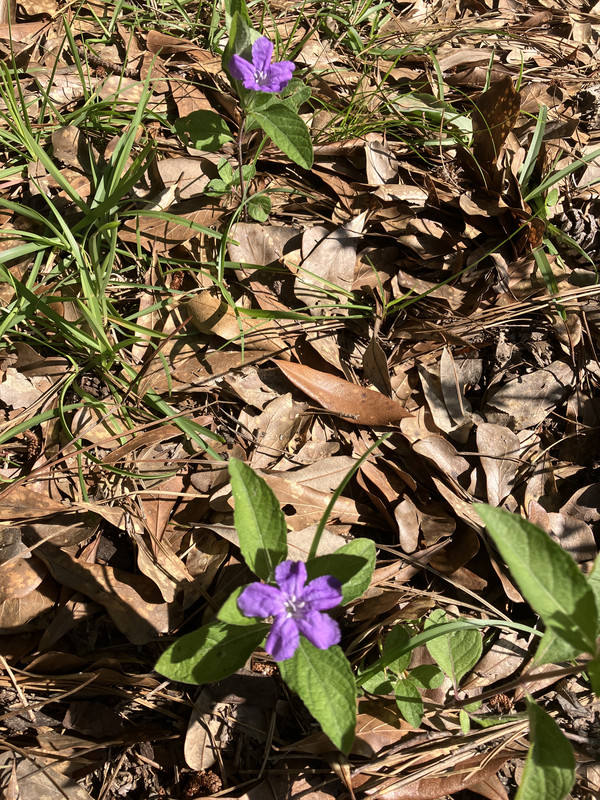
I’m going to pull a bunch of them up and stick them in some naturalized beds
edit: skynet says they are wild petunia Ruellia caroliniensis, perennial and host to the common buckeye butterfly

Hell yeah. No telling how long I’ve been mowing over these. Now that’s a lawn ornament
I’m going to pull a bunch of them up and stick them in some naturalized beds
edit: skynet says they are wild petunia Ruellia caroliniensis, perennial and host to the common buckeye butterfly
Hell yeah. No telling how long I’ve been mowing over these. Now that’s a lawn ornament
This post was edited on 5/4/26 at 9:37 am


Posted on 5/4/26 at 12:44 pm to cgrand
This thread has been very excited. I walked our 30 acres this weekend and have at least 3 areas that I want to convert to native prairie grasses/wildflowers.
I need to find someone to walk the property with me to help identify all the invasives. I have a pretty large privet thicket that will need to be addressed. Laura did some damage on the mature hardwoods and privet took over some of those areas where the trees fell.
I need to find someone to walk the property with me to help identify all the invasives. I have a pretty large privet thicket that will need to be addressed. Laura did some damage on the mature hardwoods and privet took over some of those areas where the trees fell.

Posted on 5/4/26 at 12:54 pm to Salmon
Not sure if any of you are members of the Louisiana Native Plant Society, but they are touring two certified native plant lawns around Pineville this weekend. The information can be found on their website.
Posted on 5/4/26 at 3:56 pm to Salmon
quote:once you have it you’ll always have it, best you can hope for is selective control. If you can get a tractor back there, wait until after a good rain then yank up as much as you can with a chain. Then go back with a bucket and scrape up about 6” and remove as many roots as you can. Then watch it every month or so and give anything that resprouts a good swallow of something toxic.
I have a pretty large privet thicket that will need to be addressed
Same for tallow which if you can believe it is even harder to remove
Posted on 5/4/26 at 4:01 pm to cgrand
the primary invasives will be
Tallow
Privet
Japanese honeysuckle
Bush killer vine
Wisteria
Camphor tree
bermudagrass
It’s pretty rare to have any others than that
Tallow
Privet
Japanese honeysuckle
Bush killer vine
Wisteria
Camphor tree
bermudagrass
It’s pretty rare to have any others than that
Posted on 5/4/26 at 6:52 pm to cgrand
dug up and potted 4 fig trees and a dozen small dwarf palmetto saplings. Pulled up some more Virginia creeper I missed. Dumped a couple loads of dirt and it’s ready for leaves and mulch.
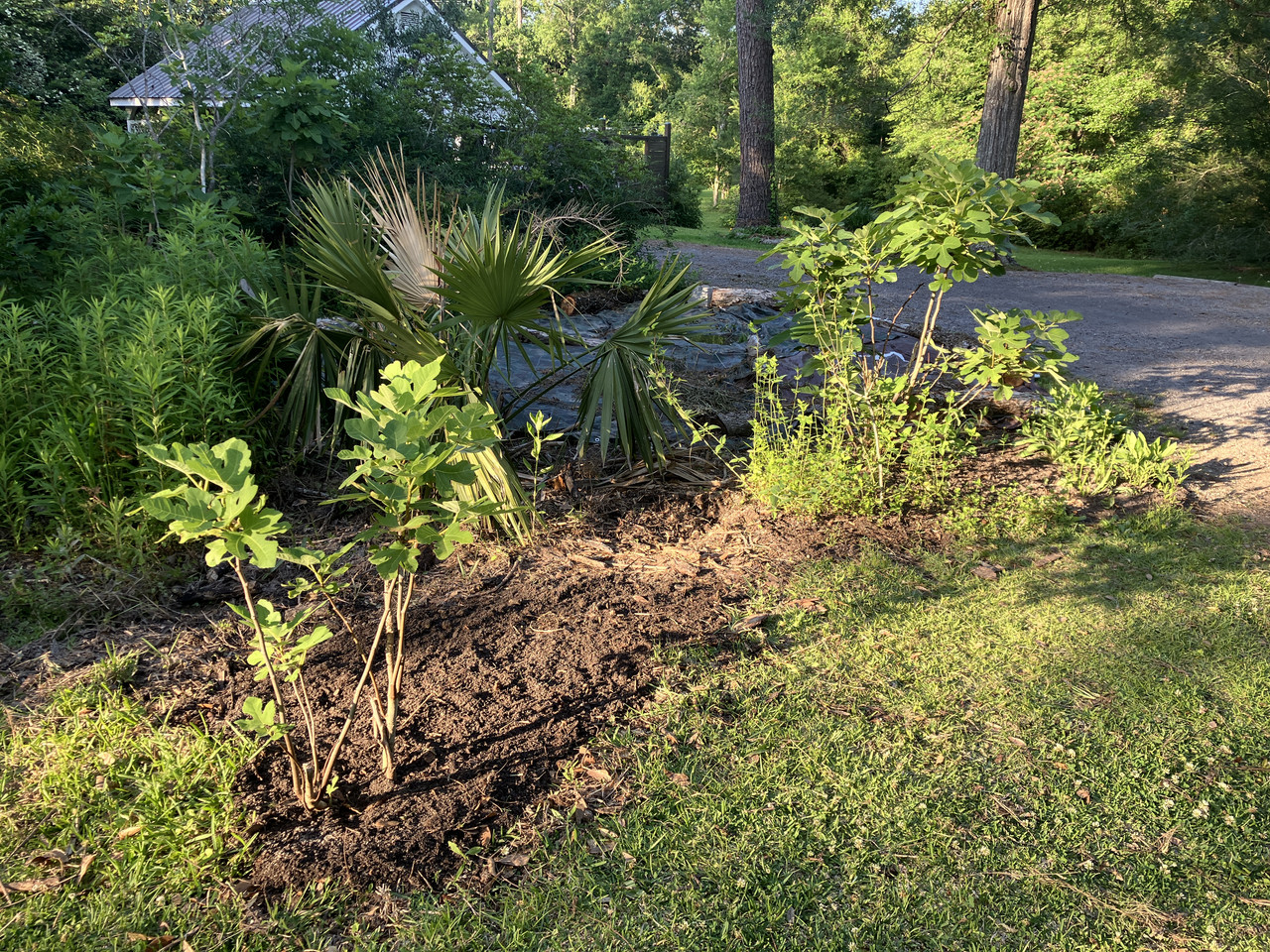
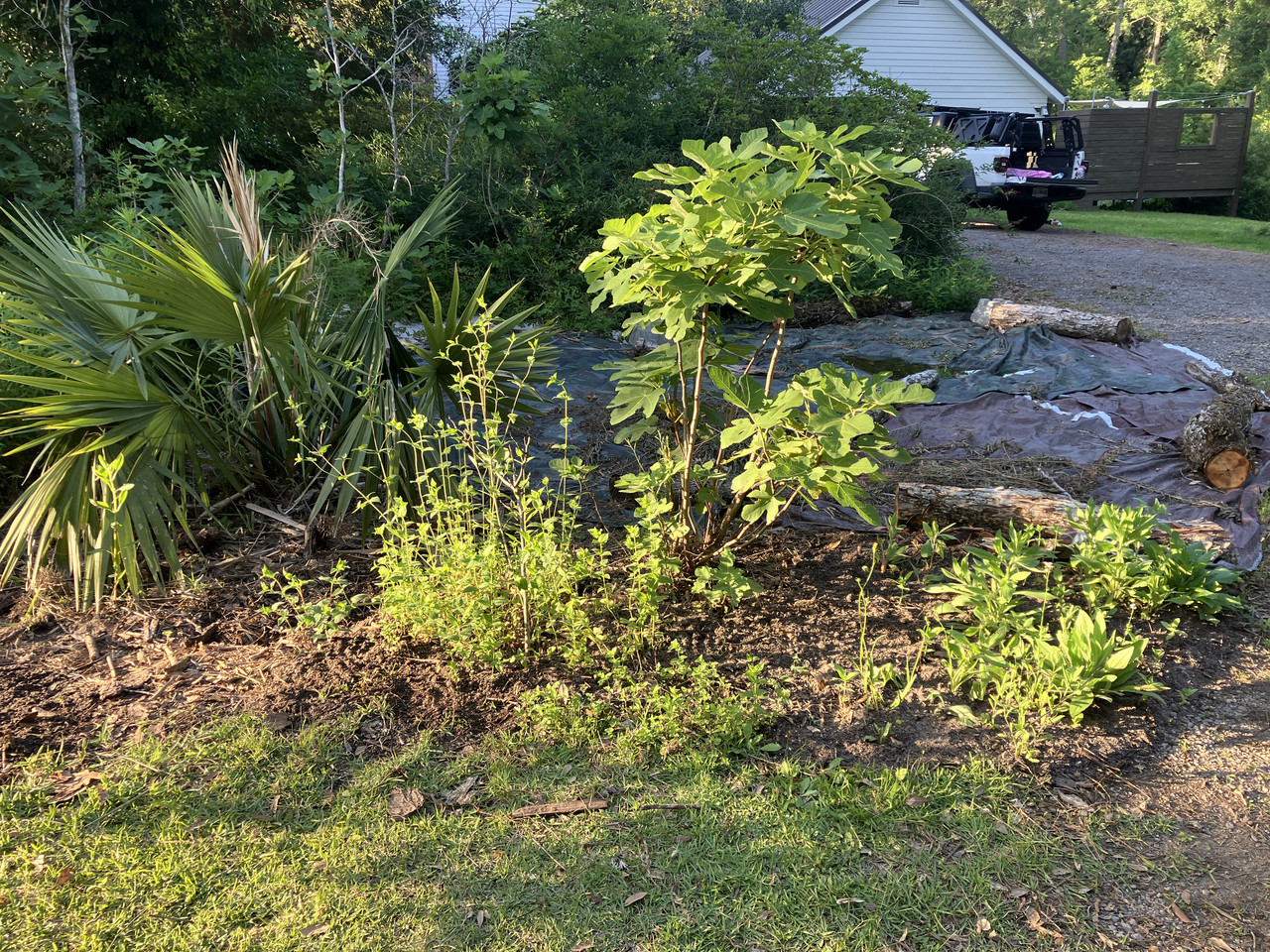
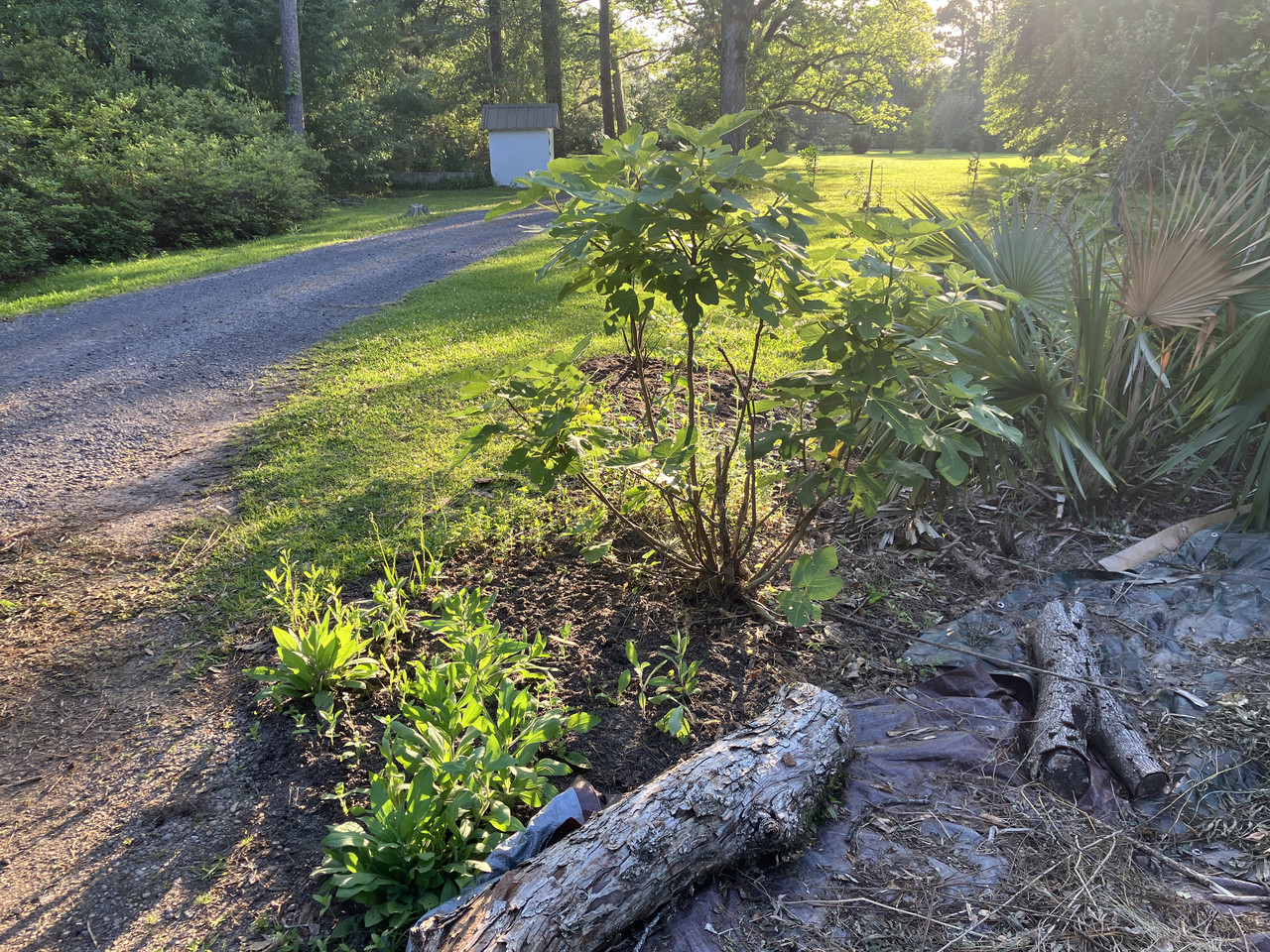
This is where I’m going to stick a bunch of those wild petunias and I also have a stockpile of potted spiderwort and beautyberry. Then a good dose of assorted wildflower seeds.
Tomorrow I’ll start on the rest of the area. It’s pretty bad in the middle where the main fig tree trunks are…I haven’t been up in there in years. Some of the trumpet vine is 1” thick around
This is where I’m going to stick a bunch of those wild petunias and I also have a stockpile of potted spiderwort and beautyberry. Then a good dose of assorted wildflower seeds.
Tomorrow I’ll start on the rest of the area. It’s pretty bad in the middle where the main fig tree trunks are…I haven’t been up in there in years. Some of the trumpet vine is 1” thick around
Posted on 5/6/26 at 12:29 pm to cgrand
done
transplanted some irises from the ditch and some wildflowers that were sprouting in my driveway, and a couple of wild petunias from the yard (I’m intrigued as to what they will do).
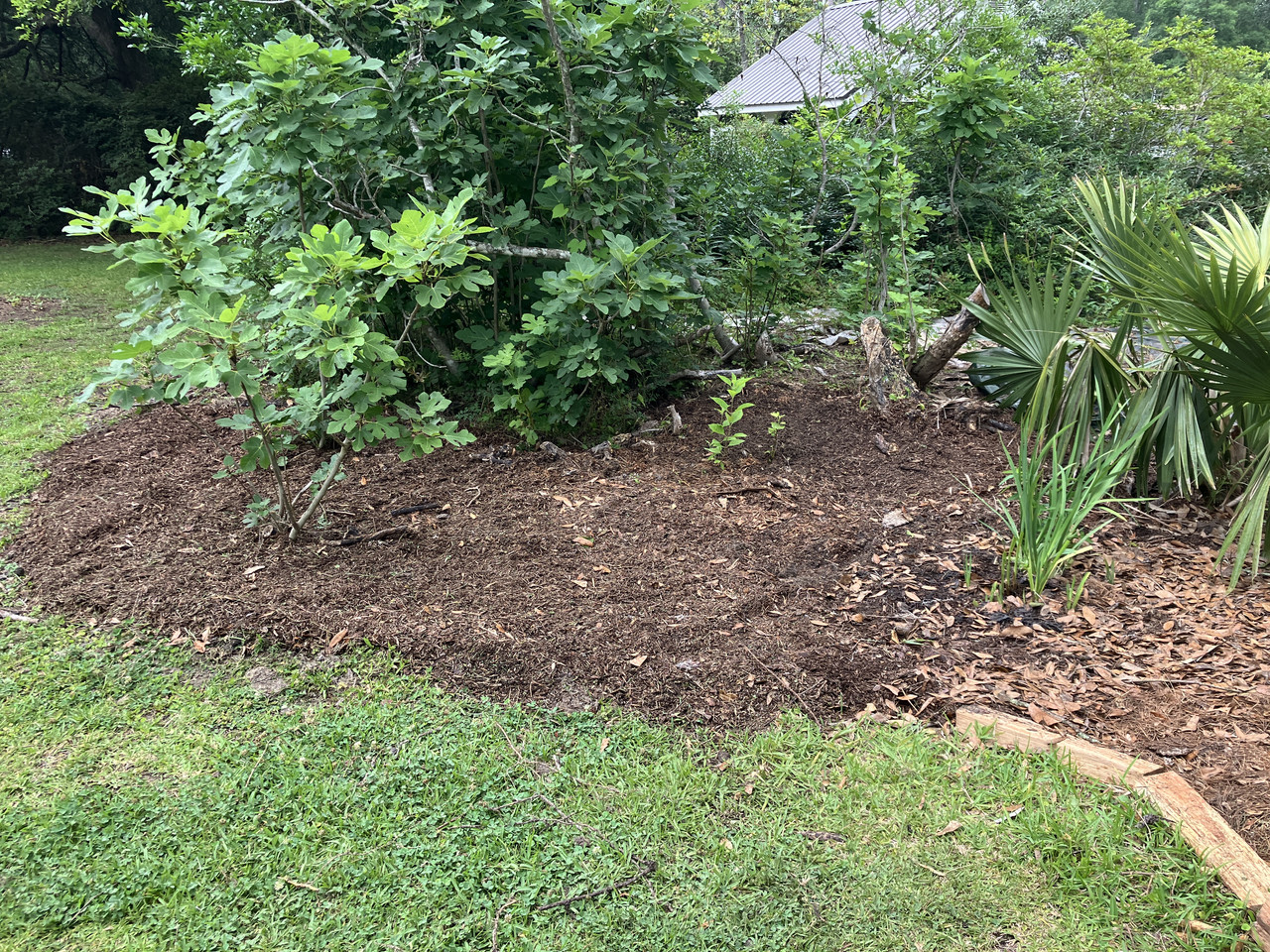
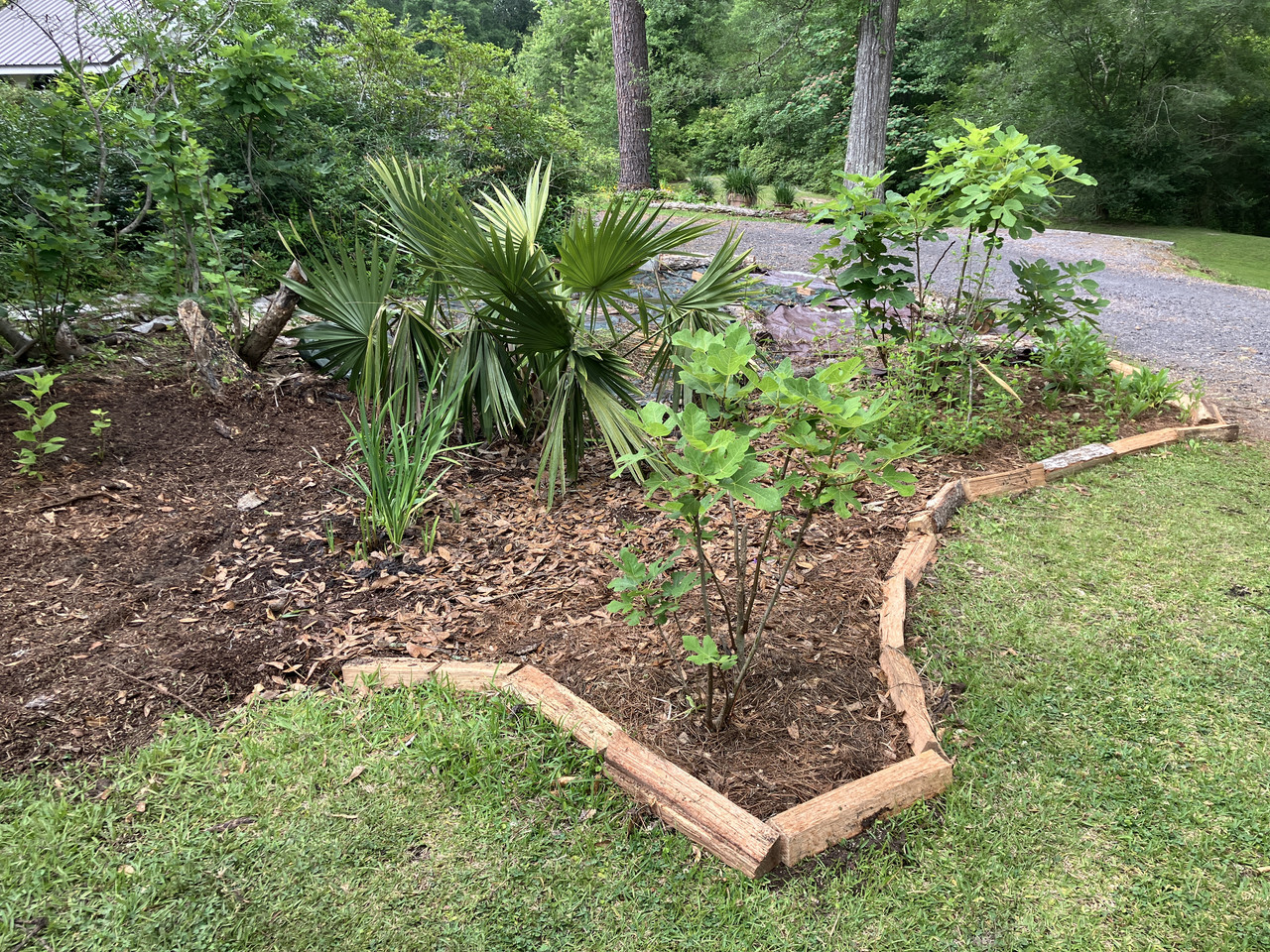
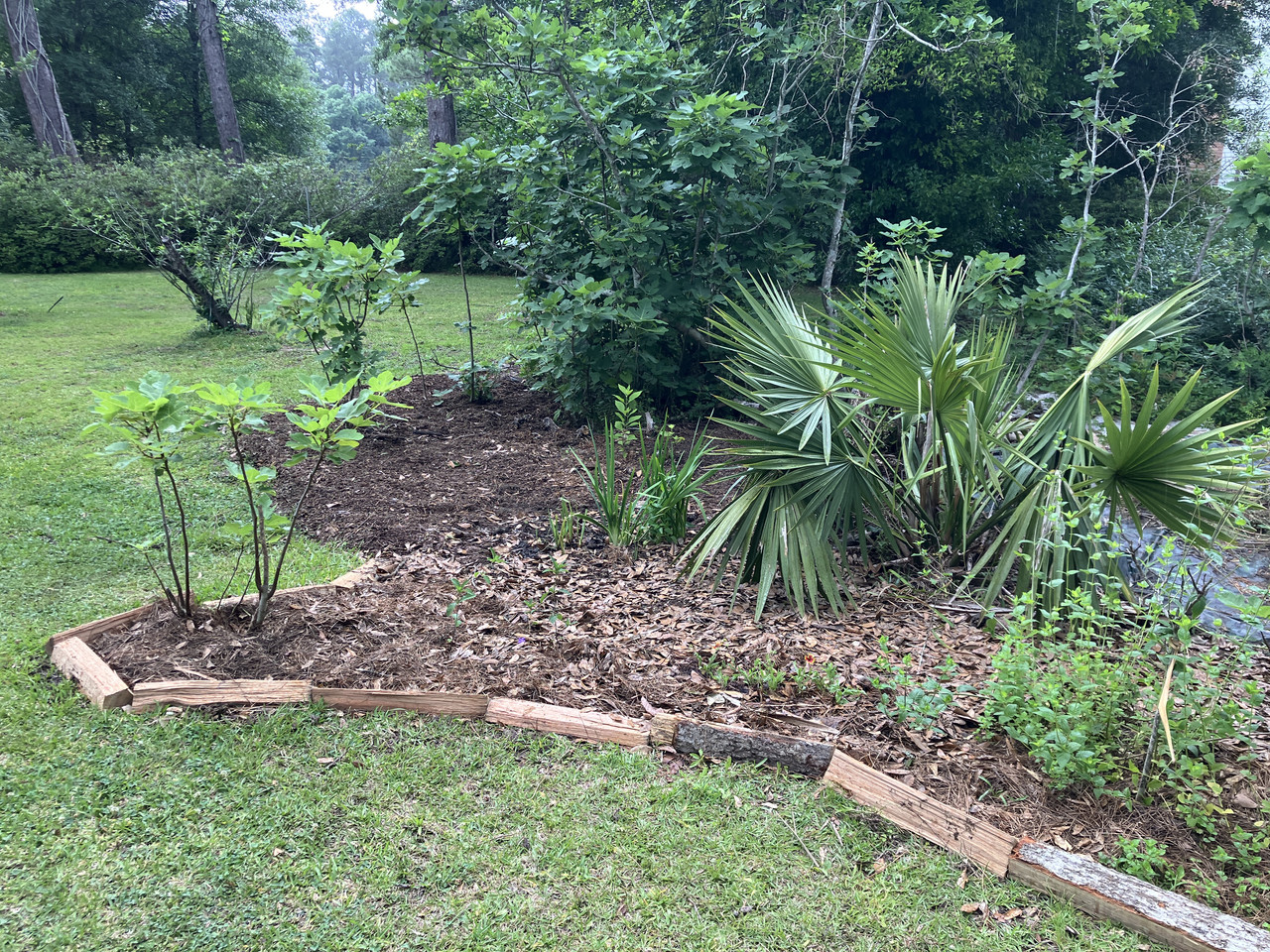
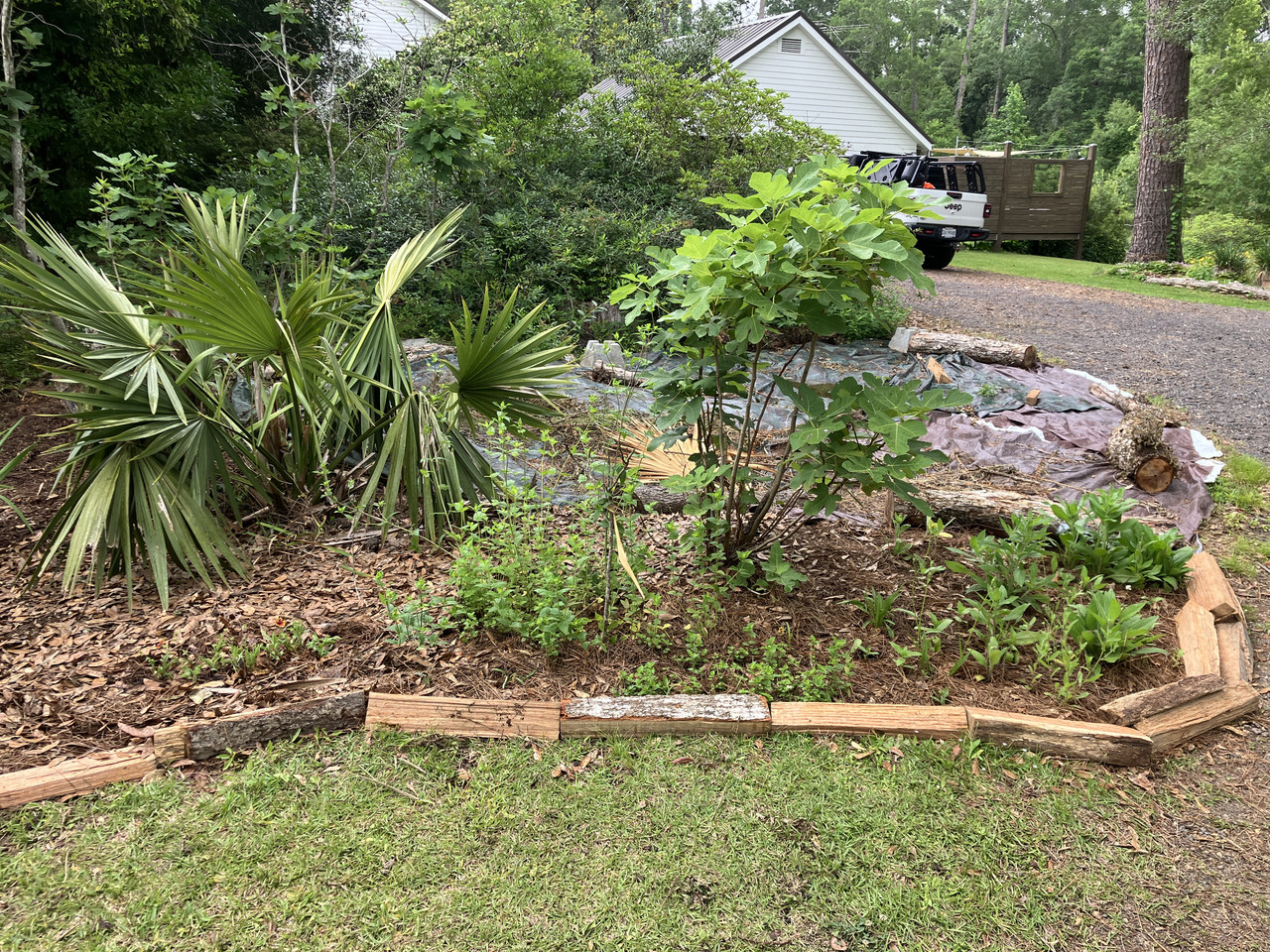
I made it all the way thru this without getting into ants, and then the last dump of mulch was half bark and half ants. I discovered this while on my hands and knees spreading it out…
so, no herbicides used but the ants got the bifen hammer
transplanted some irises from the ditch and some wildflowers that were sprouting in my driveway, and a couple of wild petunias from the yard (I’m intrigued as to what they will do).
I made it all the way thru this without getting into ants, and then the last dump of mulch was half bark and half ants. I discovered this while on my hands and knees spreading it out…
so, no herbicides used but the ants got the bifen hammer
Posted on 5/8/26 at 4:35 pm to cgrand
very good article in the picayune about native plant landscaping at the new burden welcome center in BR
LINK
i've already transplanted some beautyberry and some irises i had in a pot. i also ordered an experiment, Bottle Gentian (Gentiana andrewsii). it also likes boggy sites but is iffy for zone 9, worth a risk as it is a very cool plant

LINK
quote:
“This landscape is a teaching landscape,” Stagg said. “We’re using 100% native plant material for the entire landscape. Because a lot of this site is actually in a bottomland hardwood area, we’ve chosen wetland plants and used them in rain garden and bioswale installations to manage water.” Many plants that are native to Louisiana thrive in soggy conditions, making them outstanding choices for low-lying settings like the one where the new welcome center sits. They excel at soaking up rainwater and reducing runoff and flooding. As a bonus, native plants are tough, handling Louisiana’s challenging climate with ease. And they have striking aesthetics.
quote:i have a bunch of these on my property and they are awesome. i have about a dozen potted seedlings if anyone wants one/some
One of the core components of the welcome center landscape is dwarf palmetto (Sabal minor). You’ve likely seen this plant — which resembles a short, fanlike palm — growing as an understory in wetland and bottomland areas along roadsides. Because it’s evergreen, dwarf palmetto stands out in the winter when deciduous trees are bare. “This plant is super, super tough,” Stagg said. “The stalk, or trunk, actually grows underground, meaning that this plant never gets tall, but you still get the wonderful palm fronds. It also can tolerate a lot of wetness.” Dwarf palmetto’s deep root system also makes it a champ at fighting soil erosion.
quote:i plan to add a bunch more LA irises to the drain swale in the big bed i just renovated, and add some rushes and cattails. all of those plants are growing in ditches all around you (and me) right now...free plants
“Another great quality about these juncus or rush plants is that they’re clump forming, so they’re not going to spread wildly or become messy or grow out of bounds,” Stagg said. “They’ll always maintain a neat shape, just like ornamental grasses we use in the landscape.” These plants are being combined with native trees and shrubs — including pond cypress, Southern magnolia, black gum, yaupon holly, dwarf wax myrtle, American beautyberry and buttonbush. “All of these wonderful native plants are going to come together in a landscape that will show people how to use plant material to help absorb and survive some of these big rainfall inundation events,” Stagg said.
i've already transplanted some beautyberry and some irises i had in a pot. i also ordered an experiment, Bottle Gentian (Gentiana andrewsii). it also likes boggy sites but is iffy for zone 9, worth a risk as it is a very cool plant
Posted on 5/20/26 at 3:39 pm to cgrand
here is the sunny part of the overgrown bed I just cleared out. The ample rain has helped.
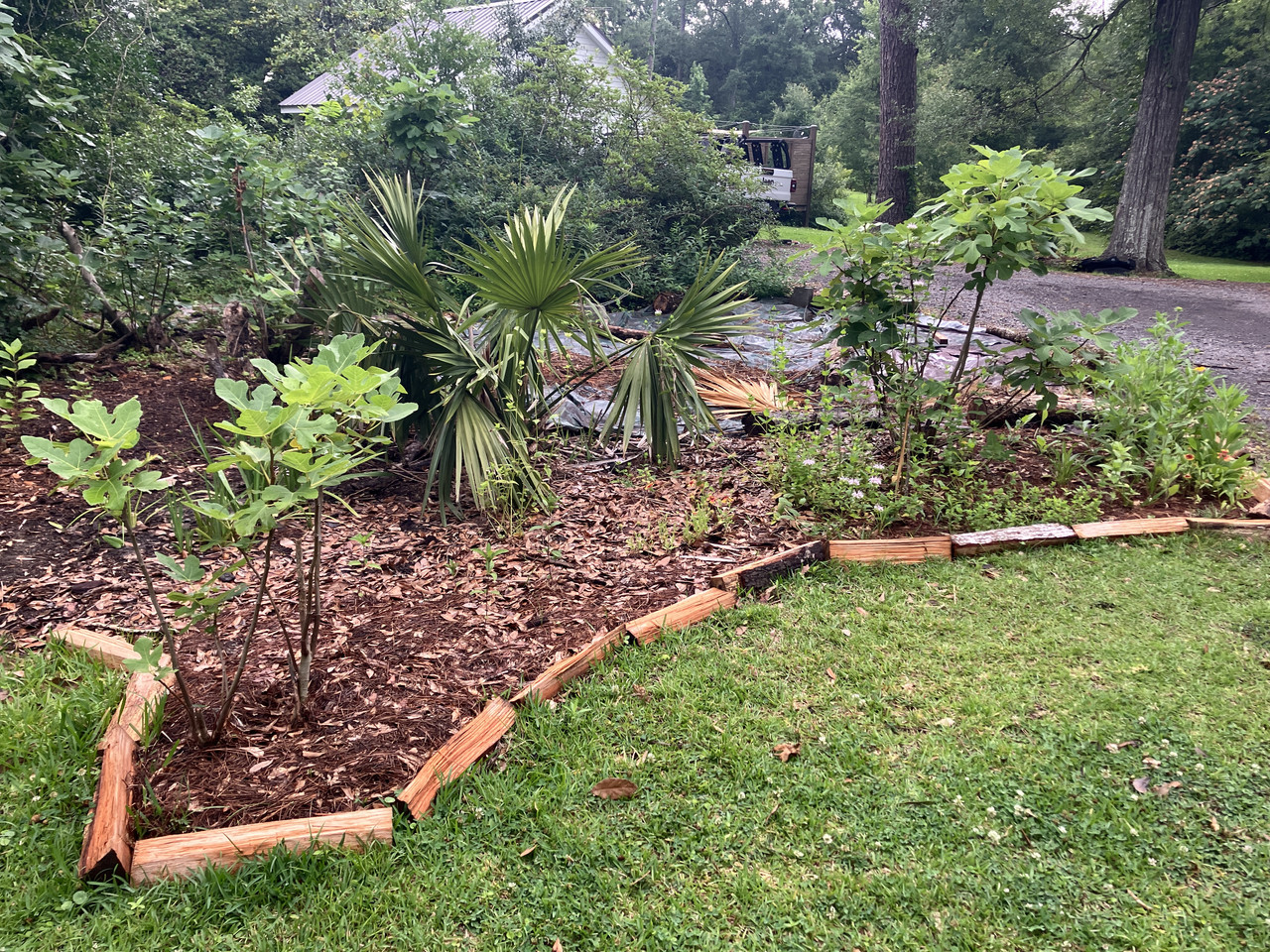
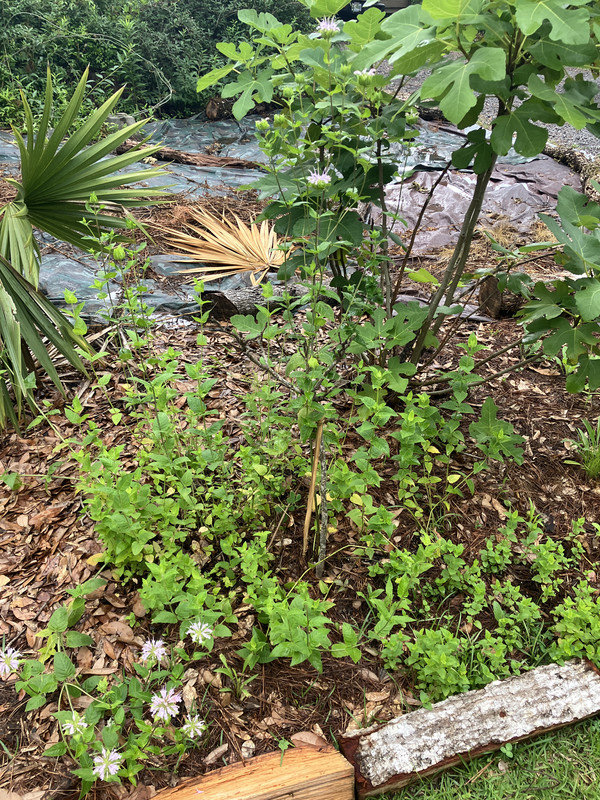
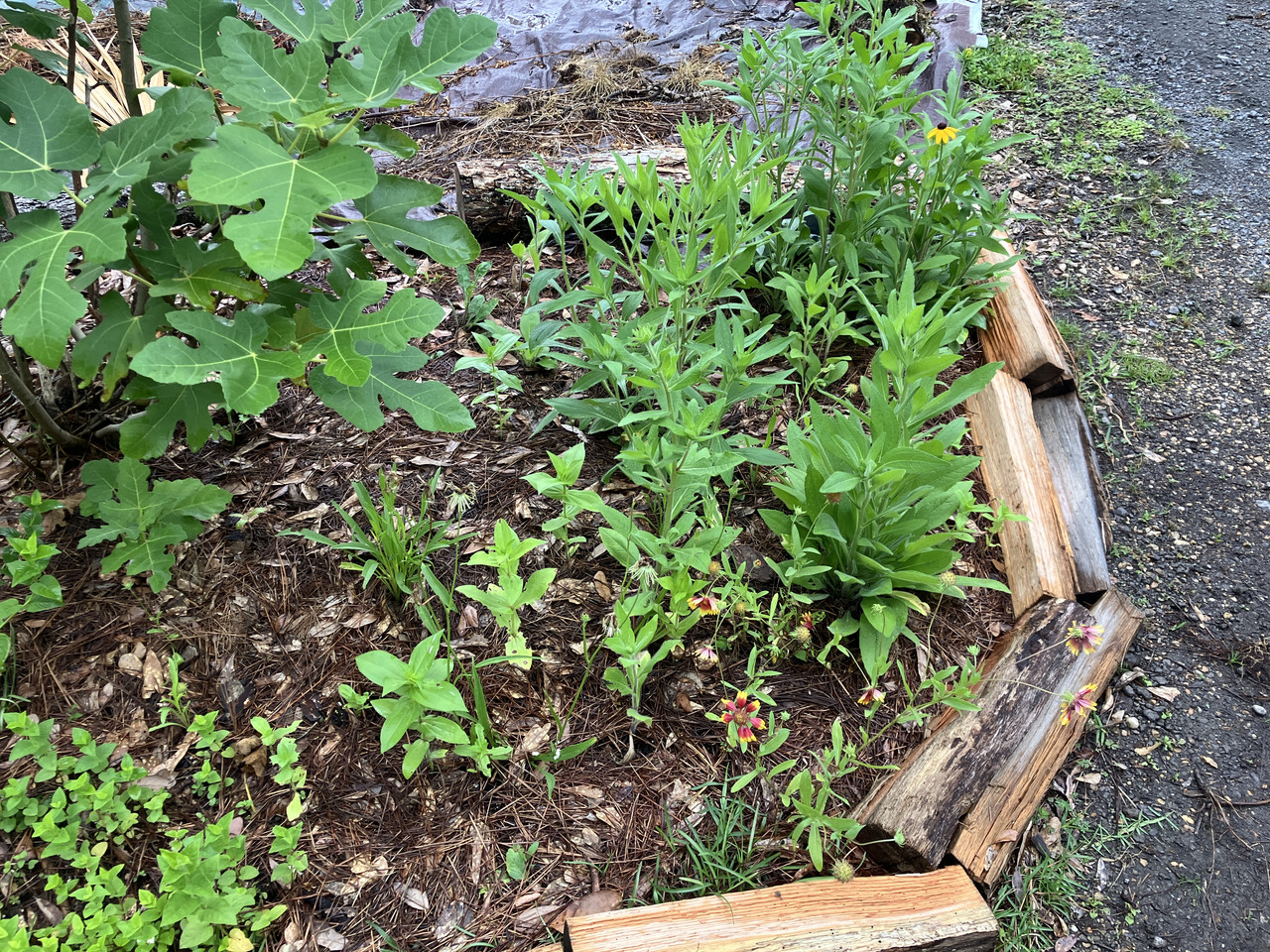
some of it was growing in the tangle and some I transplanted over. Only a few resprouts so far
rudbekia, coreopsis, blanket flower, bee balm, wild orchid
some of it was growing in the tangle and some I transplanted over. Only a few resprouts so far
rudbekia, coreopsis, blanket flower, bee balm, wild orchid

 Page 3 of 3


Popular
Back to top
 Follow TigerDroppings for LSU Football News