




 1
1



- My Forums
- Tiger Rant
- LSU Score Board
- LSU Recruiting
- SEC Rant
- SEC Score Board
- Saints Talk
- Pelicans Talk
- More Sports Board
- Fantasy Sports
- Golf Board
- Soccer Board
- O-T Lounge
- Tech Board
- Home/Garden Board
- Outdoor Board
- Health/Fitness Board
- Movie/TV Board
- Book Board
- Music Board
- Political Talk
- Money Talk
- Fark Board
- Gaming Board
- Travel Board
- Food/Drink Board
- Ticket Exchange
- TD Help Board
Customize My Forums- View All Forums
- Show Left Links
- Topic Sort Options
- Trending Topics
- Recent Topics
- Active Topics
Started By
Message
re: Was the Civil War Fought Because of Slavery? It Depends on Which Side You View
Posted on 5/6/26 at 4:42 pm to SlowFlowPro
Posted on 5/6/26 at 4:42 pm to SlowFlowPro
quote:So now history itself is a """strawman."""
He made a strawman (his comments about morality-based arguments)
Damn!
Critical theory LIVES!
Posted on 5/6/26 at 4:46 pm to SlowFlowPro
quote:
clearly b/c you also want to make a point you can't do in the actual conversation being hand.

Posted on 5/6/26 at 4:59 pm to NC_Tigah
Everything You Know About the Civil War is Wrong
Jonathan ClarkFollow
Nov 1, 2017
The Civil War is perhaps the most misunderstood event in the history of the United States while ironically, appears to be the single historical event most Americans believe they fully comprehend.
It’s likely difficult for many of us — and nearly impossible for younger generations — to imagine a world without air conditioning, refrigeration, and amply-filled grocery stores. Which is nothing to say of a life without the Internet, smartphones, and Amazon.
Consider for a moment that just over a hundred years ago, many Americans didn’t live to see their fiftieth birthday — and the most common cause of death was dysentery.
Life in 1860 America, the year Abraham Lincoln was elected president, was nothing like it is today.
The Southern states were mostly rural, and agriculture was the primary industry while in the North, the industrial revolution was in its infancy. Few Americans had more than a primary school education, and medicine was one level above medieval.
And yet, too many of us mistakenly believe we can make value judgments about a time of which we know little.
To truly understand any historical event, one must study it within the proper context — what is commonly referred to as “contextualization.” But as generation after generation pass, we internalize notions about why people behaved the way they did in the past.
And often, we interpret stories of events through the lens of popular culture — many of which are not entirely accurate.
The American Civil War is chief among these.
For most of us (including me), we attended public schools where we were provided roughly the same instruction regarding the Civil War: Our country was composed of the North, where people opposed slavery, and the South where slavery was embraced. Abraham Lincoln rose to the presidency and fought against the South to end slavery and saved the Union.
Like most of my high school peers, this story seemed plausible enough to me and after all, it ended happily: Slaves were freed and the Union remained intact.
Plausible enough until I read a couple of books by Charles Adams, a tax historian and author from New England — hardly a Southern extremist with an ax to grind.
In these fascinating books, Adams explores how taxation affected historical events and how the popular interpretation of the Civil War survives in the face of some obvious facts.
I had to revise my thinking.
Consider that throughout the presidential campaign of 1860, then-candidate Abraham Lincoln had all but promised not to interfere with Southern slavery, which he reiterated in his first presidential inaugural address.
“I have no purpose, directly or indirectly, to interfere with the institution of slavery where it exists. I believe I have no lawful right to do so, and I have no inclination to do so.”
This seems to run contrary to conventional thinking. Wasn’t he an abolitionist?
Furthermore, Lincoln promised to enforce the fugitive slave laws as president — laws passed by Congress in 1793 and 1850 to provide for the return of slaves who escaped from one state into another state or territory.
Indeed, Southern secession would have made slavery more precarious without the protection of the Constitution and the Supreme Court. From a slave property standpoint, staying in the Union made more sense than leaving.
Continued ....
Jonathan ClarkFollow
Nov 1, 2017
The Civil War is perhaps the most misunderstood event in the history of the United States while ironically, appears to be the single historical event most Americans believe they fully comprehend.
It’s likely difficult for many of us — and nearly impossible for younger generations — to imagine a world without air conditioning, refrigeration, and amply-filled grocery stores. Which is nothing to say of a life without the Internet, smartphones, and Amazon.
Consider for a moment that just over a hundred years ago, many Americans didn’t live to see their fiftieth birthday — and the most common cause of death was dysentery.
Life in 1860 America, the year Abraham Lincoln was elected president, was nothing like it is today.
The Southern states were mostly rural, and agriculture was the primary industry while in the North, the industrial revolution was in its infancy. Few Americans had more than a primary school education, and medicine was one level above medieval.
And yet, too many of us mistakenly believe we can make value judgments about a time of which we know little.
To truly understand any historical event, one must study it within the proper context — what is commonly referred to as “contextualization.” But as generation after generation pass, we internalize notions about why people behaved the way they did in the past.
And often, we interpret stories of events through the lens of popular culture — many of which are not entirely accurate.
The American Civil War is chief among these.
For most of us (including me), we attended public schools where we were provided roughly the same instruction regarding the Civil War: Our country was composed of the North, where people opposed slavery, and the South where slavery was embraced. Abraham Lincoln rose to the presidency and fought against the South to end slavery and saved the Union.
Like most of my high school peers, this story seemed plausible enough to me and after all, it ended happily: Slaves were freed and the Union remained intact.
Plausible enough until I read a couple of books by Charles Adams, a tax historian and author from New England — hardly a Southern extremist with an ax to grind.
In these fascinating books, Adams explores how taxation affected historical events and how the popular interpretation of the Civil War survives in the face of some obvious facts.
I had to revise my thinking.
Consider that throughout the presidential campaign of 1860, then-candidate Abraham Lincoln had all but promised not to interfere with Southern slavery, which he reiterated in his first presidential inaugural address.
“I have no purpose, directly or indirectly, to interfere with the institution of slavery where it exists. I believe I have no lawful right to do so, and I have no inclination to do so.”
This seems to run contrary to conventional thinking. Wasn’t he an abolitionist?
Furthermore, Lincoln promised to enforce the fugitive slave laws as president — laws passed by Congress in 1793 and 1850 to provide for the return of slaves who escaped from one state into another state or territory.
Indeed, Southern secession would have made slavery more precarious without the protection of the Constitution and the Supreme Court. From a slave property standpoint, staying in the Union made more sense than leaving.
Continued ....
Posted on 5/6/26 at 5:00 pm to scrooster
Adding further confusion are the numerous accounts from contemporary newspapers from the North, South, and Europe — all of which tell the tale of a “tariff war,” not the popularly-held notion that the Civil War was a “war against slavery.”
But if the war wasn’t over slavery, what then?
Like most historical events, this too was complicated.
It’s too easy to assign blame for the Civil War on the South and slavery — and intellectually lazy.
Like many other conflicts, the Civil War was decades in the making and the culmination of unresolved issues between the Northern and Southern states. And it finally came to a head during the 1860 presidential campaign and election.
To fully understand the Civil War, it’s vital to recognize that we are dealing with two separate issues: The cause for secession and the cause of the war.
Let’s begin with secession.
In 1860, nearly all federal tax revenue was generated by tariffs — there were no personal or corporate income taxes. And the Southern states were paying the majority (approximately eighty percent) of the tariffs with an impending new tariff that would nearly triple the rate of taxation.
Adding insult to injury, much of the tax revenues collected from imports in the South went to Northern industrial interests and had been for decades. The 1860 Republican platform promised more of the same, which was further eroding the trust of Southerners.
Remember that slave labor practices of the South contrasted greatly with the industries of the North. Without slave labor, most Southern plantations wouldn’t have survived; there simply weren’t enough workers. Slavery was inextricably linked to the South.
While the issue of slavery was, in fact, a primary concern for the South, the secessionist movement began decades before the Civil War.
In 1828, Congress passed a tariff of sixty-two percent which applied to nearly all imported goods. The purpose of the tariff was to protect Northern industries from low-priced imported goods. But it effectively increased the cost of goods for the South, which sans manufacturing capacity, relied heavily on imported goods.
At the same time, the tariff reduced the amount of British goods sold to the South, effectively making it more difficult for the British to pay for Southern cotton. It’s no wonder the South would refer to the Tariff of 1828 as the “Tariff of Abominations.”
The government of South Carolina declared the tariffs of 1828 and 1832 unconstitutional and therefore unenforceable, creating a precarious situation between the state and the federal government. Of little surprise, President Andrew Jackson refused to accept South Carolina’s defiance. Without the Compromise Tariff of 1833, it’s likely that South Carolina would have moved to secede from the Union.
While the crisis was averted, tensions between the North and the South were just beginning to grow.
More tariffs in 1842 and 1857 along with the Fugitive Slave Act of 1850 and the Dred Scott Supreme Court decision worked to further divide the country. In May of 1860, the House of Representatives passed the Morrill Tariff Bill, the twelfth of seventeen planks in the platform of the incoming Republican Party — and a priority for the soon-to-be-elected new president.
Charles Dickens, from his journal, All the Year Round, observed, “The last grievance of the South was the Morrill tariff, passed as an election bribe to the State of Pennsylvania, imposing, among other things, a duty of no less than fifty per cent on the importation of pig iron, in which that State is especially interested.” (1)
Soon after, America elected its first “sectionalist” president: Abraham Lincoln. And the rupture of the Union was finally at hand.
Continued ...
But if the war wasn’t over slavery, what then?
Like most historical events, this too was complicated.
It’s too easy to assign blame for the Civil War on the South and slavery — and intellectually lazy.
Like many other conflicts, the Civil War was decades in the making and the culmination of unresolved issues between the Northern and Southern states. And it finally came to a head during the 1860 presidential campaign and election.
To fully understand the Civil War, it’s vital to recognize that we are dealing with two separate issues: The cause for secession and the cause of the war.
Let’s begin with secession.
In 1860, nearly all federal tax revenue was generated by tariffs — there were no personal or corporate income taxes. And the Southern states were paying the majority (approximately eighty percent) of the tariffs with an impending new tariff that would nearly triple the rate of taxation.
Adding insult to injury, much of the tax revenues collected from imports in the South went to Northern industrial interests and had been for decades. The 1860 Republican platform promised more of the same, which was further eroding the trust of Southerners.
Remember that slave labor practices of the South contrasted greatly with the industries of the North. Without slave labor, most Southern plantations wouldn’t have survived; there simply weren’t enough workers. Slavery was inextricably linked to the South.
While the issue of slavery was, in fact, a primary concern for the South, the secessionist movement began decades before the Civil War.
In 1828, Congress passed a tariff of sixty-two percent which applied to nearly all imported goods. The purpose of the tariff was to protect Northern industries from low-priced imported goods. But it effectively increased the cost of goods for the South, which sans manufacturing capacity, relied heavily on imported goods.
At the same time, the tariff reduced the amount of British goods sold to the South, effectively making it more difficult for the British to pay for Southern cotton. It’s no wonder the South would refer to the Tariff of 1828 as the “Tariff of Abominations.”
The government of South Carolina declared the tariffs of 1828 and 1832 unconstitutional and therefore unenforceable, creating a precarious situation between the state and the federal government. Of little surprise, President Andrew Jackson refused to accept South Carolina’s defiance. Without the Compromise Tariff of 1833, it’s likely that South Carolina would have moved to secede from the Union.
While the crisis was averted, tensions between the North and the South were just beginning to grow.
More tariffs in 1842 and 1857 along with the Fugitive Slave Act of 1850 and the Dred Scott Supreme Court decision worked to further divide the country. In May of 1860, the House of Representatives passed the Morrill Tariff Bill, the twelfth of seventeen planks in the platform of the incoming Republican Party — and a priority for the soon-to-be-elected new president.
Charles Dickens, from his journal, All the Year Round, observed, “The last grievance of the South was the Morrill tariff, passed as an election bribe to the State of Pennsylvania, imposing, among other things, a duty of no less than fifty per cent on the importation of pig iron, in which that State is especially interested.” (1)
Soon after, America elected its first “sectionalist” president: Abraham Lincoln. And the rupture of the Union was finally at hand.
Continued ...
Posted on 5/6/26 at 5:02 pm to NC_Tigah
quote:
So now history itself is a """strawman."""
Uh, no.
Who has made a direct, morality-based argument ITT? Specifically those saying slavery was the primary factor in causing the Civil War?
Posted on 5/6/26 at 5:03 pm to scrooster
On December 20th, 1860, South Carolina voted unanimously to secede. Mississippi, Alabama, Florida, and Louisiana soon followed and before Lincoln’s inauguration, Texas and Georgia would be added to the list.
At the outset of the war, Lincoln called on volunteers from all states to “put down the rebellion.” Refusing to bear arms against their Southern brethren, Virginia, North Carolina, Arkansas, and Tennessee seceded.
Of the eleven seceding states, only six cited slavery as the primary cause for leaving the Union. (2)
The war to save the Union.
To understand how the war began, we should begin with the words of Abraham Lincoln.
“I have no purpose, directly or in-directly, to interfere with the institution of slavery in the States where it exists. I believe I have no lawful right to do so, and I have no inclination to do so. Those who nominated and elected me did so with full knowledge that I had made this and many similar declarations and had never recanted them,” Lincoln said in his first inaugural on March 4, 1860. (3)
While promising not “to interfere with the institution of slavery,” Lincoln also argued, “no State upon its own mere motion can lawfully get out of the Union.”
Then he threw down the gauntlet against rebellion.
“In doing this there needs to be no bloodshed or violence, and there shall be none unless it be forced upon the national authority. The power confided to me will be used to hold, occupy, and possess the property and places belonging to the Government and to collect the duties and imposts; but beyond what may be necessary for these objects, there will be no invasion, no using of force against or among the people anywhere.” (Emphasis mine)
Lincoln argued that secession was legally and constitutionally impossible, a view that stood in stark contrast to his stated beliefs while a member of Congress just twelve years prior.
In a speech in the House of Representatives regarding the war with Mexico, Lincoln argued in favor of secession.
“Any people anywhere, being inclined and having the power, have the right to rise up and shake off the existing government, and form a new one that suits them better. This is a most valuable, a most sacred right — a right which, we hope and believe, is to liberate the world. Nor is this right confined to cases in which the whole people of an existing government may choose to exercise it. Any portion of such people that can may revolutionize, and make their own of so much of the territory as they inhabit.” (4)
Perhaps his views changed between his time in Congress and becoming president. But it’s doubtful given his involvement in the creation of the state of West Virginia during the Civil War, which provided his party additional electoral votes and congressional representation — an act Lincoln’s own attorney general believed was unconstitutional.
In a December 1862 written statement, Attorney General Edward Bates declared, “I observe, in the first place, that the Congress can admit new States into this Union, but cannot form States: Congress has no creative power, in that respect; and cannot admit into this Union, any territory, district or other political entity, less than a State. And such State must exist, as a separate independent body politic, before it can be admitted, under that clause of the Constitution — and there is no other clause.” (5)
It seems that Lincoln wasn’t opposed to secession if it served his political purposes. But now as president of a divided country, he was facing a challenge of potentially dire economic consequences: Should the Southern states have been allowed to leave the Union unmolested, they would have taken with them millions in tax revenues.
Continued ...
At the outset of the war, Lincoln called on volunteers from all states to “put down the rebellion.” Refusing to bear arms against their Southern brethren, Virginia, North Carolina, Arkansas, and Tennessee seceded.
Of the eleven seceding states, only six cited slavery as the primary cause for leaving the Union. (2)
The war to save the Union.
To understand how the war began, we should begin with the words of Abraham Lincoln.
“I have no purpose, directly or in-directly, to interfere with the institution of slavery in the States where it exists. I believe I have no lawful right to do so, and I have no inclination to do so. Those who nominated and elected me did so with full knowledge that I had made this and many similar declarations and had never recanted them,” Lincoln said in his first inaugural on March 4, 1860. (3)
While promising not “to interfere with the institution of slavery,” Lincoln also argued, “no State upon its own mere motion can lawfully get out of the Union.”
Then he threw down the gauntlet against rebellion.
“In doing this there needs to be no bloodshed or violence, and there shall be none unless it be forced upon the national authority. The power confided to me will be used to hold, occupy, and possess the property and places belonging to the Government and to collect the duties and imposts; but beyond what may be necessary for these objects, there will be no invasion, no using of force against or among the people anywhere.” (Emphasis mine)
Lincoln argued that secession was legally and constitutionally impossible, a view that stood in stark contrast to his stated beliefs while a member of Congress just twelve years prior.
In a speech in the House of Representatives regarding the war with Mexico, Lincoln argued in favor of secession.
“Any people anywhere, being inclined and having the power, have the right to rise up and shake off the existing government, and form a new one that suits them better. This is a most valuable, a most sacred right — a right which, we hope and believe, is to liberate the world. Nor is this right confined to cases in which the whole people of an existing government may choose to exercise it. Any portion of such people that can may revolutionize, and make their own of so much of the territory as they inhabit.” (4)
Perhaps his views changed between his time in Congress and becoming president. But it’s doubtful given his involvement in the creation of the state of West Virginia during the Civil War, which provided his party additional electoral votes and congressional representation — an act Lincoln’s own attorney general believed was unconstitutional.
In a December 1862 written statement, Attorney General Edward Bates declared, “I observe, in the first place, that the Congress can admit new States into this Union, but cannot form States: Congress has no creative power, in that respect; and cannot admit into this Union, any territory, district or other political entity, less than a State. And such State must exist, as a separate independent body politic, before it can be admitted, under that clause of the Constitution — and there is no other clause.” (5)
It seems that Lincoln wasn’t opposed to secession if it served his political purposes. But now as president of a divided country, he was facing a challenge of potentially dire economic consequences: Should the Southern states have been allowed to leave the Union unmolested, they would have taken with them millions in tax revenues.
Continued ...
Posted on 5/6/26 at 5:07 pm to scrooster
Nor was it a Civil War. The Confederate states had no aspirations to rule the Union any more than George Washington sought control over Great Britain in 1776. In both the American Revolutionary War and the “Civil War,” independence was the goal.
The original quagmire.
The idea that the Civil War was some sort of a morality play about freeing Southern slaves is an ideological distortion that obfuscates many of the atrocities that occurred during and after the war.
But if we accept the idea that Lincoln was waging war to free the slaves, it helps justify the loss of over 600,000 American lives. Not to mention the financial cost of the war, which many historians believe could have been avoided.
Indeed, this wasn’t the first time a United States president had faced the issue of secession.
From 1800 to 1815, three serious attempts at secession were orchestrated by New England Federalists, who were infuriated by what they believed was unconstitutional acts by President Thomas Jefferson.
Among the voices for secession was Connecticut Senator James Hillhouse who declared, “The Eastern States must and will dissolve the Union and form a separate government. I will rather anticipate a new confederacy, exempt from the corrupt and corrupting influence and oppression of the aristocratic Democrats of the South.”
“There will be — and our children at farthest will see it — a separation. The white and black population will mark the boundary,” wrote Timothy Pickering, the prominent Senator from Massachusetts. (12)
It was the belief of Hillhouse, Pickering, John Quincy Adams, and others that the South was gaining too much power and influence at a cost to the New England states.
What was Jefferson’s response to the threat of secession? It certainly wasn’t war.
“Whether we remain in one confederacy, or form into Atlantic and Mississippi confederacies, I believe not very important to the happiness of either part.” (13)
“Events may prove it otherwise; and if they see their interest in separation, why should we take side with our Atlantic rather than our Missipi descendants? It is the elder and the younger son differing. God bless them both, & keep them in union, if it be for their good, but separate them, if it be better.” (14)
From all outward accounts, Lincoln wanted a war with the South — some might say he needed it — and that’s what he got. The loss of tax revenues from the Southern ports would not go unpunished as he promised in his inaugural address.
But after more than a year at war, the Union’s prospects for victory were in doubt.
Losses to the Army in significant battles had the Union mired in a bloody quagmire. Moreover, Britain and France were considering support for the Confederacy by recognizing it as a sovereign country, which could have concretized secession and put Lincoln’s forces at risk of having to fight against Confederate allies from Europe.
It’s important to recognize that up until September 1862, the stated purpose of the war had been to preserve the Union. With the issuance of the Emancipation Proclamation, Lincoln sought to change the focus of the war.
But the Emancipation Proclamation freed no one. Not a single slave.
“. . . all persons held as slaves within any State or designated part of a State, the people whereof shall then be in rebellion against the United States, shall be then, thenceforward, and forever free.” (15)
Only the Southern states were “in rebellion” and Lincoln had no control over the Confederacy. Nor did he have the power to free the slaves in the South or the Union. That would require a Constitutional Amendment, which wouldn’t occur until after the Civil War. In 1865, the 13th Amendment abolished slavery.
Indeed, this was a last-ditch effort to cripple the Confederate Army. Lincoln hoped that it would entice Southern slaves to leave and join the ranks of the Union Army, depleting the Confederacy’s labor force, which was sorely needed to wage war against the Union.
Woodrow Wilson, writing in History of the American People, proposed that, “It was necessary to put the South at a moral disadvantage by transforming the contest from a war waged against states fighting for their independence into a war waged against states fighting for the maintenance and extension of slavery.”(16)
Prior to the proclamation, Lincoln confessed to New York Tribune editor Horace Greeley, “My paramount object in this struggle is to save the Union, and is not either to save or destroy slavery. If I could save the Union without freeing any slave I would do it, and if I could save it by freeing all the slaves I would do it; and if I could save it by freeing some and leaving others alone I would also do that.” (17)
Charles Dickens observed of the proclamation, “The Northern onslaught upon slavery is no more than a piece of specious humbug designed to conceal its desire for economic control of the Southern states.” (18)
Myths which are widely believed tend to become truth.
It really is remarkable how many of our popularly-held beliefs about the Civil War fail critical scrutiny. Not just the causes of secession and the war, but many other elements of the period.
The most incredible of these myths is that of our sixteenth president, Abraham Lincoln. For all that has been written about Lincoln, so few texts accurately portray his presidency.
One has only to spend a little time on the Internet reading his own words to witness the legend of Lincoln fall apart.
“I am not, nor ever have been, in favor of bringing about in any way the social and political equality of the white and black races, that I am not nor ever have been in favor of making voters or jurors of negroes, nor of qualifying them to hold office, nor to intermarry with white people; and I will say in addition to this that there is a physical difference between the white and black races which I believe will forever forbid the two races living together on terms of social and political equality.” (19)
Continued ...
The original quagmire.
The idea that the Civil War was some sort of a morality play about freeing Southern slaves is an ideological distortion that obfuscates many of the atrocities that occurred during and after the war.
But if we accept the idea that Lincoln was waging war to free the slaves, it helps justify the loss of over 600,000 American lives. Not to mention the financial cost of the war, which many historians believe could have been avoided.
Indeed, this wasn’t the first time a United States president had faced the issue of secession.
From 1800 to 1815, three serious attempts at secession were orchestrated by New England Federalists, who were infuriated by what they believed was unconstitutional acts by President Thomas Jefferson.
Among the voices for secession was Connecticut Senator James Hillhouse who declared, “The Eastern States must and will dissolve the Union and form a separate government. I will rather anticipate a new confederacy, exempt from the corrupt and corrupting influence and oppression of the aristocratic Democrats of the South.”
“There will be — and our children at farthest will see it — a separation. The white and black population will mark the boundary,” wrote Timothy Pickering, the prominent Senator from Massachusetts. (12)
It was the belief of Hillhouse, Pickering, John Quincy Adams, and others that the South was gaining too much power and influence at a cost to the New England states.
What was Jefferson’s response to the threat of secession? It certainly wasn’t war.
“Whether we remain in one confederacy, or form into Atlantic and Mississippi confederacies, I believe not very important to the happiness of either part.” (13)
“Events may prove it otherwise; and if they see their interest in separation, why should we take side with our Atlantic rather than our Missipi descendants? It is the elder and the younger son differing. God bless them both, & keep them in union, if it be for their good, but separate them, if it be better.” (14)
From all outward accounts, Lincoln wanted a war with the South — some might say he needed it — and that’s what he got. The loss of tax revenues from the Southern ports would not go unpunished as he promised in his inaugural address.
But after more than a year at war, the Union’s prospects for victory were in doubt.
Losses to the Army in significant battles had the Union mired in a bloody quagmire. Moreover, Britain and France were considering support for the Confederacy by recognizing it as a sovereign country, which could have concretized secession and put Lincoln’s forces at risk of having to fight against Confederate allies from Europe.
It’s important to recognize that up until September 1862, the stated purpose of the war had been to preserve the Union. With the issuance of the Emancipation Proclamation, Lincoln sought to change the focus of the war.
But the Emancipation Proclamation freed no one. Not a single slave.
“. . . all persons held as slaves within any State or designated part of a State, the people whereof shall then be in rebellion against the United States, shall be then, thenceforward, and forever free.” (15)
Only the Southern states were “in rebellion” and Lincoln had no control over the Confederacy. Nor did he have the power to free the slaves in the South or the Union. That would require a Constitutional Amendment, which wouldn’t occur until after the Civil War. In 1865, the 13th Amendment abolished slavery.
Indeed, this was a last-ditch effort to cripple the Confederate Army. Lincoln hoped that it would entice Southern slaves to leave and join the ranks of the Union Army, depleting the Confederacy’s labor force, which was sorely needed to wage war against the Union.
Woodrow Wilson, writing in History of the American People, proposed that, “It was necessary to put the South at a moral disadvantage by transforming the contest from a war waged against states fighting for their independence into a war waged against states fighting for the maintenance and extension of slavery.”(16)
Prior to the proclamation, Lincoln confessed to New York Tribune editor Horace Greeley, “My paramount object in this struggle is to save the Union, and is not either to save or destroy slavery. If I could save the Union without freeing any slave I would do it, and if I could save it by freeing all the slaves I would do it; and if I could save it by freeing some and leaving others alone I would also do that.” (17)
Charles Dickens observed of the proclamation, “The Northern onslaught upon slavery is no more than a piece of specious humbug designed to conceal its desire for economic control of the Southern states.” (18)
Myths which are widely believed tend to become truth.
It really is remarkable how many of our popularly-held beliefs about the Civil War fail critical scrutiny. Not just the causes of secession and the war, but many other elements of the period.
The most incredible of these myths is that of our sixteenth president, Abraham Lincoln. For all that has been written about Lincoln, so few texts accurately portray his presidency.
One has only to spend a little time on the Internet reading his own words to witness the legend of Lincoln fall apart.
“I am not, nor ever have been, in favor of bringing about in any way the social and political equality of the white and black races, that I am not nor ever have been in favor of making voters or jurors of negroes, nor of qualifying them to hold office, nor to intermarry with white people; and I will say in addition to this that there is a physical difference between the white and black races which I believe will forever forbid the two races living together on terms of social and political equality.” (19)
Continued ...
Posted on 5/6/26 at 5:08 pm to scrooster
quote:
The idea that the Civil War was some sort of a morality play about freeing Southern slaves is an ideological distortion that obfuscates many of the atrocities that occurred during and after the war.
But if we accept the idea that Lincoln was waging war to free the slaves, it helps justify the loss of over 600,000 American lives.
There is that pesky strawman fallacy again
Posted on 5/6/26 at 5:09 pm to scrooster
While denying the charge that he was an abolitionist at a presidential debate, Abraham Lincoln expressed his views about the “black race,” all of whom he thought should be sent back to Africa or to an island in the Caribbean. In his speech on the Dred Scott decision:
“I have said that the separation of the races is the only perfect preventive of amalgamation. I have no right to say all the members of the Republican party are in favor of this, nor to say that as a party they are in favor of it. There is nothing in their platform directly on the subject. But I can say a very large proportion of its members are for it, and that the chief plank in their platform-opposition to the spread of slavery-is most favorable to that separation. Such separation, if ever effected at all, must be effected by colonization.” (20)
While any reasonable person today would find these remarks abhorrent and bigoted, it was not outside the popular thinking of the period. In fact, the idea of the colonization of blacks was so popular that Lincoln proposed it as an amendment to the Constitution in his second annual message to Congress in 1862. (21)
Colonization was a staple of Lincoln’s speeches and public comments from 1854 until about 1863. Lincoln’s views on race contrast sharply with his modern era image of the “Great Emancipator.”
Indeed, his public remarks, which are well-documented, indicate he had little regard for blacks.
“I have no purpose to introduce political and social equality between the white and black races.” (22)
And this is where the myth of the sympathetic North begins to unravel as well. While there was a strong abolitionist movement in the North, it was so small that Lincoln and other politicians didn’t associate themselves with it.
Contrary to popular modern-day belief, most white Northerners treated blacks with disdain, discrimination, and violence during the period leading up to the Civil War. Blacks were not allowed to vote, marry, or use the judicial system. In many ways, blacks were treated worse before the Civil War than during the Jim Crow era in the South.
As Alexis de Tocqueville observed in Democracy in America, “the prejudice of the race appears to be stronger in the States which have abolished slavery, than in those where it still exists; and nowhere is it so intolerant as in those States where servitude has never been known.” (23)
While the Emancipation Proclamation gave Lincoln some breathing room, he still had a tough road before him. The Union was having difficulty getting volunteers to fight in the war, so Congress enacted the nation’s first military draft act.
In New York City, a town deeply divided over the war, the new conscription law did not sit well with the general population. Not only were the wealthy allowed to buy their way out of the draft, but it excluded blacks.
The day after the draft lottery got underway, demonstrations broke out across New York City and soon morphed into a violent uprising against the city’s wealthy and black residents. The New York City draft riots lasted four days. Black men were lynched, private property destroyed, and over one hundred people lost their lives. (24)
How did we get here?
Prior to his assassination, Lincoln was often depicted in the contemporary media as cowardly, devious, grotesque, and animal-like. During his presidency and for many years after his death, he was the object of much scorn and derision. (25)
It’s not difficult to understand why.
He started a war without the consent of Congress, had men conscripted into fighting the war, suspended Habeas Corpus, (26) had cities burned, imprisoned political enemies, and had dissenting newspapers shut down and the owners imprisoned. (27)
With so much overwhelming evidence available today, how does the fable of Lincoln and his War continue? I propose it’s partly because the average American is relatively ignorant of history and geography, which survey after survey reveal.
A 2015 survey released by the American Council of Trustees and Alumni revealed only half the American public could correctly identify when the Civil War took place. (28)
Moreover, popular culture has played a significant role in shaping perceptions which seems to have begun in 1906, when Mary Raymond Shipman Andrews published The Perfect Tribute.
The story depicted Lincoln writing and delivering the Gettysburg Address but thinking it was an utter failure. Later, he comforts a Confederate Captain as he dies in a prison hospital, and the Captain, who does not recognize him, praises the Address as “one of the great speeches in history”.
The wildly popular story, which was largely responsible for the myth that Lincoln wrote the Address on the train in route to Gettysburg, was assigned reading for many generations of school children in the United States.
Additionally, John Wilkes Booth made a martyr out of Lincoln. From which, his legacy was reconstructed through written accounts (more than 16,000 books have been published), memorialized on Mount Rushmore and in the lavish memorial in Washington, DC, and lionized in movies.
Finally, the Republican Party controlled national politics and set the national tone for almost three-quarters of a century following the Civil War, winning sixteen of eighteen presidential elections.
Most texts about the Civil War and biographies of Abraham Lincoln gloss over his shortcomings with the excuse that the ends somehow justified the means. But as historians continue to excavate Lincoln’s life and times, with each unturned stone, another fable is tarnished, and truth revealed.
Continued ...
“I have said that the separation of the races is the only perfect preventive of amalgamation. I have no right to say all the members of the Republican party are in favor of this, nor to say that as a party they are in favor of it. There is nothing in their platform directly on the subject. But I can say a very large proportion of its members are for it, and that the chief plank in their platform-opposition to the spread of slavery-is most favorable to that separation. Such separation, if ever effected at all, must be effected by colonization.” (20)
While any reasonable person today would find these remarks abhorrent and bigoted, it was not outside the popular thinking of the period. In fact, the idea of the colonization of blacks was so popular that Lincoln proposed it as an amendment to the Constitution in his second annual message to Congress in 1862. (21)
Colonization was a staple of Lincoln’s speeches and public comments from 1854 until about 1863. Lincoln’s views on race contrast sharply with his modern era image of the “Great Emancipator.”
Indeed, his public remarks, which are well-documented, indicate he had little regard for blacks.
“I have no purpose to introduce political and social equality between the white and black races.” (22)
And this is where the myth of the sympathetic North begins to unravel as well. While there was a strong abolitionist movement in the North, it was so small that Lincoln and other politicians didn’t associate themselves with it.
Contrary to popular modern-day belief, most white Northerners treated blacks with disdain, discrimination, and violence during the period leading up to the Civil War. Blacks were not allowed to vote, marry, or use the judicial system. In many ways, blacks were treated worse before the Civil War than during the Jim Crow era in the South.
As Alexis de Tocqueville observed in Democracy in America, “the prejudice of the race appears to be stronger in the States which have abolished slavery, than in those where it still exists; and nowhere is it so intolerant as in those States where servitude has never been known.” (23)
While the Emancipation Proclamation gave Lincoln some breathing room, he still had a tough road before him. The Union was having difficulty getting volunteers to fight in the war, so Congress enacted the nation’s first military draft act.
In New York City, a town deeply divided over the war, the new conscription law did not sit well with the general population. Not only were the wealthy allowed to buy their way out of the draft, but it excluded blacks.
The day after the draft lottery got underway, demonstrations broke out across New York City and soon morphed into a violent uprising against the city’s wealthy and black residents. The New York City draft riots lasted four days. Black men were lynched, private property destroyed, and over one hundred people lost their lives. (24)
How did we get here?
Prior to his assassination, Lincoln was often depicted in the contemporary media as cowardly, devious, grotesque, and animal-like. During his presidency and for many years after his death, he was the object of much scorn and derision. (25)
It’s not difficult to understand why.
He started a war without the consent of Congress, had men conscripted into fighting the war, suspended Habeas Corpus, (26) had cities burned, imprisoned political enemies, and had dissenting newspapers shut down and the owners imprisoned. (27)
With so much overwhelming evidence available today, how does the fable of Lincoln and his War continue? I propose it’s partly because the average American is relatively ignorant of history and geography, which survey after survey reveal.
A 2015 survey released by the American Council of Trustees and Alumni revealed only half the American public could correctly identify when the Civil War took place. (28)
Moreover, popular culture has played a significant role in shaping perceptions which seems to have begun in 1906, when Mary Raymond Shipman Andrews published The Perfect Tribute.
The story depicted Lincoln writing and delivering the Gettysburg Address but thinking it was an utter failure. Later, he comforts a Confederate Captain as he dies in a prison hospital, and the Captain, who does not recognize him, praises the Address as “one of the great speeches in history”.
The wildly popular story, which was largely responsible for the myth that Lincoln wrote the Address on the train in route to Gettysburg, was assigned reading for many generations of school children in the United States.
Additionally, John Wilkes Booth made a martyr out of Lincoln. From which, his legacy was reconstructed through written accounts (more than 16,000 books have been published), memorialized on Mount Rushmore and in the lavish memorial in Washington, DC, and lionized in movies.
Finally, the Republican Party controlled national politics and set the national tone for almost three-quarters of a century following the Civil War, winning sixteen of eighteen presidential elections.
Most texts about the Civil War and biographies of Abraham Lincoln gloss over his shortcomings with the excuse that the ends somehow justified the means. But as historians continue to excavate Lincoln’s life and times, with each unturned stone, another fable is tarnished, and truth revealed.
Continued ...
Posted on 5/6/26 at 5:12 pm to scrooster
There is a bibliography available if anyone wants it.
Posted on 5/6/26 at 5:32 pm to scrooster
quote:
There is a bibliography available if anyone wants it.
I would be interested in that.
One note:
quote:
Of the eleven seceding states, only six cited slavery as the primary cause for leaving the Union.
Would you concede that in those 6 states the primary cause of the Secession was slavery?
To note: Stating this only for those in the legislatures that seceded, the same people who cited that in their documents.
People like Lee, or the average foot soldier were motivated by different things, so not making any statements on a whole population, but specifically on those who Legislated Secession and wrote their State Constitutions.
Trying to find it, it looks like this John Clark Fellow deleted his post, it seems to exist only on facebook now.
https://medium.com/@jonathanusa/everything-you-know-about-the-civil-war-is-wrong-9e94f0118269
He also seems to be a guy who writes about music...?
This post was edited on 5/6/26 at 6:23 pm
Posted on 5/6/26 at 5:40 pm to SlowFlowPro
quote:I have no idea WTF "ITT" means ... in those terms??
Uh, no.
Who has made a direct, morality-based argument ITT?
Nor do I have any idea as to how you are attempting to distance yourself from the obvious immoralities of slavery.
Posted on 5/6/26 at 5:43 pm to SlowFlowPro
quote:It is like you are not reading the posts you are attempting to respond to.
There is that pesky strawman fallacy again
Posted on 5/6/26 at 6:08 pm to SlowFlowPro
quote:
SlowFlowPro
Keep your “education”.
quote:
I can point out bad rhetoric/logic if I'm engaging directly with someone or if I see it elsewhere.
You sure can. You’re also entitled to be both wrong and an a-hole.

Both are things you tend to excel in.
Posted on 5/6/26 at 6:16 pm to Narax
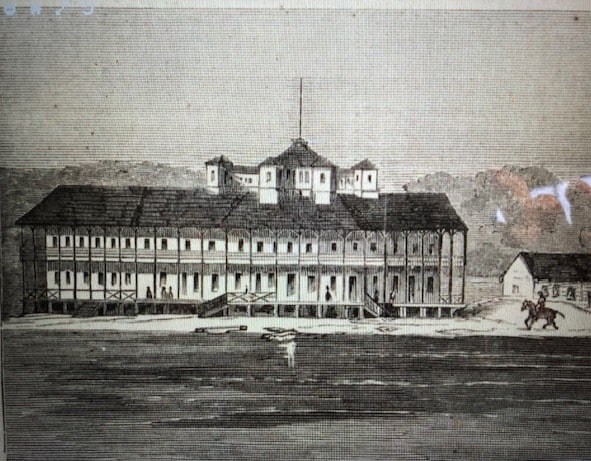
I thought they said it was a hotel filled with civilians.
Posted on 5/6/26 at 6:17 pm to SlowFlowPro
quote:
There is that pesky strawman fallacy again
Go on....
Posted on 5/6/26 at 6:21 pm to HailHailtoMichigan!
Slavery was on its way of getting phased out over the next decade anyway. If you actually believe it was about slavery, you need to expand your knowledge of history.
Posted on 5/6/26 at 6:42 pm to Narax
quote:
Would you concede that in those 6 states the primary cause of the Secession was slavery?
The causes were all very complex. Slavery was of course a major reason.
Based on the article that was posted in continuations here, Tariffs are an objectively PROVEN cause of the war. "Proven" because there were threats of secession several times in the 19th century before the war - and the reason for these secession threats was clearly Tariffs.
Posted on 5/6/26 at 6:55 pm to Champagne
quote:
I thought they said it was a hotel filled with civilians.
After the battle the confederates claimed it was a hospital (for fighting that hadn't begun?)
I quoted Doubleday's original material.
Moultrie House was next to Fort Moultrie, one of the forts that had just been firing at Doubleday for hours.
As it was a 2 story hotel it would have made an advantageous barracks and observation point for the fort right next to the hotel.
Posted on 5/6/26 at 7:21 pm to Champagne
quote:
The causes were all very complex. Slavery was of course a major reason.
Now do you mean more or less major/proven than tariffs, because the below makes little sense.
quote:
Based on the article that was posted in continuations here,
Which has been withdrawn by the non historian author for reasons unknown.
quote:
Tariffs are an objectively PROVEN cause of the war.
Because,
quote:
"Proven" because there were threats of secession several times in the 19th century before the war - and the reason for these secession threats was clearly Tariffs.
Dead people's threats that were not followed through on is a stronger indicator of motive than the express written words of the people who actually voted to seceed?
Do you consider slavery to be a proven cause?
This post was edited on 5/6/26 at 7:22 pm

 Page 16 of 22

Popular
Back to top
 Follow TigerDroppings for LSU Football News