




- My Forums
- Tiger Rant
- LSU Recruiting
- SEC Rant
- Saints Talk
- Pelicans Talk
- More Sports Board
- Fantasy Sports
- Golf Board
- Soccer Board
- O-T Lounge
- Tech Board
- Home/Garden Board
- Outdoor Board
- Health/Fitness Board
- Movie/TV Board
- Book Board
- Music Board
- Political Talk
- Money Talk
- Fark Board
- Gaming Board
- Travel Board
- Food/Drink Board
- Ticket Exchange
- TD Help Board
Customize My Forums- View All Forums
- Show Left Links
- Topic Sort Options
- Trending Topics
- Recent Topics
- Active Topics
Started By
Message
re: Olde World Shanghai 1940s [color Remastered]-w/ Olde Roman Architecture / Elect Trams
Posted on 8/23/22 at 11:56 am to SlowFlowPro

Posted on 8/23/22 at 11:56 am to SlowFlowPro
There’s literal documentation for every building still standing. Many were built in the early 20th. 
This post was edited on 8/23/22 at 11:56 am
 2
2


Posted on 8/23/22 at 11:56 am to Fun Bunch
quote:
Many were built in the early 20th.
hundreds of years, bro

Posted on 8/23/22 at 12:00 pm to SlowFlowPro
Tbh, I don’t think the current historical narratives about pre-Columbian America are correct. There are simply too many depictions of Western Hemisphere foods (particularly corn and turkeys) in the ancient classical and pre-classical world for that narrative to hold up. Once you start looking, it’s hard to miss just how many corn plants are depicted in ancient art of Egypt, Sumer, Assyria, and even Rome.
Our current narrative has no explanation for the massive ancient copper mines in the Great Lakes region. Especially when there are no known pre-columbian bronze age civilizations in the Americas outside of the Inca. That copper had to have been mined by someone and it had to go somewhere.
With that said, using the mud flood ideology to question the historical narrative can be a fun exercise. While most of the historical narrative really does hold up to this kind of scrutiny, taking that level of scrutiny to so many things ends up shining a light on the items that actually don’t belong. There are little details of history that simply do not jive with the archaeological record. So much of the Historical narrative seems to be more conjecture than evidence based. So many anomalous structures, artifacts, and artwork shows that there are clearly gaps which our current narrative fails to explain.
We need to examine those gaps to find the truth rather than shun all of those asking questions as silly conspiracy theorists. Some questions are silly, and most questions have rational answers. But, in asking the “silly” questions, one occasionally stumbles upon ones where there are no easy answers.
Our current narrative has no explanation for the massive ancient copper mines in the Great Lakes region. Especially when there are no known pre-columbian bronze age civilizations in the Americas outside of the Inca. That copper had to have been mined by someone and it had to go somewhere.
With that said, using the mud flood ideology to question the historical narrative can be a fun exercise. While most of the historical narrative really does hold up to this kind of scrutiny, taking that level of scrutiny to so many things ends up shining a light on the items that actually don’t belong. There are little details of history that simply do not jive with the archaeological record. So much of the Historical narrative seems to be more conjecture than evidence based. So many anomalous structures, artifacts, and artwork shows that there are clearly gaps which our current narrative fails to explain.
We need to examine those gaps to find the truth rather than shun all of those asking questions as silly conspiracy theorists. Some questions are silly, and most questions have rational answers. But, in asking the “silly” questions, one occasionally stumbles upon ones where there are no easy answers.

Posted on 8/23/22 at 12:00 pm to SlowFlowPro
I still can't figure out what sort of fantastical skills and technology he believes it would have taken to build late 19th to early 20th century buildings, in the late 19th to early 20th century, such that he thinks there's NO WAY it could have occurred under the narrative we've all been fed.
Posted on 8/23/22 at 12:02 pm to Y.A. Tittle
quote:
I still can't figure out what sort of fantastical skills and technology he believes it would have taken to build late 19th to early 20th century buildings, in the late 19th to early 20th century,
I think he honestly thinks that style is literal Roman and it was a thousand years old by the time it was filmed.
He clearly doesn't understand that is literally the style of the late imperial era.

Posted on 8/23/22 at 12:03 pm to Fun Bunch
quote:
Wikipedia has articles on almost every building. Several articles include details of construction, when they were finished, who occupied it and when, the architect is included for some.
I have been all OVER Wiki and countless building "histories.
I acknowledged their entries. VERY inconsistent. *Some* details incl. Mostly very basic details, info and docs. But sorely lacking and/or vague OR NOT AVAILABLE AT ALL. They obviously must also including dovetailing all the dates (and INEVITABLE FIRES if you've noticed.)
So researchers is left to accept bare bones "histories". (Not only of specific buildings, but of entire towns / cities.)
"THIS is how it happened. It should suffice. No further need to scrutinize our narrative too too closely".
I have scrutinized entries, FB. It's 95% bogus. Wiki is given its info-data script as to how and what can or should be divulged.
Stuff like TtHIS happens: They often attribute credit of SEVERAL buildings to one single solitary "builders". If saves "research time". A true Wiki example: 18 buildings were credited to the same builder...IN 18 YEARS. Needless to say, IMPOSSIBLE But they need to cobble narratives, don't they?
Still not provided:
Sources of material
Blueprints
Engineering
Construction Methods
Work Force
Expertise
Justifications
Sponsors / Finances
Etc
Posted on 8/23/22 at 12:04 pm to Y.A. Tittle
He rarely ever answers what he’s getting at in these threads.
Posted on 8/23/22 at 12:04 pm to SlowFlowPro
quote:
I think he honestly thinks that style is literal Roman and it was a thousand years old by the time it was filmed.
He clearly doesn't understand that is literally the style of the late imperial era.
And much of it is little more than just a facade to mimic such style. These supposed Roman stone columns, are usually little more than simple brick or even wood, covered in plaster.
Posted on 8/23/22 at 12:06 pm to Liberator
I’ll ask you again:
What are you getting at SPECIFICALLY
What are you getting at SPECIFICALLY
Posted on 8/23/22 at 12:06 pm to Fun Bunch
quote:
He rarely ever answers what he’s getting at in these threads.
The last time brick-gate was posted about, I posted Fort Rodney in St. Lucia and was waiting for his response...never happened.
This post was edited on 8/23/22 at 12:07 pm


Posted on 8/23/22 at 12:06 pm to Liberator
quote:LOL
Liberator
dude youre out of your element
Posted on 8/23/22 at 12:07 pm to SlowFlowPro
quote:
He clearly doesn't understand that is literally the style of the late imperial era.
Where did you find, "late imperial era"? Is that an official "historical accurate" label? Or are you taking a stab at it?
"History" or "Narrative" describes this kind of architecture as "Romanesque". There is NO evidence that it is indeed "Roman". That's one more historical narrative of building that we've all been taught to accept.

Posted on 8/23/22 at 12:07 pm to kingbob
quote:
So many anomalous structures, artifacts, and artwork shows that there are clearly gaps which our current narrative fails to explain.

That you, Scott?
Posted on 8/23/22 at 12:07 pm to Liberator
quote:
18 buildings were credited to the same builder...IN 18 YEARS.
Do you think the builder was doing the building himself?
Posted on 8/23/22 at 12:08 pm to Y.A. Tittle
I think one thing that drives this sort of thinking is the vast difference in detail seen in guilded age neo-classical buildings compared to post-war architecture.
These buildings of that time period are incredibly ornate. There’s so much marble, filigree, gold leaf, etc. It’s as if every square inch was made with the utmost skill and craftsmanship.
You don’t see that in post WWII architecture, which tends to be bland, boring, minimalist, and feels mass-produced and artificial…cheap.
One naturally ponders as to how quickly one could reasonably have built some of these structures. This is due to how protracted large building projects have become today due to regulations which absolutely strangle modern infrastructure construction. They see these huge cities of ornate buildings and imagine that it must have taken centuries to build them, when it likely only took a few decade. The last 30 years of living in America have been unusually static with regards to construction, and so they assume that is the norm (as it’s all they’ve ever known).
The reality is that post war architecture exists because it’s cheaper, because the world’s population experienced an unprecedented boom, because so much of the old world’s infrastructure was destroyed by war, and because many of the architects and city planners were a-hole communist utopians.
These buildings of that time period are incredibly ornate. There’s so much marble, filigree, gold leaf, etc. It’s as if every square inch was made with the utmost skill and craftsmanship.
You don’t see that in post WWII architecture, which tends to be bland, boring, minimalist, and feels mass-produced and artificial…cheap.
One naturally ponders as to how quickly one could reasonably have built some of these structures. This is due to how protracted large building projects have become today due to regulations which absolutely strangle modern infrastructure construction. They see these huge cities of ornate buildings and imagine that it must have taken centuries to build them, when it likely only took a few decade. The last 30 years of living in America have been unusually static with regards to construction, and so they assume that is the norm (as it’s all they’ve ever known).
The reality is that post war architecture exists because it’s cheaper, because the world’s population experienced an unprecedented boom, because so much of the old world’s infrastructure was destroyed by war, and because many of the architects and city planners were a-hole communist utopians.
Posted on 8/23/22 at 12:10 pm to SlowFlowPro
To quote Louis CK, it is amazing what you can accomplish when you literally do not give a frick about the cost in human lives.
Posted on 8/23/22 at 12:10 pm to Liberator
quote:
Where did you find, "late imperial era"? Is that an official "historical accurate" label?
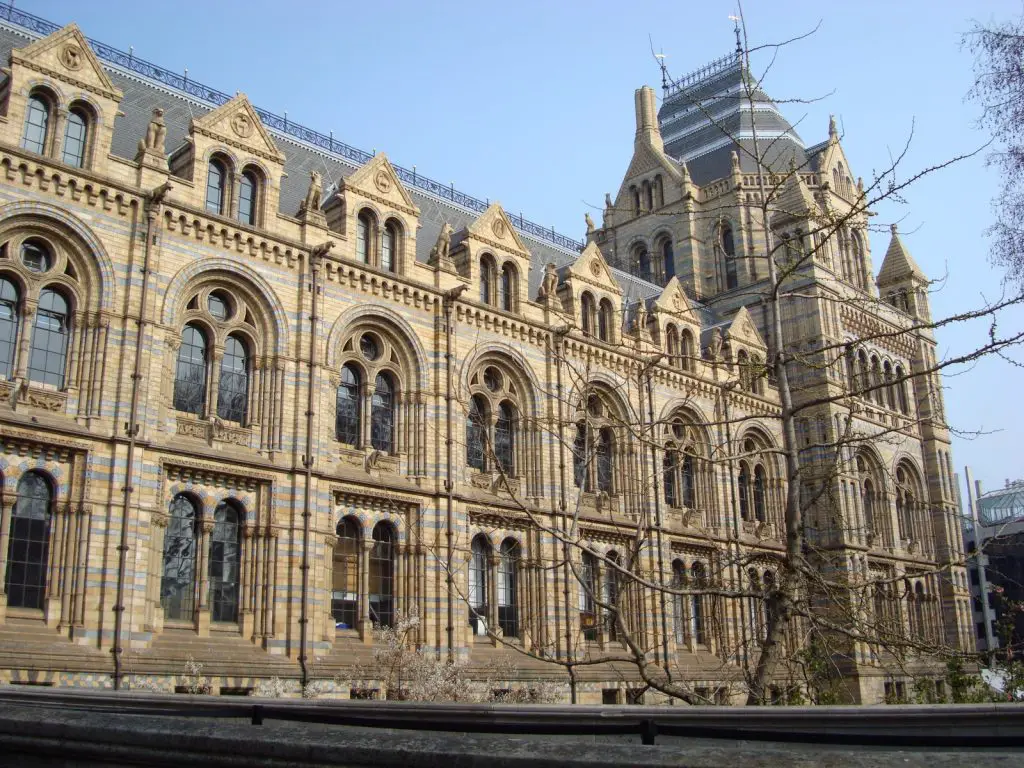
This is some Victorian Era architecture:
:max_bytes(150000):strip_icc()/GettyImages-1085155108-ba49162c7af84762a6fc801bb147cf19.jpg)

Or the Edwardian Era. Look familiar?

What seems so out of place in Shanghai compared to the contemporary British styles?
Posted on 8/23/22 at 12:13 pm to kingbob
quote:
One naturally ponders as to how quickly one could reasonably have built some of these structures. This is due to how protracted large building projects have become today due to regulations which absolutely strangle modern infrastructure construction. They see these huge cities of ornate buildings and imagine that it must have taken centuries to build them, when it likely only took a few decade. The last 30 years of living in America have been unusually static with regards to construction, and so they assume that is the norm (as it’s all they’ve ever known).
The reality is that post war architecture exists because it’s cheaper, because the world’s population experienced an unprecedented boom, because so much of the old world’s infrastructure was destroyed by war, and because many of the architects and city planners were a-hole communist utopians.
This is actually a topic that I would find at least as interesting as the fantastical musings of Liberator - which I do indeed find interesting.
Posted on 8/23/22 at 12:13 pm to Liberator
quote:
describes this kind of architecture as "Romanesque".
Well, you being completely wrong about this explains the rest of your "argument"
THIS is Romanesque architecture:



Posted on 8/23/22 at 12:16 pm to Y.A. Tittle
Here are some representative styles of architecture that make NO sense in the timelime OR narrative:
Japan(!):
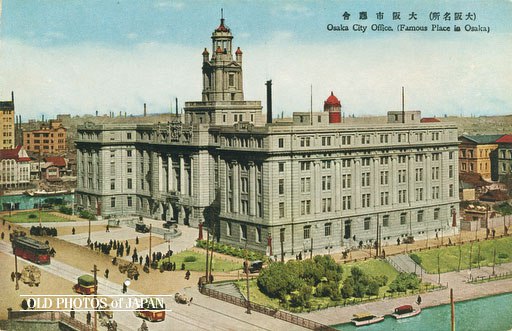


South Africa:


Singapore
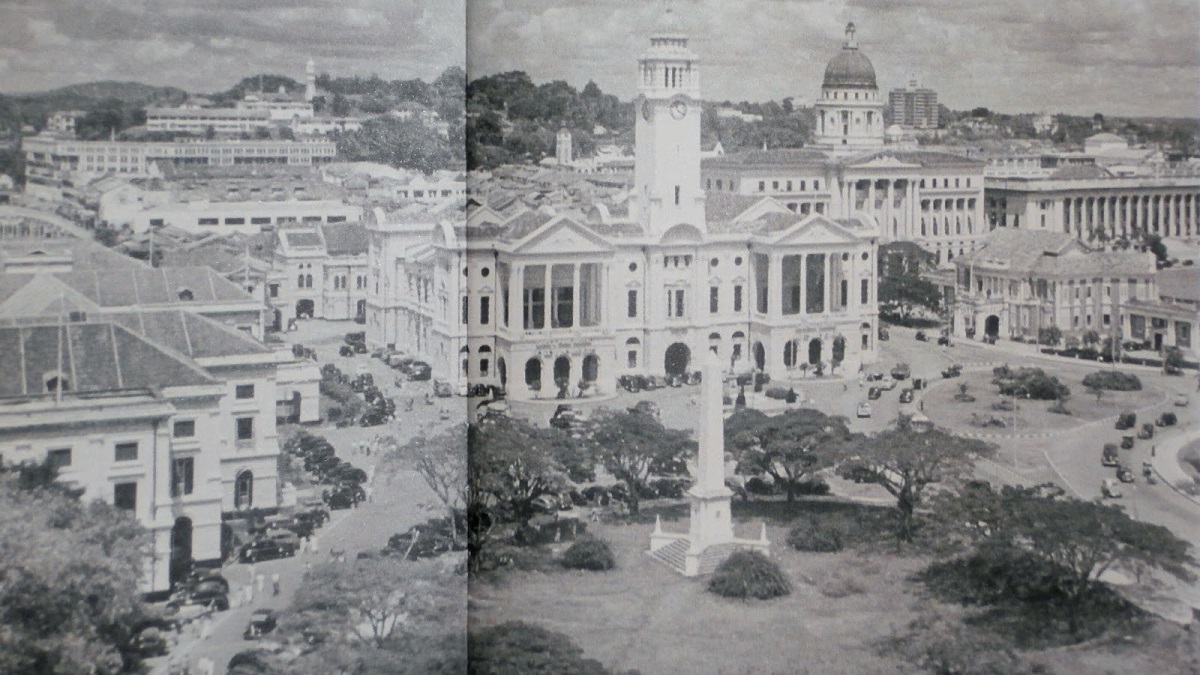
Kenya
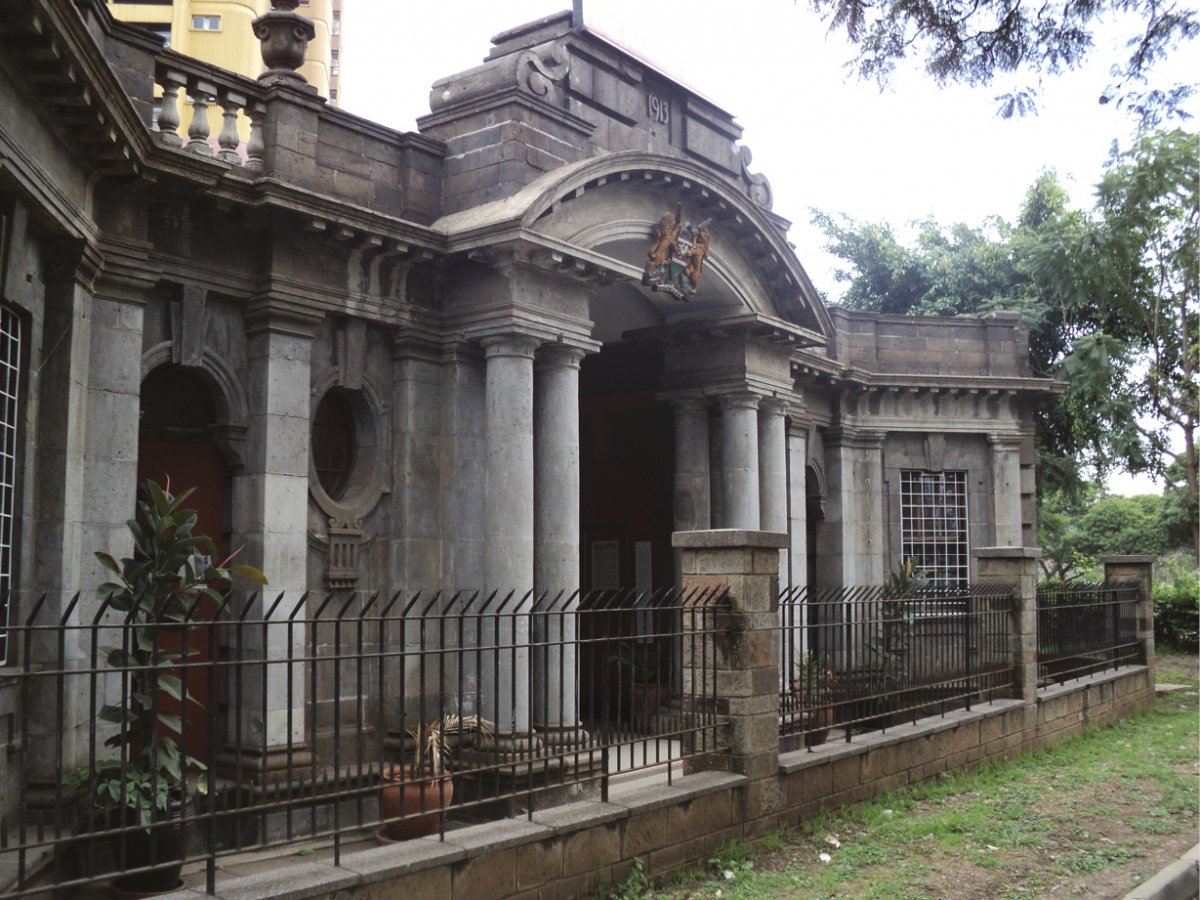 >
>
And on and on.
Shanghai is hardly the exception.
If you're interested in the question as well as other building around the world that appear to use the "same blueprints".
Similar style buildings are all over the world. Were they built by our civilization?
Japan(!):
South Africa:
Singapore
Kenya
And on and on.
Shanghai is hardly the exception.
If you're interested in the question as well as other building around the world that appear to use the "same blueprints".
Similar style buildings are all over the world. Were they built by our civilization?

 Page 3 of 8

Popular
Back to top
 Follow TigerDroppings for LSU Football News