




- My Forums
- Tiger Rant
- LSU Recruiting
- SEC Rant
- Saints Talk
- Pelicans Talk
- More Sports Board
- Fantasy Sports
- Golf Board
- Soccer Board
- O-T Lounge
- Tech Board
- Home/Garden Board
- Outdoor Board
- Health/Fitness Board
- Movie/TV Board
- Book Board
- Music Board
- Political Talk
- Money Talk
- Fark Board
- Gaming Board
- Travel Board
- Food/Drink Board
- Ticket Exchange
- TD Help Board
Customize My Forums- View All Forums
- Show Left Links
- Topic Sort Options
- Trending Topics
- Recent Topics
- Active Topics
Started By
Message
re: Covid: outside the box thinking - hemoglobin/ Vit D/ “host-centric” (and why that matters)
Posted on 4/14/20 at 9:10 am to Tiguar

Posted on 4/14/20 at 9:10 am to Tiguar
quote:
I’ve had a very strong suspicion for awhile now that anemic patients do very poorly with this. I thought it was primarily due to the severe pneumonia impairing oxygen delivery but this makes sense
Commander Data got at least two "bags of brown stuff" for anemia.
 0
0

Posted on 4/14/20 at 9:18 am to lsupride87
quote:
I had no idea how many people are just ok with walking around with blood pressure at like 150/95 and shite
Wouldnt you feel like shite?
Not necessarily -- that's why it's called The Silent Killer.


Posted on 4/14/20 at 11:00 am to ThinePreparedAni
quote:
the current medical system is that it views things in isolation (very reductionist)
Exhibit A...
https://www.nytimes.com/video/us/100000007082510/coronavirus-treatment.html
quote:
‘What Disease Are We Treating?’: Why Coronavirus Is Stumping Many Doctors
By Robin Stein and Ainara Tiefenthäler •April 14, 2020
Doctors say the coronavirus is challenging core tenets of medicine, leading some to abandon long-established ventilator protocols for certain patients. But other doctors warn this could be dangerous.
Here is the problem:
They can’t see beyond the box they are in
When someone outside the box makes a recommendation, it is shot down because it is not part of the inside the box construct(s)
The obvious response is that other factors are in play (factors for which there is no evidence based medicine (yet) because those factors have been discounted and/or not viewed in a complex system manner).
Yet few want to acknowledge those factors (easier to claim that since there is no evidence, it does not exist to them...). While also acknowledging they do not fully understand what is going on...

This post was edited on 4/14/20 at 11:34 am

Posted on 4/14/20 at 11:04 am to ThinePreparedAni
quote:
When someone outside the box make a recommendation, it is shot down because it is not part of the inside the box construct m
Doctors stay in the box to make money and avoid losing money (CYA themselves to keep from getting sued).
Posted on 4/15/20 at 12:23 pm to ThinePreparedAni
I thought of this thread last night.
I was talking with a friend of mine that is a supervisor over certain medical staff that are working in nursing homes. They have people in 8 or 10 homes in Louisiana and Mississippi. Out of the blue she tell me that they have noticed that the COVID positive residents in their homes that are taking dialysis are not getting severely sick. They were really worried about them as they are traditionally their sickest residents but they have not lost a single COVID positive resident on dialysis.
Since dialysis filters the blood I wonder if it to removes CO2?
I was talking with a friend of mine that is a supervisor over certain medical staff that are working in nursing homes. They have people in 8 or 10 homes in Louisiana and Mississippi. Out of the blue she tell me that they have noticed that the COVID positive residents in their homes that are taking dialysis are not getting severely sick. They were really worried about them as they are traditionally their sickest residents but they have not lost a single COVID positive resident on dialysis.
Since dialysis filters the blood I wonder if it to removes CO2?
Posted on 4/15/20 at 12:29 pm to ThinePreparedAni
quote:
Outsiders in general tend to be more disruptive (in a positive manner) in systems entrenched in dogma and group think...
That is why Stephen Wolfram is so interesting. He has all the academic physicists crying all the time.
Posted on 4/15/20 at 12:42 pm to I B Freeman
quote:
I was talking with a friend of mine that is a supervisor over certain medical staff that are working in nursing homes. They have people in 8 or 10 homes in Louisiana and Mississippi. Out of the blue she tell me that they have noticed that the COVID positive residents in their homes that are taking dialysis are not getting severely sick. They were really worried about them as they are traditionally their sickest residents but they have not lost a single COVID positive resident on dialysis. Since dialysis filters the blood I wonder if it to removes CO2?
Interesting
Many of these folks typically have a myriad of issues (HTN and DM). They should be high risk folks in general. I think there have been reports from other facilities that these folks are indeed being impacted by Covid
If we are spitballing:
Some/most are on therapeutics for anemia (kidney is instrumental in signaling to make RBCs). They may be getting blood products at the time of dialysis or on erythropoietin (boosting RBC production). Many of these folks are on supplements (including Vit D)
Posted on 4/15/20 at 12:48 pm to ThinePreparedAni
Do you think the dialysis machine is removing CO2? Could it sort of be acting like the hemolung?
Posted on 4/15/20 at 12:52 pm to I B Freeman
quote:
Do you think the dialysis machine is removing CO2? Could it sort of be acting like the hemolung?
Not my area of expertise. I think it depends on the machine and settings.
If anyone has detailed experience with dialysis/dialysis technology, please feel free to chime in
Posted on 4/18/20 at 4:55 pm to ThinePreparedAni
https://m.youtube.com/watch?feature=youtu.be&v=45rlZGRz6Qo
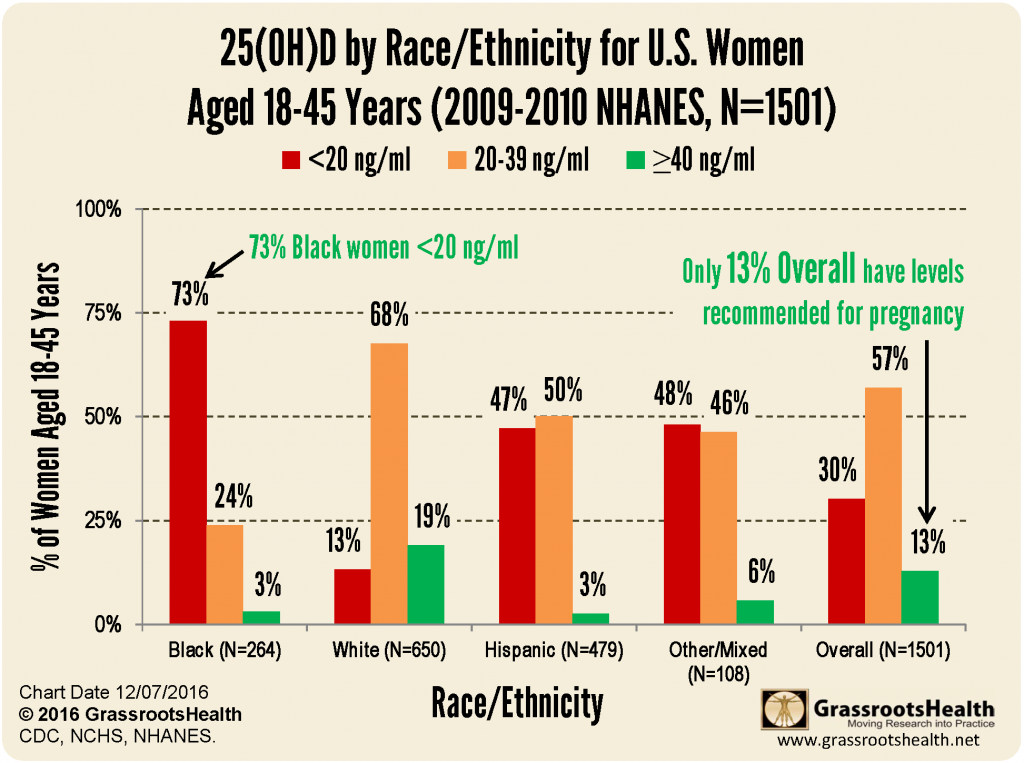
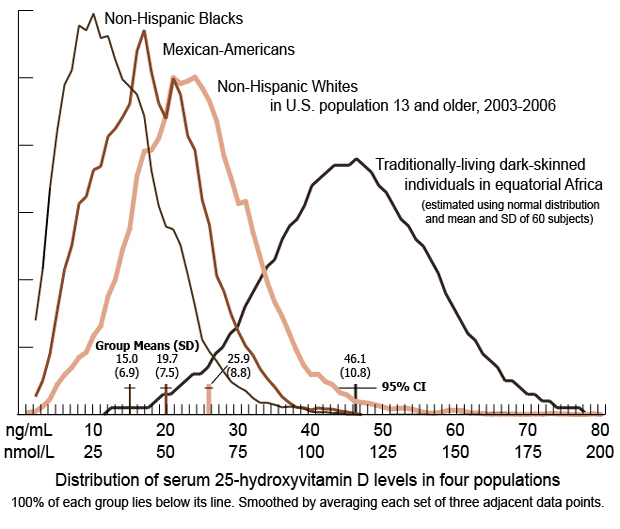
Again, this important because most of the populace is Vit D deficient (in part to modern indoor constructs and “wise” institutions that tell you to avoid the sun...) . The darker your skin, the worse the deficiency tends to be...
quote:
Vitamin D may reduce susceptibility to COVID-19-associated lung injury
10,997 views 230 3 Share Save Report FMF Clips 33.3K subscribers
SUBSCRIBE
Published on Apr 16, 2020
Maintaining a healthy vitamin D status, an imminently solvable but often ignored problem, may turn out to be an important factor in protecting against susceptibility to lung injury in COVID-19. Learn more in this short clip taken from a COVID-19 Q&A with Dr. Rhonda Patrick. This clip was taken from the the FoundMyFitness COVID-19 Q&A #1 with Rhonda Patrick found at LINK
Again, this important because most of the populace is Vit D deficient (in part to modern indoor constructs and “wise” institutions that tell you to avoid the sun...) . The darker your skin, the worse the deficiency tends to be...

Posted on 4/19/20 at 4:01 pm to ThinePreparedAni
https://www.wsj.com/articles/vitamin-d-and-coronavirus-disparities-11587078141
quote:
Vitamin D and Coronavirus Disparities
Supplements may promote immunity, especially in people with darker skin.
By Vatsal G. Thakkar
April 16, 2020 7:02 pm ET
Black Americans are dying of Covid-19 at a higher rate than whites. Socioeconomic factors such as gaps in access to health care no doubt play a role. But another possible factor has been largely overlooked: vitamin D deficiency that weakens the immune system.
Researchers last week released the first data supporting this link. They found that the nations with the highest mortality rates—Italy, Spain and France—also had the lowest average vitamin D levels among countries affected by the pandemic.
...
quote:
Vitamin D is produced by a reaction in the skin to the ultraviolet rays in sunlight. Many Americans are low in vitamin D, but those with darker skin are at a particular disadvantage because melanin inhibits the vitamin’s production. As an Indian-American, my skin type is Fitzpatrick IV, or “moderate brown.” Compared with my white friends, I need double or triple the sun exposure to synthesize the same amount of vitamin D, so I supplement with 5,000 international units of vitamin D3 daily, which maintains my level in the normal range. Most African-Americans are Fitzpatrick type V or VI, so they would need even more.
Reductionists are discounting that warmer weather “will kill the virus” because they may be neglecting the factors that impact the host (better weather -> more sun-> improved host Vit D production).
Another factor to consider was that initial hot spots were in areas of smog (Wuhan and urban areas) and initially the grungy Pacific Northwest (higher latitudes, more cloud cover typically). New York fits those criteria also. NOLA is an outlier because of how crappy the health of the host is at baseline and it is also “chocolate city”...

Posted on 4/19/20 at 4:20 pm to TigerSprings
quote:
Men never renew their blood,
This isn't true.
Posted on 4/23/20 at 9:16 am to ThinePreparedAni
https://news.liverpool.ac.uk/2020/04/21/covid-19-vitamin-d-and-latitude/
>20 to 30 is "normal" or common (better term)
Some argue 40-60 is optimal
This is a modernity problem...
quote:
COVID-19, vitamin D and latitude
Emeritus Professor of Medicine Jonathan M Rhodes, University of Liverpool’s Department of Cellular and Molecular Physiology
Dr Sreedhar Subramanian, University of Liverpool’s Department of Cellular and Molecular Physiology
Eamon Laird, The Irish Longitudinal Study on Ageing, School of Medicine, Trinity College Dublin
Professor Rose Anne Kenny, Department of Medical Gerontology, Mercers Institute for Ageing, St James Hospital
Editorial originally published in The journal Alimentary Pharmacology and Therapeutics:
quote:
There are marked variations in mortality from COVID-19 between different countries. It is becoming clear that countries in the Southern Hemisphere are seeing a relatively low mortality. It could be argued that the virus spread later to the Southern Hemisphere and that countries there are simply behind those in the Northern Hemisphere but as time goes by this argument looks increasingly weak.
In Australia 100 cases were reported by 10th March, 1000 by 21st March; in the UK the first 100 had been reported by 5th March and the first 1000 by 14th March, just one week earlier. If one compares the mortality (68 per million) in the UK by 3rd April with the mortality (2 per million) in Australia by 10th April there is still a huge discrepancy.
When mortality per million is plotted against latitude it can be seen that all countries that lie below 35 degrees North have relatively low mortality. Thirty-five degrees North also happens to be the latitude above which people do not receive sufficient sunlight to retain adequate vitamin D levels during winter. This suggests a possible role for vitamin D in determining outcomes from COVID-19.
There are outliers of course – mortality is relatively low in Nordic countries – but there vitamin D deficiency is relatively uncommon, probably due to widespread use of supplements. Italy and Spain, perhaps surprisingly, have relatively high prevalence of vitamin D deficiency. Vitamin D deficiency has also been shown to correlate with hypertension, diabetes, obesity, and ethnicity – all features associated with increased risk of severe COVID-19.
There are considerable experimental data showing that vitamin D is important in regulating and suppressing the inflammatory cytokine response of respiratory epithelial cells and macrophages to various pathogens including respiratory viruses. Evidence that vitamin D might protect against infection is modest but it is important to note that the hypothesis is not that vitamin D would protect against SARS-CoV-2 infection but that it could be very important in preventing the cytokine storm and subsequent Acute Respiratory Distress Syndrome that is commonly the cause of mortality.
Research is urgently needed to assess whether there may be a correlation between vitamin D status and severity of COVID-19 disease. Meanwhile the evidence supporting a protective effect of vitamin D against severe COVID-19 disease is very suggestive, a substantial proportion of the population in the Northern Hemisphere will currently be vitamin D deficient, and supplements e.g. 1000 international units per day are very safe. It is time for governments to strengthen recommendations for vitamin D intake and supplementation, particularly when under lock-down.”
>20 to 30 is "normal" or common (better term)
Some argue 40-60 is optimal
This is a modernity problem...
This post was edited on 4/23/20 at 9:20 am
Posted on 4/23/20 at 10:27 am to ThinePreparedAni
Background on skin pigment and vit D:
muh, selective pressure is racist...
https://www.nasw.org/article/vitamin-d-levels-determined-how-human-skin-color-evolved
muh, selective pressure is racist...
https://www.nasw.org/article/vitamin-d-levels-determined-how-human-skin-color-evolved
quote:
Vitamin D levels determined how human skin color evolved
By John Arnst
quote:
It may seem the sun wages a constant war against our skin. Harmful UV radiation burns us, damages our DNA, and can sow the seeds for melanoma. But the sun is essential to our healthy development and our immune systems, because sun-exposed skin produces Vitamin D. During the long-ranging human exodus from Africa, says anthropologist Nina Jablonski, Vitamin D levels in the body played a key role: driving the evolution of our species' skin color.
“The sunshine vitamin,” as Jablonski calls Vitamin D, is central to understanding the relationship between skin color and geography, she said during a February 16 symposium at the American Association for the Advancement of Science meeting in Boston. She described her thesis in full in her latest book, Living Color: The Biological and Social Meaning of Human Skin Color.
Living Color
In her latest book, anthropologist Nina Jablonski describes the connections between skin color and Vitamin D. Credit: University of California Press (Get a 29% discount on this book from the NASW Bookstore on Amazon.com).
With receptors located in the cells of many major organs and in the immune system, Vitamin D helps in calcium absorption and prevents aberrant cell division. UVB radiation catalyzes its creation in our skin.
According to Jablonski, “there is a conspicuous geographical pattern” between skin color and distance from the equator. At more northern or southern latitudes, the level of UVB rays hitting Earth’s surface decreases due to the planet’s tilt. The equator is bathed year-round in UVB rays, but seasonal variations mean that people in Northern Europe receive virtually no UVB exposure in winters.
As a result, Jablonski said, humans living near the equator developed darker skin tones, while those in northern climates developed lighter hues. High humidity also decreases UVB levels, as marked by the contrast between skin tones of early humans living in dry equatorial Africa and moist equatorial South America.
The dearth of UVB rays in northern climates put positive evolutionary pressure on early migratory humans to ramp up Vitamin D production, Jablonski noted. And indeed, fair-skinned people of European descent are nearly six times more efficient at making Vitamin D from UVB rays than those living near the equator.
Different types of melanin pigments in skin trigger these variations. In dark-skinned people, eumelanin is dominant and acts as a natural sunscreen; fairer-skinned individuals have much more pheomelanin. However, while pheomelanin produces vitamin D efficiently, its reaction with high levels of UVB also makes dangerous free radicals — which damage skin cells over time.
Failing to produce adequate levels of Vitamin D can cause physical deformities, including painful distension of the pelvic bones in women — and severe complications during childbirth. But even with persistent UV exposure, malignant melanoma doesn’t set in until later in life. Its effect on reproductive success would have been almost nonexistent, Jablonski stated.
The process of long-term skin lightening, known as “depigmentation,” occurred due to a series of mutations in a gene called SCL24A5, Jablonski said. That gene controls the size of melanin packets in skin and the types of melanin produced.
Posted on 4/23/20 at 10:37 am to ThinePreparedAni
I am adding this for context (general write up on vit D and the "controversy" of sun exposure)
Think of the hubris in advising people to avoid something that has been part of evolutionary heritage (but sadly, this is the top down standard)
But here we are (and this background is important) with overreach recommendations coming from the reductionist point of view of tunnel vision understanding (stay home, shut it all down)
Modernity problems indeed...
https://www.outsideonline.com/2380751/sunscreen-sun-exposure-skin-cancer-science?_ke=eyJrbF9lbWFpbCI6ICJrZWxseWJvdWRyZWF1eGpyQG1lLmNvbSIsICJrbF9jb21wYW55X2lkIjogIm15NzV5NiJ9
"Breathe"
Breathe, breathe in the air
Don't be afraid to care
Leave, don't leave me
Look around, choose your own ground
Long you live and high you fly
Smiles you'll give and tears you'll cry
And all you touch and all you see
Is all your life will ever be
Run, rabbit, run
Dig that hole, forget the sun
When at last the work is done
Don't sit down, it's time to dig another one
Long you live and high you fly
But only if you ride the tide
Balanced on the biggest wave
Race towards an early grave
Think of the hubris in advising people to avoid something that has been part of evolutionary heritage (but sadly, this is the top down standard)
But here we are (and this background is important) with overreach recommendations coming from the reductionist point of view of tunnel vision understanding (stay home, shut it all down)
Modernity problems indeed...
https://www.outsideonline.com/2380751/sunscreen-sun-exposure-skin-cancer-science?_ke=eyJrbF9lbWFpbCI6ICJrZWxseWJvdWRyZWF1eGpyQG1lLmNvbSIsICJrbF9jb21wYW55X2lkIjogIm15NzV5NiJ9
quote:
Rowan Jacobsen Jan 10, 2019
Is Sunscreen the New Margarine?
Current guidelines for sun exposure are unhealthy and unscientific, controversial new research suggests—and quite possibly even racist. How did we get it so wrong?
quote:
These are dark days for supplements. Although they are a $30-plus billion market in the United States alone, vitamin A, vitamin C, vitamin E, selenium, beta-carotene, glucosamine, chondroitin, and fish oil have now flopped in study after study.
If there was one supplement that seemed sure to survive the rigorous tests, it was vitamin D. People with low levels of vitamin D in their blood have significantly higher rates of virtually every disease and disorder you can think of: cancer, diabetes, obesity, osteoporosis, heart attack, stroke, depression, cognitive impairment, autoimmune conditions, and more. The vitamin is required for calcium absorption and is thus essential for bone health, but as evidence mounted that lower levels of vitamin D were associated with so many diseases, health experts began suspecting that it was involved in many other biological processes as well. And they believed that most of us weren’t getting enough of it. This made sense. Vitamin D is a hormone manufactured by the skin with the help of sunlight. It’s difficult to obtain in sufficient quantities through diet. When our ancestors lived outdoors in tropical regions and ran around half naked, this wasn’t a problem. We produced all the vitamin D we needed from the sun. But today most of us have indoor jobs, and when we do go outside, we’ve been taught to protect ourselves from dangerous UV rays, which can cause skin cancer. Sunscreen also blocks our skin from making vitamin D, but that’s OK, says the American Academy of Dermatology, which takes a zero-tolerance stance on sun exposure: “You need to protect your skin from the sun every day, even when it’s cloudy,” it advises on its website. Better to slather on sunblock, we’ve all been told, and compensate with vitamin D pills. Yet vitamin D supplementation has failed spectacularly in clinical trials.
Five years ago, researchers were already warning that it showed zero benefit, and the evidence has only grown stronger. In November, one of the largest and most rigorous trials of the vitamin ever conducted—in which 25,871 participants received high doses for five years—found no impact on cancer, heart disease, or stroke. How did we get it so wrong? How could people with low vitamin D levels clearly suffer higher rates of so many diseases and yet not be helped by supplementation?
As it turns out, a rogue band of researchers has had an explanation all along. And if they’re right, it means that once again we have been epically misled. These rebels argue that what made the people with high vitamin D levels so healthy was not the vitamin itself. That was just a marker. Their vitamin D levels were high because they were getting plenty of exposure to the thing that was really responsible for their good health—that big orange ball shining down from above
quote:
When I spoke with Weller, I made the mistake of characterizing this notion as counterintuitive. “It’s entirely intuitive,” he responded. “Homo sapiens have been around for 200,000 years. Until the industrial revolution, we lived outside. How did we get through the Neolithic Era without sunscreen? Actually, perfectly well. What’s counterintuitive is that dermatologists run around saying, ‘Don’t go outside, you might die.’”
quote:
When you spend much of your day treating patients with terrible melanomas, it’s natural to focus on preventing them, but you need to keep the big picture in mind. Orthopedic surgeons, after all, don’t advise their patients to avoid exercise in order to reduce the risk of knee injuries.
Meanwhile, that big picture just keeps getting more interesting. Vitamin D now looks like the tip of the solar iceberg. Sunlight triggers the release of a number of other important compounds in the body, not only nitric oxide but also serotonin and endorphins. It reduces the risk of prostate, breast, colorectal, and pancreatic cancers. It improves circadian rhythms. It reduces inflammation and dampens autoimmune responses. It improves virtually every mental condition you can think of. And it’s free.
"Breathe"
Breathe, breathe in the air
Don't be afraid to care
Leave, don't leave me
Look around, choose your own ground
Long you live and high you fly
Smiles you'll give and tears you'll cry
And all you touch and all you see
Is all your life will ever be
Run, rabbit, run
Dig that hole, forget the sun
When at last the work is done
Don't sit down, it's time to dig another one
Long you live and high you fly
But only if you ride the tide
Balanced on the biggest wave
Race towards an early grave
This post was edited on 4/23/20 at 10:50 am
Posted on 4/24/20 at 7:41 am to ThinePreparedAni
Lots of bad info going around
Trump did himself no favors with his selection of words yd
Still, here is more background
And the hosts response to sunlight (Vit D) production is still being overlooked...
https://medium.com/@ra.hobday/coronavirus-and-the-sun-a-lesson-from-the-1918-influenza-pandemic-509151dc8065

https://www.ncbi.nlm.nih.gov/pmc/articles/PMC4504358/
Trump did himself no favors with his selection of words yd
Still, here is more background
And the hosts response to sunlight (Vit D) production is still being overlooked...
https://medium.com/@ra.hobday/coronavirus-and-the-sun-a-lesson-from-the-1918-influenza-pandemic-509151dc8065
quote:
Coronavirus and the Sun: a Lesson from the 1918 Influenza Pandemic
Richard Hobday Richard Hobday Follow Mar 10 · 6 min read
quote:
But records from the 1918 pandemic suggest one technique for dealing with influenza — little-known today — was effective. Some hard-won experience from the greatest pandemic in recorded history could help us in the weeks and months ahead. Influenza patients getting sunlight at the Camp Brooks emergency open-air hospital in Boston. Medical staff were not supposed to remove their masks. (National Archives) Put simply, medics found that severely ill flu patients nursed outdoors recovered better than those treated indoors. A combination of fresh air and sunlight seems to have prevented deaths among patients; and infections among medical staff.[1] There is scientific support for this. Research shows that outdoor air is a natural disinfectant. Fresh air can kill the flu virus and other harmful germs. Equally, sunlight is germicidal and there is now evidence it can kill the flu virus.
quote:
Sunlight and Influenza Infection Putting infected patients out in the sun may have helped because it inactivates the influenza virus.[7] It also kills bacteria that cause lung and other infections in hospitals.[8] During the First World War, military surgeons routinely used sunlight to heal infected wounds.[9] They knew it was a disinfectant. What they didn’t know is that one advantage of placing patients outside in the sun is they can synthesise vitamin D in their skin if sunlight is strong enough. This was not discovered until the 1920s. Low vitamin D levels are now linked to respiratory infections and may increase susceptibility to influenza.[10] Also, our body’s biological rhythms appear to influence how we resist infections.[11] New research suggests they can alter our inflammatory response to the flu virus.[12] As with vitamin D, at the time of the 1918 pandemic, the important part played by sunlight in synchronizing these rhythms was not known.
https://www.ncbi.nlm.nih.gov/pmc/articles/PMC4504358/
quote:
The Open-Air Treatment of PANDEMIC INFLUENZA
Richard A. Hobday, PhD and John W. Cason, PhD

Posted on 4/24/20 at 8:17 am to ThinePreparedAni


Posted on 4/24/20 at 9:23 am to Tiguar
quote:
I believe zinc works best as a preventative, I don’t think it helps too much once you’re a few days into an illness.
But taking it for a week probably won’t hurt you so if someone wanted it I wouldn’t recommend against it
My wife is really nervous about getting CoVid-19 and wanted a zinc supplement. Amazon was sold out, as was Walmart. I was able to find bulk zinc citrate from a health food supplier and made a fruit pectin candy with 7 grams of zinc citrate and divided into about 300 squares - or about 23 mg per square. Is there any problem with this dosage each day?
Posted on 4/24/20 at 9:55 am to AMS
quote:
your source says bilateral pne is rare which is very false,
If the source would have said somewhat rare, more rare, or atypical, would that have removed the stick from your arse?
Posted on 4/25/20 at 9:46 am to ThinePreparedAni
https://www.newswise.com/coronavirus/dietary-supplements-an-important-weapon-for-fighting-off-covid-19/?article_id=730505
Pathogen centric thinking
Host centric thinking
The answer is that both are synergistic (with host factors being the most important)
The problem is that most resources are being devoted (and depleted) by the pathogen factors
quote:
Dietary supplements an important weapon for fighting off COVID-19
Released: 23-Apr-2020 4:50 PM EDT Source Newsroom: Oregon State University
quote:
CORVALLIS, Ore. - Supplements containing vitamins C and D and other micronutrients, sometimes in amounts exceeding the federally recommended levels, are a safe, effective and low-cost means of helping your immune system fight off COVID-19 and other acute respiratory tract diseases, an Oregon State University researcher says. Findings were published today in the journal Nutrients. Adrian Gombart of OSU's Linus Pauling Institute and collaborators at the University of Southampton (United Kingdom), the University of Otago (New Zealand) and University Medical Center (The Netherlands) say public health officials should issue a clear set of nutritional recommendations to complement messages about the role of hand washing and vaccinations in preventing the spread of infections.
"Around the world, acute respiratory tract infections kill more than 2.5 million people every year," said Gombart, professor of biochemistry and biophysics in the OSU College of Science and a principal investigator at the Linus Pauling Institute. "Meanwhile, there's a wealth of data that shows the role that good nutrition plays in supporting the immune system. As a society we need to be doing a better job of getting that message across along with the other important, more common messages."
Specific vitamins, minerals and fatty acids have key jobs to play in helping your immune system, he says. In particular vitamin C, vitamin D, zinc, and an omega-3 fatty acid found in fish, docosahexaenoic acid, also known as DHA, are critical for immune function. "The roles that vitamins C and D play in immunity are particularly well known," he said. "Vitamin C has roles in several aspects of immunity, including the growth and function of immune cells and antibody production. Vitamin D receptors on immune cells also affect their function. This means that vitamin D profoundly influences your response to infections. "The problem is that people simply aren't eating enough of these nutrients. This could destroy your resistance to infections. Consequently, we will see an increase in disease and all of the extra burdens that go along with that increase." That's why the researchers are urging not only a daily multivitamin, but doses of 200 milligrams or more of vitamin C (higher than the suggested federal guidelines of 75 milligrams for men and 50 for women) and 2,000 international units of vitamin D, rather than the 400 to 800 recommended depending on age.
quote:
"A number of standard public health practices have been developed to help limit the spread and impact of respiratory viruses: regular hand washing, avoiding those showing symptoms of infection, and covering coughs," Gombart said. "And for certain viruses like influenza, there are annual vaccination campaigns." There is no doubt that vaccines, when available, can be effective, but they're not foolproof, he says.
Pathogen centric thinking
quote:
Gombart emphasizes that current public health practices - stressing social distancing, hygiene and vaccinations - are important and effective but in need of complementary strategies. A nutritional focus on the immune system could help minimize the impact of many kinds of infections.
Host centric thinking
The answer is that both are synergistic (with host factors being the most important)
The problem is that most resources are being devoted (and depleted) by the pathogen factors

 Page 5 of 6

Popular
Back to top
 Follow TigerDroppings for LSU Football News