




 4
4









- My Forums
- Tiger Rant
- LSU Recruiting
- SEC Rant
- Saints Talk
- Pelicans Talk
- More Sports Board
- Fantasy Sports
- Golf Board
- Soccer Board
- O-T Lounge
- Tech Board
- Home/Garden Board
- Outdoor Board
- Health/Fitness Board
- Movie/TV Board
- Book Board
- Music Board
- Political Talk
- Money Talk
- Fark Board
- Gaming Board
- Travel Board
- Food/Drink Board
- Ticket Exchange
- TD Help Board
Customize My Forums- View All Forums
- Show Left Links
- Topic Sort Options
- Trending Topics
- Recent Topics
- Active Topics
Started By
Message
Posted on 11/18/22 at 8:15 am to mauser
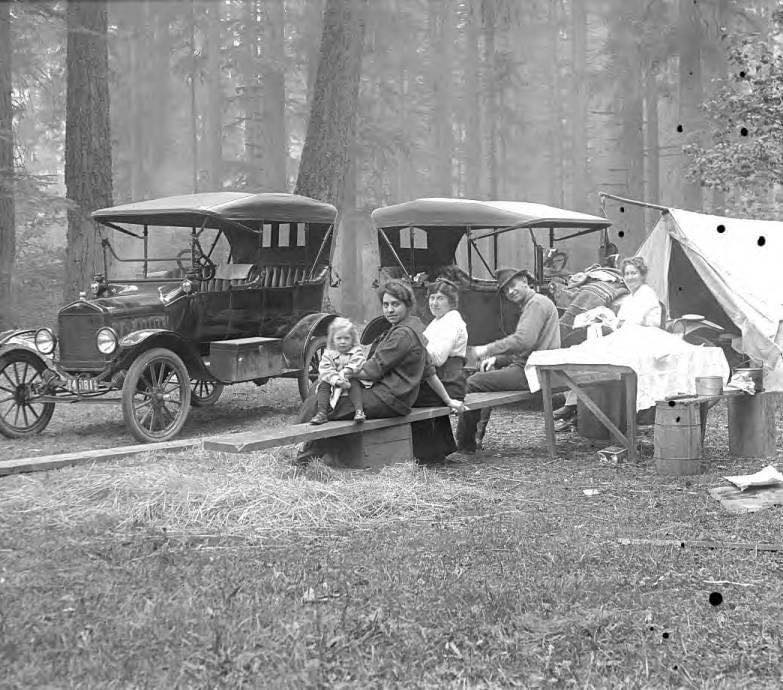
Camping in Oregon, 1918
Posted on 11/18/22 at 8:17 am to mauser
Posted on 11/18/22 at 8:35 am to mauser
quote:
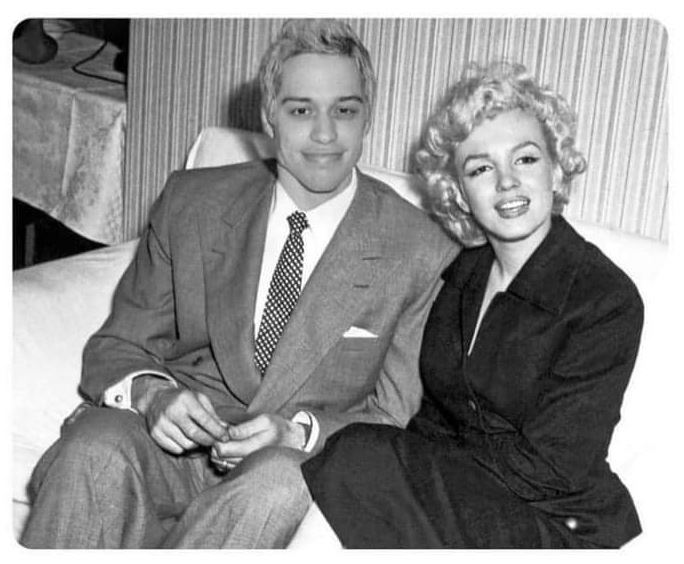
Joe Dimaggio and Marilyn Monroe
You just caused Joe to roll over in his grave.
Posted on 11/18/22 at 6:26 pm to Doormat
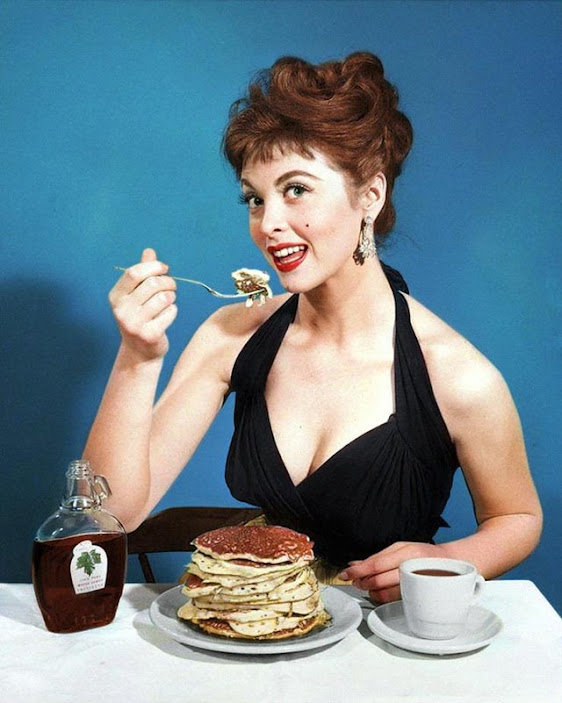
Tina Louise
Posted on 11/18/22 at 6:31 pm to mauser
Gilbert Gottfried

Posted on 11/18/22 at 6:31 pm to Kafka

Posted on 11/18/22 at 6:36 pm to Kafka
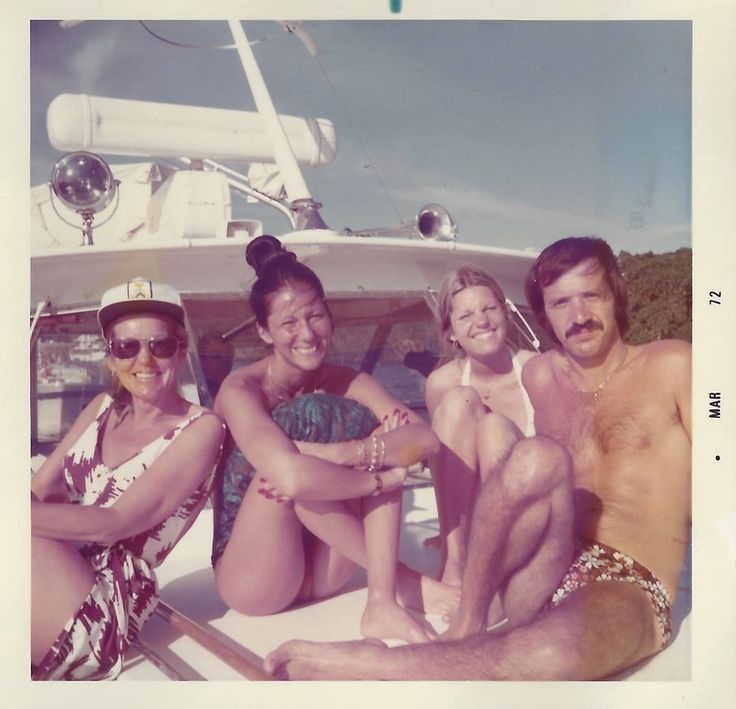
Cher's mother, an almost unrecognizable Cher w/o makeup, Cher's sister, and future congressman Sonny Bono (1972)
Posted on 11/19/22 at 8:02 am to Kafka
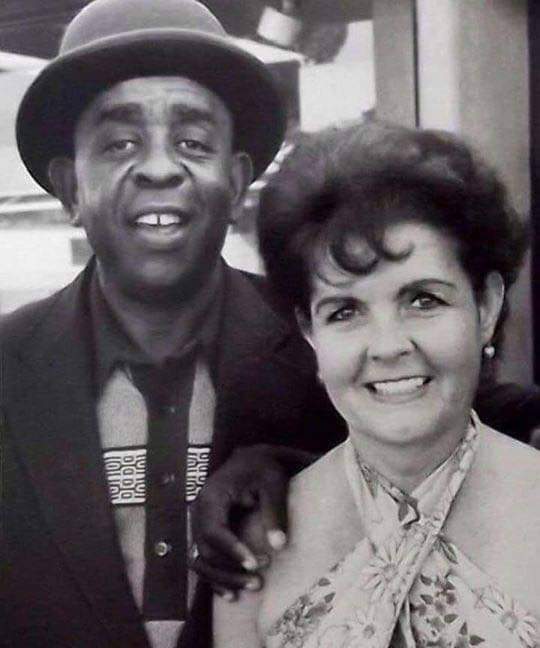
Stymie and Darla
Posted on 11/19/22 at 8:51 am to mauser
1921 Camping trip in Maryland
Henry Ford, Thomas Edison, President WG Harding, Harvey Firestone

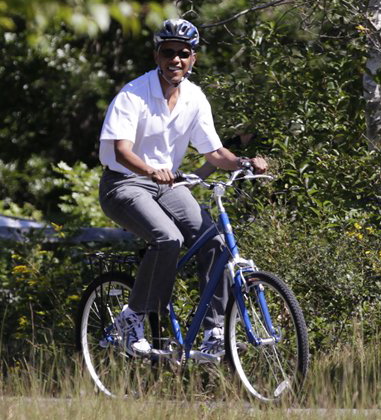
In contrast, BHO relaxing on his mixte frame in Mom jeans
Henry Ford, Thomas Edison, President WG Harding, Harvey Firestone
In contrast, BHO relaxing on his mixte frame in Mom jeans
Posted on 11/19/22 at 9:07 am to soccerfüt
Posted on 11/19/22 at 9:16 am to nes2010
Posted on 11/19/22 at 10:06 am to Kafka

this one would have been better if it had been the Osmond Brothers instead of the Brady Bunch
Posted on 11/19/22 at 6:46 pm to FearlessFreep

Posted on 11/19/22 at 6:47 pm to Kafka

Harry Clarke
Posted on 11/19/22 at 6:48 pm to Kafka

Posted on 11/19/22 at 6:49 pm to Kafka
New York City, 1948. The Public Market at First Avenue and East 73rd Street, an example of the food market in transition.

A typical 19th-century market would have many separate vendors in an open-air space like a town square. By the early 1900s the open-air space had given way to separate vendors under a large shed roof with no walls, often near the train station. Here in this mid-century example the space is now enclosed, but still with separate vendors (green grocer, butcher, dry goods, fishmonger etc.). After the introduction of centralized distribution and self-service for the various product categories, the individual vendors fade from the scene and the market has a new name: “super-market”
A typical 19th-century market would have many separate vendors in an open-air space like a town square. By the early 1900s the open-air space had given way to separate vendors under a large shed roof with no walls, often near the train station. Here in this mid-century example the space is now enclosed, but still with separate vendors (green grocer, butcher, dry goods, fishmonger etc.). After the introduction of centralized distribution and self-service for the various product categories, the individual vendors fade from the scene and the market has a new name: “super-market”
Posted on 11/19/22 at 6:50 pm to Kafka


1969
Posted on 11/19/22 at 6:51 pm to Kafka

Posted on 11/19/22 at 6:52 pm to Kafka


 Page 375 of 1273

Popular
Back to top
 Follow TigerDroppings for LSU Football News