




 1
1




- My Forums
- Tiger Rant
- LSU Recruiting
- SEC Rant
- Saints Talk
- Pelicans Talk
- More Sports Board
- Fantasy Sports
- Golf Board
- Soccer Board
- O-T Lounge
- Tech Board
- Home/Garden Board
- Outdoor Board
- Health/Fitness Board
- Movie/TV Board
- Book Board
- Music Board
- Political Talk
- Money Talk
- Fark Board
- Gaming Board
- Travel Board
- Food/Drink Board
- Ticket Exchange
- TD Help Board
Customize My Forums- View All Forums
- Show Left Links
- Topic Sort Options
- Trending Topics
- Recent Topics
- Active Topics
Started By
Message
Posted on 11/11/21 at 8:05 pm to Kafka
Connie Blake of Bassett, Nebraska, "Miss Stock Grower" of 1969

Posted on 11/11/21 at 8:06 pm to Kafka

Posted on 11/11/21 at 8:30 pm to Kafka
quote:
The Jets, the Pacific Southwest Airlines stewardess basketball team
Front row, back row
Posted on 11/11/21 at 9:15 pm to Nicky Parrish
Zippo lighters engraved by U.S. soldiers during the Vietnam War


LINK
LINK
quote:
the lighters capture a wide range of feelings and opinions about the war, from the obscenity-laden anti-army mottoes of the unwilling draftees, to the simple love notes of the homesick, to the 8 Special Forces emblazoned lighters, conspicuously absent of any further embellishment.
The Vietnam War represented something different from all other American Wars, previous and since. There were the regular army soldiers, many raised by World War II heroes and viewing their job as a duty and privilege. There were victims of fate, the unwilling, drafted by lottery, many poor and minority, resentful of their government and military superiors. And there were those along for the ride, not interested in glory or politics, merely trying to follow orders and earn their ticket home.
Regardless, they were all connected by the Zippo, the utilitarian tool carried by nearly all soldiers since World War II, a symbol of dependability and the rare thing that all soldiers could count on. Used for lighting cigarettes, heating food, illuminating letters from home, or setting fire to huts of suspected VC, Zippos were used so frequently in Search & Destroy missions that GIs nicknamed them “Zippo Missions” or “Zippo Raids.” After purchasing one from the post exchange store for $1.80, a soldier could personalize his lighter at sidewalk tents with one of wide selection of stock designs or a personalized message.
Posted on 11/11/21 at 10:06 pm to Nicky Parrish
1914

Posted on 11/12/21 at 4:41 pm to blueboy

Posted on 11/12/21 at 5:02 pm to blueboy
so does the horse just breathe in the toxic shite and die? Could've made millions patenting a horse gas mask.
Posted on 11/12/21 at 6:25 pm to thotpocket
a mule, but you get the picture:

Posted on 11/12/21 at 8:01 pm to SpotCheckBilly

Posted on 11/12/21 at 8:02 pm to Kafka
1926

Posted on 11/12/21 at 8:07 pm to Kafka
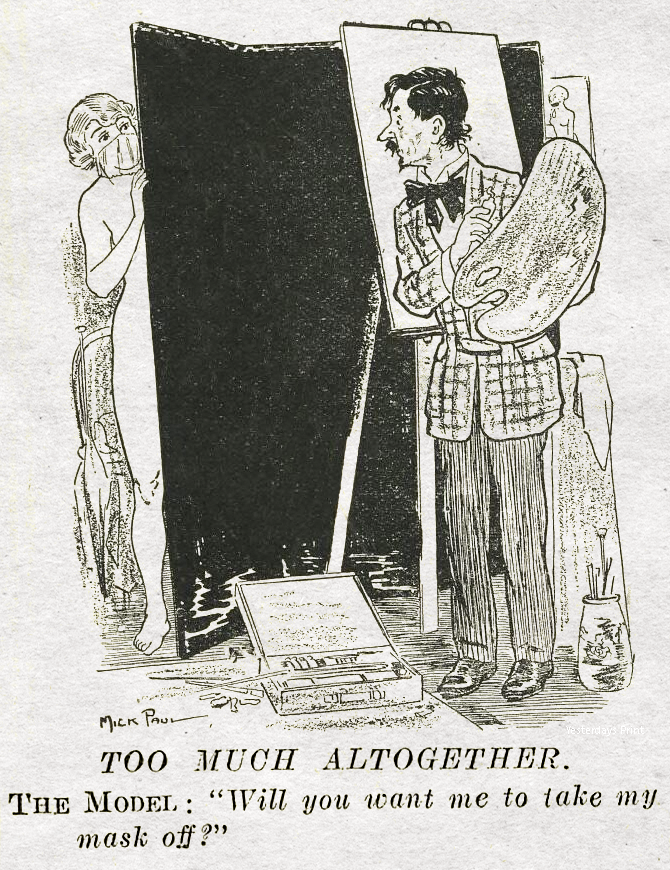
Sydney (Australia) Bulletin, February 13 1919
Posted on 11/13/21 at 12:06 am to Kafka
McSorley's, oldest Irish pub in NYC, is forced to admit women customers (after 116 years of being male only) due to a lawsuit by the National Organization for Women. NOW's Lucy Komisar grimly steps up to the bar. (1970)

Posted on 11/13/21 at 6:40 am to Kafka
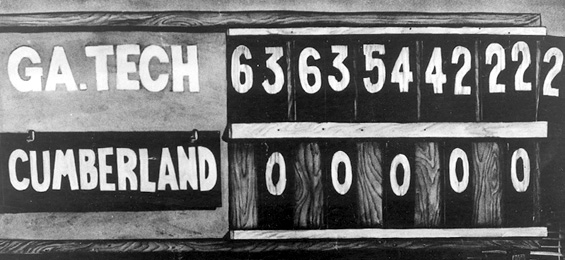
Nerds beating up on Cumberland 222-0 in 1916
Posted on 11/13/21 at 4:02 pm to Dawgholio

Posted on 11/13/21 at 7:55 pm to kywildcatfanone
Smoky

quote:
Smoky (c. 1943 – 21 February 1957), a Yorkshire Terrier, was a famous war dog who served in World War II. She weighed only 4 pounds and stood 7 inches tall. Smoky is credited with beginning a renewal of interest in the once-obscure Yorkshire Terrier breed.
quote:
For the next two years, Smoky back-packed through the rest of the war and accompanied Wynne on combat flights in the Pacific. She faced adverse circumstances, living in the New Guinea jungle and Rock Islands, suffering the primitive conditions of tents in equatorial heat and humidity. Throughout her service, Smoky slept in Wynne's tent on a blanket made from a green felt card table cover; she shared Wynne's C-rations and an occasional can of Spam. Unlike the "official" war dogs of World War II, Smoky had access to neither veterinary medicine nor a balanced diet formulated especially for dogs. Despite this, Smoky was never ill. She even ran on coral for four months without developing any of the paw ailments that plagued some war dogs.
As described by Wynne, "Smoky Served in the South Pacific with the 5th Air Force, 26th Photo Reconnaissance Squadron and flew 12 air/sea rescue and photo reconnaissance missions." On those flights, Smoky spent long hours dangling in a soldier's pack near machine guns used to ward off enemy fighters. Smoky was credited with twelve combat missions and awarded eight battle stars.[6] She survived 150 air raids on New Guinea and made it through a typhoon at Okinawa. Smoky even parachuted from 30 feet (9.1 m) in the air, out of a tree, using a parachute made just for her. Wynne credited Smoky with saving his life by warning him of incoming shells on an LST (transport ship), calling her an " 'angel' from a foxhole." As the ship deck was booming and vibrating from anti-aircraft gunnery, Smoky guided Wynne to duck the fire that hit eight men standing next to them
quote:
Early in the Luzon campaign, the Signal Corps needed to run a telegraph wire through a 70-foot-long (21 m) pipe that was 8 inches (200 mm) in diameter. Soil had sifted through the corrugated sections at the pipe joinings, filling as much as half of the pipe, giving Smoky only four inches of headway in some places. As Wynne himself told the story when he appeared on NBC-TV after World War II:
“I tied a string (tied to the wire) to Smoky's collar and ran to the other end of the culvert . . . (Smoky) made a few steps in and then ran back. `Come, Smoky,' I said sharply, and she started through again. When she was about 10 feet in, the string caught up and she looked over her shoulder as much as to say `what's holding us up there?' The string loosened from the snag and she came on again. By now the dust was rising from the shuffle of her paws as she crawled through the dirt and mold and I could no longer see her. I called and pleaded, not knowing for certain whether she was coming or not. At last, about 20 feet away, I saw two little amber eyes and heard a faint whimpering sound . . . at 15 feet away, she broke into a run. We were so happy at Smoky's success that we patted and praised her for a full five minutes.”
Smoky's work saved approximately 250 ground crewmen from having to move around and keep operational 40 United States fighters and reconnaissance planes, while a construction detail dug up the taxiway, placing the men and the planes in danger from enemy bombings. What would have been a dangerous three-day digging task to place the wire was instead completed in minutes.
Posted on 11/13/21 at 7:56 pm to Kafka
Double-amputee Korean War veteran Mike Ropczycki in an Armistice Day parade. Long Beach, California. November 12, 1951.

Posted on 11/13/21 at 8:02 pm to Kafka

(Orleans is a magazine in Ottawa, Canada)
Posted on 11/13/21 at 9:01 pm to stampman
quote:
Remember it...sat in the curve of the end zone when they played the Rams.
My first NFL game was the Saints vs. Chiefs preseason game in 1971 at Tulane stadium. Archie Manning's rookie season vs. Len Dawson who had won the Super Bowl in 1969. Chiefs 27 Saints 7.
It's interesting to look through the media guide for 1971. Sideline season tickets for the Saints were $58.50.
Saints 1971 media guide.
Posted on 11/14/21 at 9:09 am to Tigris
1972


 Page 157 of 1272

Popular
Back to top
 Follow TigerDroppings for LSU Football News