




 2
2



- My Forums
- Tiger Rant
- LSU Recruiting
- SEC Rant
- Saints Talk
- Pelicans Talk
- More Sports Board
- Fantasy Sports
- Golf Board
- Soccer Board
- O-T Lounge
- Tech Board
- Home/Garden Board
- Outdoor Board
- Health/Fitness Board
- Movie/TV Board
- Book Board
- Music Board
- Political Talk
- Money Talk
- Fark Board
- Gaming Board
- Travel Board
- Food/Drink Board
- Ticket Exchange
- TD Help Board
Customize My Forums- View All Forums
- Show Left Links
- Topic Sort Options
- Trending Topics
- Recent Topics
- Active Topics
Started By
Message
Fannie Mae downgrades Home Sale expectations for 2022 AND 2023
Posted on 6/16/22 at 8:15 pm
Posted on 6/16/22 at 8:15 pm
Fannie Mae: Inflation Remains Hot Homes Sales Fall
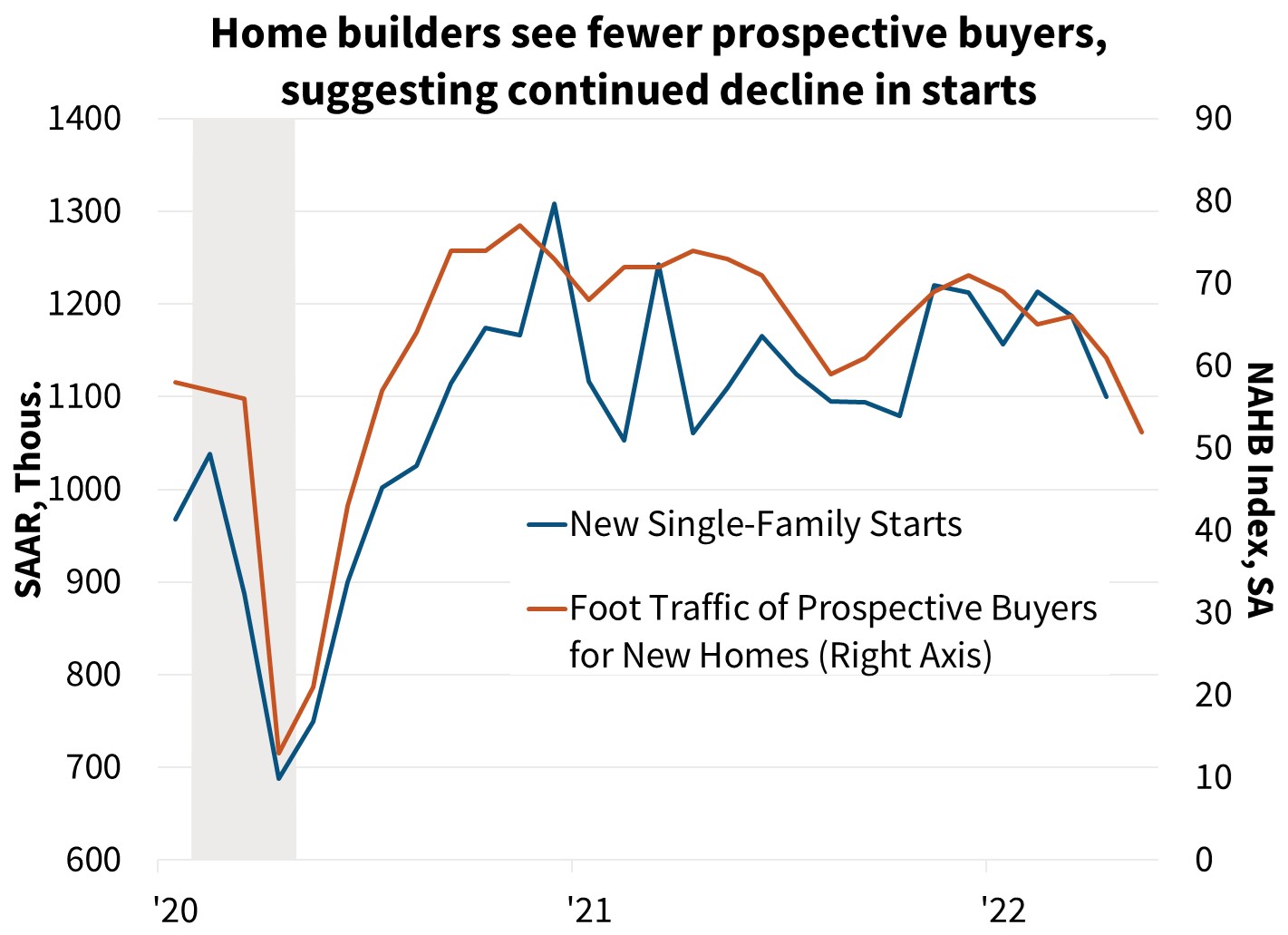
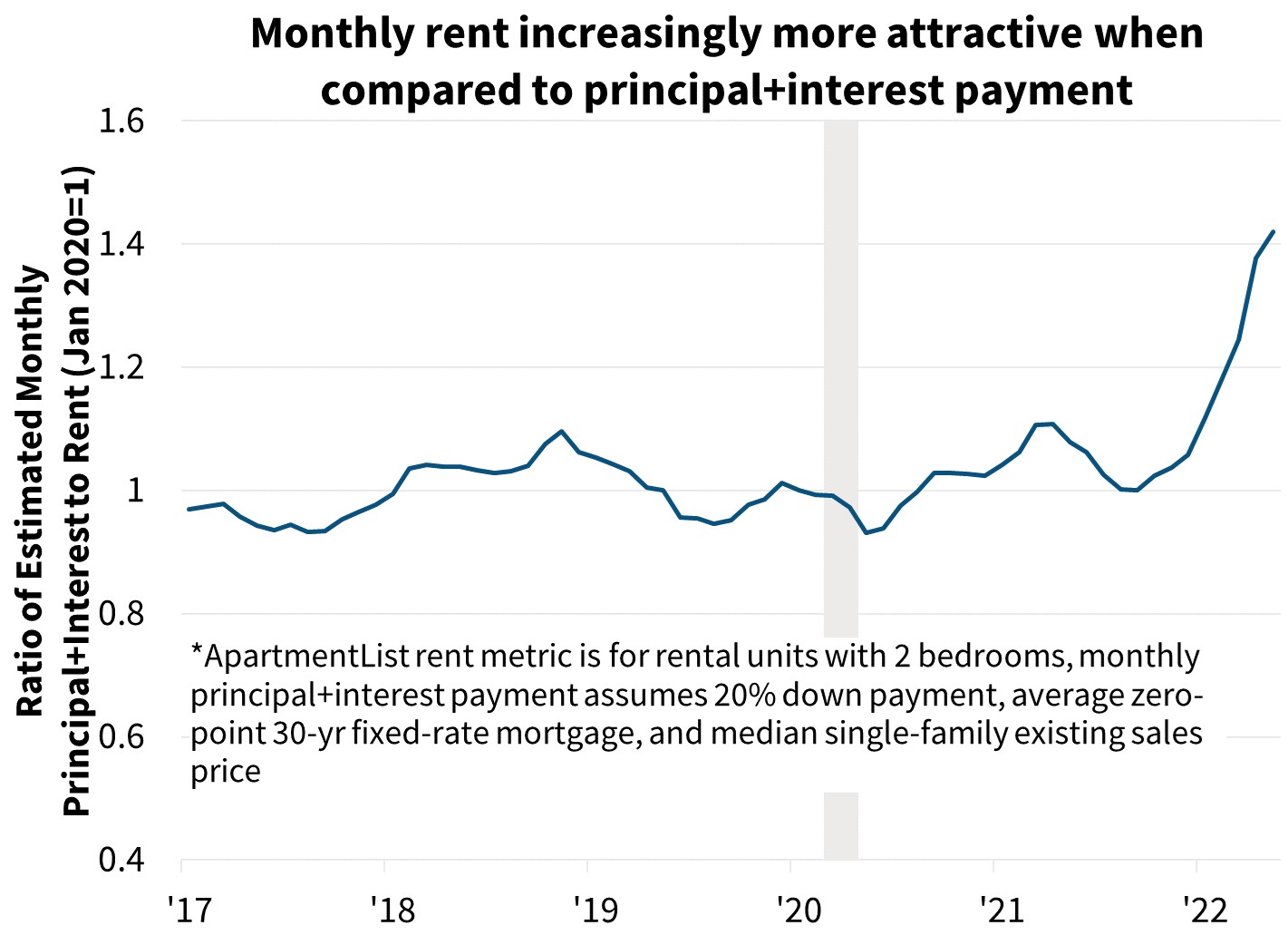
"While we expect the pace of housing starts to remain comparatively elevated in the near term reflecting the need to work through prior order backlogs, this suggests to us that construction will eventually soften as well. We are forecasting single-family housing starts to end the year about 15 percent lower than what occurred in the most recent reading for April."
"We expect multifamily vacancy rates to tick up as the year progresses, primarily due to new supply coming online, but we still expect multifamily construction to remain comparatively resilient relative to single-family in part due to this rent vs. buy calculation taking place in many households."
Weaker Home Sales Outlook Implies Further Decline in Mortgage Originations
We expect total 2022 mortgage originations to be $2.6 trillion, $90 billion lower than last month’s forecast. In 2023, we expect mortgage originations to fall to $2.2 trillion, also a downgrade from last month. The downward revisions were, on net, entirely driven by lower expectations for purchase money mortgage originations primarily due to downward revisions to our home sales forecast.
For refinance originations, our forecast for 2022 remains at $797 billion, unchanged from last month. The forecast for 2023 was revised up moderately by $24 billion or 4.8 percent, given that we expect that mortgage rates will stabilize in 2023, and new acquisitions at the current rate are expected to be in-the-money again. Given recent jumps in mortgage rates, however, there is some downside risk to our refinance originations outlook. At 5.23 percent, the most recent Freddie Mac 30-year fixed-rate survey reading, we estimate that less than 2 percent of outstanding mortgages have a refinance rate incentive of at least 50 basis points. Cash-out refinances, which are less sensitive to interest rate movements, now make up the vast majority of total refinance volume.
"While we expect the pace of housing starts to remain comparatively elevated in the near term reflecting the need to work through prior order backlogs, this suggests to us that construction will eventually soften as well. We are forecasting single-family housing starts to end the year about 15 percent lower than what occurred in the most recent reading for April."
"We expect multifamily vacancy rates to tick up as the year progresses, primarily due to new supply coming online, but we still expect multifamily construction to remain comparatively resilient relative to single-family in part due to this rent vs. buy calculation taking place in many households."
Weaker Home Sales Outlook Implies Further Decline in Mortgage Originations
We expect total 2022 mortgage originations to be $2.6 trillion, $90 billion lower than last month’s forecast. In 2023, we expect mortgage originations to fall to $2.2 trillion, also a downgrade from last month. The downward revisions were, on net, entirely driven by lower expectations for purchase money mortgage originations primarily due to downward revisions to our home sales forecast.
For refinance originations, our forecast for 2022 remains at $797 billion, unchanged from last month. The forecast for 2023 was revised up moderately by $24 billion or 4.8 percent, given that we expect that mortgage rates will stabilize in 2023, and new acquisitions at the current rate are expected to be in-the-money again. Given recent jumps in mortgage rates, however, there is some downside risk to our refinance originations outlook. At 5.23 percent, the most recent Freddie Mac 30-year fixed-rate survey reading, we estimate that less than 2 percent of outstanding mortgages have a refinance rate incentive of at least 50 basis points. Cash-out refinances, which are less sensitive to interest rate movements, now make up the vast majority of total refinance volume.
Posted on 6/16/22 at 9:31 pm to MrLSU
Seems likely. If we are heading into a recession and market correction home sales are going to be affected.
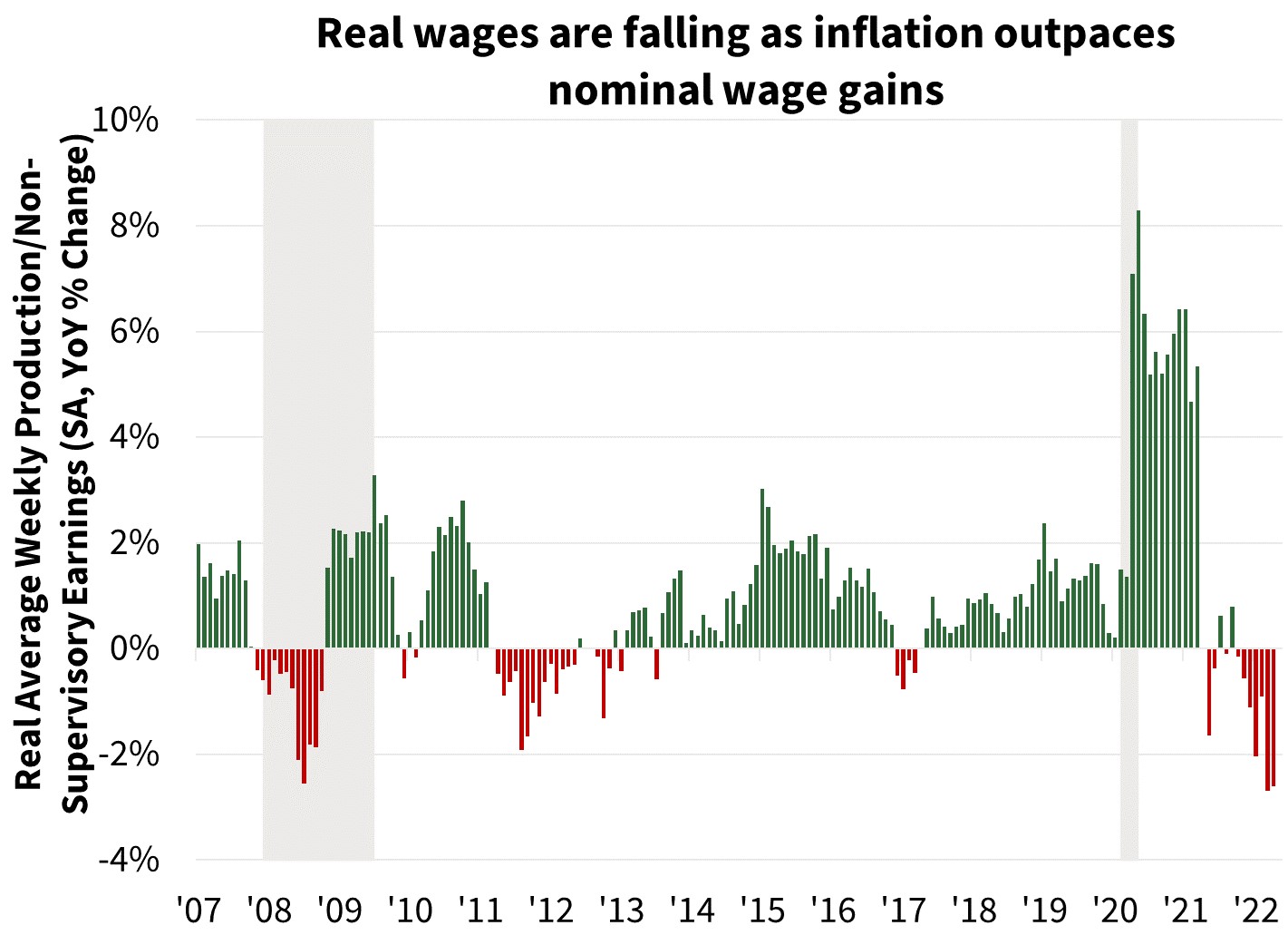
Unless salaries Increase faster than inflation average purchasing power will continue to erode.
Unless salaries Increase faster than inflation average purchasing power will continue to erode.
Posted on 6/16/22 at 9:37 pm to molsusports
So, I’m selling my house in the next month, moving 700 miles away. How long should I give it before buying a new house?
It’s either: buy sooner with lower rates and higher cost of home, or buy later with lower cost of home and higher rates.
It’s either: buy sooner with lower rates and higher cost of home, or buy later with lower cost of home and higher rates.
Posted on 6/16/22 at 9:53 pm to FenrirTheBeard
I don't know. Real estate values are also regional. If you are moving to a market where property values are 50-100% more than they were three years ago? That seems riskier to me than a place where there's been less appreciation
Some of the sky is going to fall crowd believe we'll see a significant erosion over the next 6-18 months. The mostly stable values crowd would tell you to buy and not worry.
If you have a stable job and will live in the home for five plus years? I would probably buy a home now providing you aren't buying something that doubled in value over the last five years.
Some of the sky is going to fall crowd believe we'll see a significant erosion over the next 6-18 months. The mostly stable values crowd would tell you to buy and not worry.
If you have a stable job and will live in the home for five plus years? I would probably buy a home now providing you aren't buying something that doubled in value over the last five years.
Posted on 6/17/22 at 6:37 am to FenrirTheBeard
quote:Buy now or wait 2-3 years at least
So, I’m selling my house in the next month, moving 700 miles away. How long should I give it before buying a new house?
Posted on 6/17/22 at 7:40 am to MrLSU
Fewer sales means that inventory for sellers will be lower and prices will rise.
-ronricks
-ronricks
Posted on 6/17/22 at 8:03 am to molsusports
I’ll be moving to Charlotte, which has been growing pretty rapidly the past few years. I feel that market might be a little safer than others
Posted on 6/17/22 at 8:17 am to SlowFlowPro
quote:
Fewer sales means that inventory for sellers will be lower and prices will rise.
-ronricks
You aren't going to have record sales with low inventory. Here is what you are going to see (and we are already seeing this btw)
-BlackRock, Blackstone, Invitation Homes etc. aren't going to all the sudden stop buying housing (they aren't buying all the homes just the most important ones)
-People who have 2.5 to 4.0 Mortgages aren't going to sell their homes. Period.
-The 20% to 22% year over year increases are going to turn into 7% to 9% increases for 2022 and 2023. I'll take 8% on a $900k asset year over year any day.
The wishcasting for a 'crash' isn't going to do you any good. The country is being flooded by Illegal Immigrants and we can't even build apartments fast enough let alone single family housing in which we are short millions. The housing crisis won't be over in the next 2 to 3 years. Political change in 2024 (IF it happens) is going to usher in another boom and we will be right back where we were 3 months ago. The housing market is going to slow (you won't be bidding against 10 other people) and the year over increases will be lower but Inventory isn't going to be fixed for a while which is going to keep prices stable. The outlier here is if you live in a shithole area you will likely see housing issues. Major metro areas that are desirable are going to have low inventory and stable/increasing prices.
We are going to be right back in this mess in Q2 and Q3 of 2024 if the war on oil/energy is reversed via executive order. Rates will come down, home prices will skyrocket, there will still be an extreme inventory shortage and people on here will still be Wishcasting for a 'crash'.
This post was edited on 6/17/22 at 8:29 am
Posted on 6/17/22 at 8:29 am to FenrirTheBeard
Kind of in a similar position.
I can buy now, or I can delay 12, 18, or 24 months.
18 months puts me off peak cycle to buy (not summer time), so I like that, but I'm not sure erosion has set in enough by then.
I am seeing these 550-650k houses around here sit for 14+ days and drop prices so signs are good, but nothing is screaming to buy right now.
I can buy now, or I can delay 12, 18, or 24 months.
18 months puts me off peak cycle to buy (not summer time), so I like that, but I'm not sure erosion has set in enough by then.
I am seeing these 550-650k houses around here sit for 14+ days and drop prices so signs are good, but nothing is screaming to buy right now.
Posted on 6/17/22 at 8:57 am to thegreatboudini
quote:
I can buy now, or I can delay 12, 18, or 24 months.
Same, although would rather not delay that long. Kind of need the space.
quote:
I am seeing these 550-650k houses around here sit for 14+ days and drop prices so signs are good, but nothing is screaming to buy right now.
Yup, in inner Houston, TONS of stuff on the market sitting, that was under contract within 24hrs 2 months ago. However, no major prices drops yet.

 Page 1 of 1



Popular

Back to top
 Follow TigerDroppings for LSU Football News