




 3
3





- My Forums
- Tiger Rant
- LSU Recruiting
- SEC Rant
- Saints Talk
- Pelicans Talk
- More Sports Board
- Fantasy Sports
- Golf Board
- Soccer Board
- O-T Lounge
- Tech Board
- Home/Garden Board
- Outdoor Board
- Health/Fitness Board
- Movie/TV Board
- Book Board
- Music Board
- Political Talk
- Money Talk
- Fark Board
- Gaming Board
- Travel Board
- Food/Drink Board
- Ticket Exchange
- TD Help Board
Customize My Forums- View All Forums
- Show Left Links
- Topic Sort Options
- Trending Topics
- Recent Topics
- Active Topics
Started By
Message
The weakness in the Ole Miss offense: get them to 3rd-and-5
Posted on 9/14/26 at 10:06 am
Posted on 9/14/26 at 10:06 am
I went back through every offensive possession from Ole Miss-Louisville and Ole Miss-Charlotte. Ole Miss is not bad offensively, but the play-by-play shows a very specific way to make them look bad:
Create one negative play and force Trinidad Chambliss to convert an obvious passing down.
Chambliss has been excellent overall: 44-of-62 for 561 yards, five passing TDs and one interception. Ole Miss is averaging 6.53 yards per play and is a perfect 10-for-10 scoring TDs after entering the red zone.
But the third-down passing numbers are completely different.
Chambliss has had 13 third-down dropbacks. Ole Miss produced only four completions and two conversions on those plays, with one interception and one sack. On third-and-5 or longer, Ole Miss converted only 1 of 9 Chambliss dropbacks.
Ole Miss is 7-of-19 overall on third down, and five of those seven conversions were runs. That includes Chambliss using his legs and the backup QB converting against Charlotte. The passing offense that looks explosive on early downs has not consistently functioned when the defense knows a pass is coming.
That makes first down the key to the game.
Charlotte forced two Ole Miss punts. The first followed a Lacy run for minus-1, a completion for zero and an incompletion on third-and-11. The second followed runs of three and minus-3 before Charlotte sacked Chambliss on third-and-10.
Once Ole Miss got behind schedule, it could not recover—even against Charlotte.
The conventional running game is also less consistent than the raw yardage suggests. Kewan Lacy has 148 yards on 30 carries, but 13 of those carries gained two yards or fewer and six gained zero or less. His 28- and 17-yard Charlotte runs account for 45 yards. Remove those two explosives and his other 28 carries produced 103 yards, or 3.68 per carry.
Against Louisville, the three primary Ole Miss backs combined for 113 yards on 31 carries—3.65 per carry. Chambliss supplied another 60 yards with his legs. LSU should not automatically bring a safety down and hand Ole Miss the one-on-one passing matchups it wants. Make its backs produce four and five yards at a time, but treat Chambliss as the primary runner on third-and-short.
The other issue is explosive concentration.
Against Louisville, Deuce Alexander caught five passes for 159 yards and two TDs. Two 62-yard TDs accounted for 124 of those yards. Ole Miss can look ordinary for multiple possessions and then erase all of it with one Alexander explosive.
The defensive plan should therefore be:
Keep a safety over Alexander, maintain rush lanes around Chambliss and make Ole Miss sustain long drives. On early downs, LSU needs only one tackle for loss, run stuff, holding penalty or sack. Once it reaches third-and-5, disguise the pressure, keep eyes on Chambliss and make him beat coverage from the pocket.
LSU is built to attack that weakness. Through two games, its defense has allowed 273 yards on 104 plays—2.63 yards per play—with only three explosive plays allowed. It has created 23 negative plays and 12 sacks. Opponents are 5-of-25 on third down.
For comparison, Ole Miss has allowed 783 yards on 133 plays, 5.89 per play and 19 explosives. Louisville gained 461 yards and scored 38. Charlotte gained 322, created seven explosives and put together scoring drives of 64, 59 and 64 yards, plus another drive that ended with a blocked FG. The 41-9 score concealed how often Charlotte moved the ball.
Why does Ole Miss seem bad despite scoring 41 twice? Because it is volatile. Its first six real possessions against Louisville went punt, fumble, field goal, touchdown, interception and missed field goal. That was 10 points, two turnovers and four empty possessions before it exploded after halftime.
This is an offense with dangerous answers, but it has not shown consistent answers after a defense takes away the first one.
LSU does not need to dominate every snap. It needs to eliminate Alexander’s cheap explosives, keep Chambliss contained and create one early-down loss per possession. Do that and Ole Miss’s third-down passing problem becomes the story of the game.
The final piece is LSU protecting the football. LSU has five giveaways, including four against Louisiana Tech. Giving Ole Miss short fields defeats the entire defensive plan.
If LSU avoids that, the matchup favors LSU on both sides. My read is LSU 34, Ole Miss 24.
Create one negative play and force Trinidad Chambliss to convert an obvious passing down.
Chambliss has been excellent overall: 44-of-62 for 561 yards, five passing TDs and one interception. Ole Miss is averaging 6.53 yards per play and is a perfect 10-for-10 scoring TDs after entering the red zone.
But the third-down passing numbers are completely different.
Chambliss has had 13 third-down dropbacks. Ole Miss produced only four completions and two conversions on those plays, with one interception and one sack. On third-and-5 or longer, Ole Miss converted only 1 of 9 Chambliss dropbacks.
Ole Miss is 7-of-19 overall on third down, and five of those seven conversions were runs. That includes Chambliss using his legs and the backup QB converting against Charlotte. The passing offense that looks explosive on early downs has not consistently functioned when the defense knows a pass is coming.
That makes first down the key to the game.
Charlotte forced two Ole Miss punts. The first followed a Lacy run for minus-1, a completion for zero and an incompletion on third-and-11. The second followed runs of three and minus-3 before Charlotte sacked Chambliss on third-and-10.
Once Ole Miss got behind schedule, it could not recover—even against Charlotte.
The conventional running game is also less consistent than the raw yardage suggests. Kewan Lacy has 148 yards on 30 carries, but 13 of those carries gained two yards or fewer and six gained zero or less. His 28- and 17-yard Charlotte runs account for 45 yards. Remove those two explosives and his other 28 carries produced 103 yards, or 3.68 per carry.
Against Louisville, the three primary Ole Miss backs combined for 113 yards on 31 carries—3.65 per carry. Chambliss supplied another 60 yards with his legs. LSU should not automatically bring a safety down and hand Ole Miss the one-on-one passing matchups it wants. Make its backs produce four and five yards at a time, but treat Chambliss as the primary runner on third-and-short.
The other issue is explosive concentration.
Against Louisville, Deuce Alexander caught five passes for 159 yards and two TDs. Two 62-yard TDs accounted for 124 of those yards. Ole Miss can look ordinary for multiple possessions and then erase all of it with one Alexander explosive.
The defensive plan should therefore be:
Keep a safety over Alexander, maintain rush lanes around Chambliss and make Ole Miss sustain long drives. On early downs, LSU needs only one tackle for loss, run stuff, holding penalty or sack. Once it reaches third-and-5, disguise the pressure, keep eyes on Chambliss and make him beat coverage from the pocket.
LSU is built to attack that weakness. Through two games, its defense has allowed 273 yards on 104 plays—2.63 yards per play—with only three explosive plays allowed. It has created 23 negative plays and 12 sacks. Opponents are 5-of-25 on third down.
For comparison, Ole Miss has allowed 783 yards on 133 plays, 5.89 per play and 19 explosives. Louisville gained 461 yards and scored 38. Charlotte gained 322, created seven explosives and put together scoring drives of 64, 59 and 64 yards, plus another drive that ended with a blocked FG. The 41-9 score concealed how often Charlotte moved the ball.
Why does Ole Miss seem bad despite scoring 41 twice? Because it is volatile. Its first six real possessions against Louisville went punt, fumble, field goal, touchdown, interception and missed field goal. That was 10 points, two turnovers and four empty possessions before it exploded after halftime.
This is an offense with dangerous answers, but it has not shown consistent answers after a defense takes away the first one.
LSU does not need to dominate every snap. It needs to eliminate Alexander’s cheap explosives, keep Chambliss contained and create one early-down loss per possession. Do that and Ole Miss’s third-down passing problem becomes the story of the game.
The final piece is LSU protecting the football. LSU has five giveaways, including four against Louisiana Tech. Giving Ole Miss short fields defeats the entire defensive plan.
If LSU avoids that, the matchup favors LSU on both sides. My read is LSU 34, Ole Miss 24.
Posted on 9/14/26 at 10:10 am to Ebridg3
Ole Miss showed absolutely zero against Charlotte so you can't really take anything from that game.
Alright, now that we got that out of the way....I am more looking at how our edges play against their Tackles and how our Corners play against Deuce and their WRs. Those are the two biggest matchups in the game. If we do have to get into a shootout I don't like our chances but if we can win the matchups defensively I love our chances.
Alright, now that we got that out of the way....I am more looking at how our edges play against their Tackles and how our Corners play against Deuce and their WRs. Those are the two biggest matchups in the game. If we do have to get into a shootout I don't like our chances but if we can win the matchups defensively I love our chances.
Posted on 9/14/26 at 10:12 am to IM_4_LSU
quote:
Ole Miss showed absolutely zero against Charlotte so you can't really take anything from that game.
Alright, now that we got that out of the way....I am more looking at how our edges play against their Tackles and how our Corners play against Deuce and their WRs. Those are the two biggest matchups in the game. If we do have to get into a shootout I don't like our chances but if we can win the matchups defensively I love our chances.
They absolutely were vanilla on offense. They were 100% not vanilla on defense though and so that means that secondary is truly the weakness
Posted on 9/14/26 at 10:13 am to Ebridg3
is this AI?
Posted on 9/14/26 at 10:16 am to Chicken
quote:
is this AI?
No, he's actually Lane Kiffin. He created that account when Les was fired thinking he'd get the job.
This post was edited on 9/14/26 at 10:17 am
Posted on 9/14/26 at 10:17 am to Chicken
quote:
is this AI?
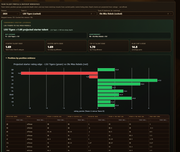
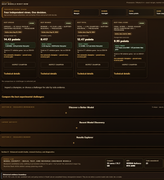
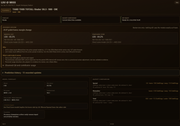
I have a sportsbetting engine that ive been working on for 2 years that pulls all play by play data. The analysis is heavy AI usage, yes.
[url=LINK ]
 [/url]
 [url=LINK ]
 [/url]
 [url=LINK ]
 [/url]
 It's in this weird transition from pre-season prediction model to seasonprediction model. Notice how the direct score champion heavily disagrees with the ML and spread champion
This post was edited on 9/14/26 at 10:29 am
Posted on 9/14/26 at 10:18 am to GeauxLaneTrain
quote:
They were 100% not vanilla on defense though and so that means that secondary is truly the weakness
If we are saying LK has the ability to correct the issues Sam and the offense made then we need to give the benefit of the doubt to Ole Miss as well to get those busts fixed. And their coverage busts were improved from Week 1 to Week 2. That can happen again.
Now, that is still the weakness for them defensively from a talent perspective but that doesn't mean the wide open WRs will be happening. Need WRs to win 1-on-1.
Posted on 9/14/26 at 10:34 am to Ebridg3
Wait!
So you’re saying that 3rd and long is a low percentage down?
No WAY!
Dude! You should work for NASA!
So you’re saying that 3rd and long is a low percentage down?
No WAY!
Dude! You should work for NASA!
Posted on 9/14/26 at 10:36 am to Ebridg3
just trying to clamp down on AI "slop"...
This post was edited on 9/14/26 at 11:15 am

 Page 1 of 1


Popular

Back to top
 Follow TigerDroppings for LSU Football News