




- My Forums
- Tiger Rant
- LSU Recruiting
- SEC Rant
- Saints Talk
- Pelicans Talk
- More Sports Board
- Fantasy Sports
- Golf Board
- Soccer Board
- O-T Lounge
- Tech Board
- Home/Garden Board
- Outdoor Board
- Health/Fitness Board
- Movie/TV Board
- Book Board
- Music Board
- Political Talk
- Money Talk
- Fark Board
- Gaming Board
- Travel Board
- Food/Drink Board
- Ticket Exchange
- TD Help Board
Customize My Forums- View All Forums
- Show Left Links
- Topic Sort Options
- Trending Topics
- Recent Topics
- Active Topics
Started By
Message

1902 / 2019 Side by Side VID Wuppertal-Schwebebahn Suspension Railway (Olde Tech Survivor)
Posted on 11/25/22 at 9:36 am

Posted on 11/25/22 at 9:36 am
Here's an updated, better Side by Side link:
LINK
Spectacular surviving Olde World Tech in Germany that wasn't destroyed during the wars and allowed to remain in operation for some unknown reason.
(Below: Wuppertal, Germany)
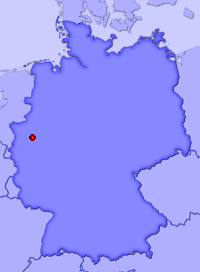
Olde World Germany was THE center of Europe's advanced Olde World "antiquitech," power, innovation and architecture. (Before certain world *cough* upheavals turned everything upside down (a whole another story.)
HISTORICAL NARRATIVE
Carl Eugen Langen was a German entrepreneur, engineer and inventor, involved in the development of the petrol engine and the Wuppertal Suspension Railway.
In 1857 he worked in his father's sugar factory, JJ Langen & Söhne, and after extensive technical training at the Polytechnic institute in Karlsruhe, patented a method for producing sugar cubes.
In 1864, Langen met Nicolaus August Otto who was working to improve to the gas engine invented by Belgian Etienne Lenoir.
The technically-trained Langen recognized the potential of Otto's development, and one month after the meeting, founded the first engine factory in the world, NA Otto & Cie.
At the 1867 Paris World Exhibition, their improved engine received the Grand Prize.
In the field of rail transport equipment, Langen was co-owner and engineer of the Cologne Waggonfabrik van der Zypen & Charlier.
He started the suspension railway system in Wuppertal in 1894.
NOTE: Eugen Langen died in 1895. As per the narrative, the construction of this suspension electric railway started some time in, or after 1897. [b]Poor guy never got to see what he designed get built. (If this kind of "historical narrative" sounds familiar, it is)...
Many historically attributed designers of buildings and tech just happened to have been credited with innumerable structures, inventions and accomplishments -- only to pass away before fruition (Yet another story to discuss.)
Anyway...
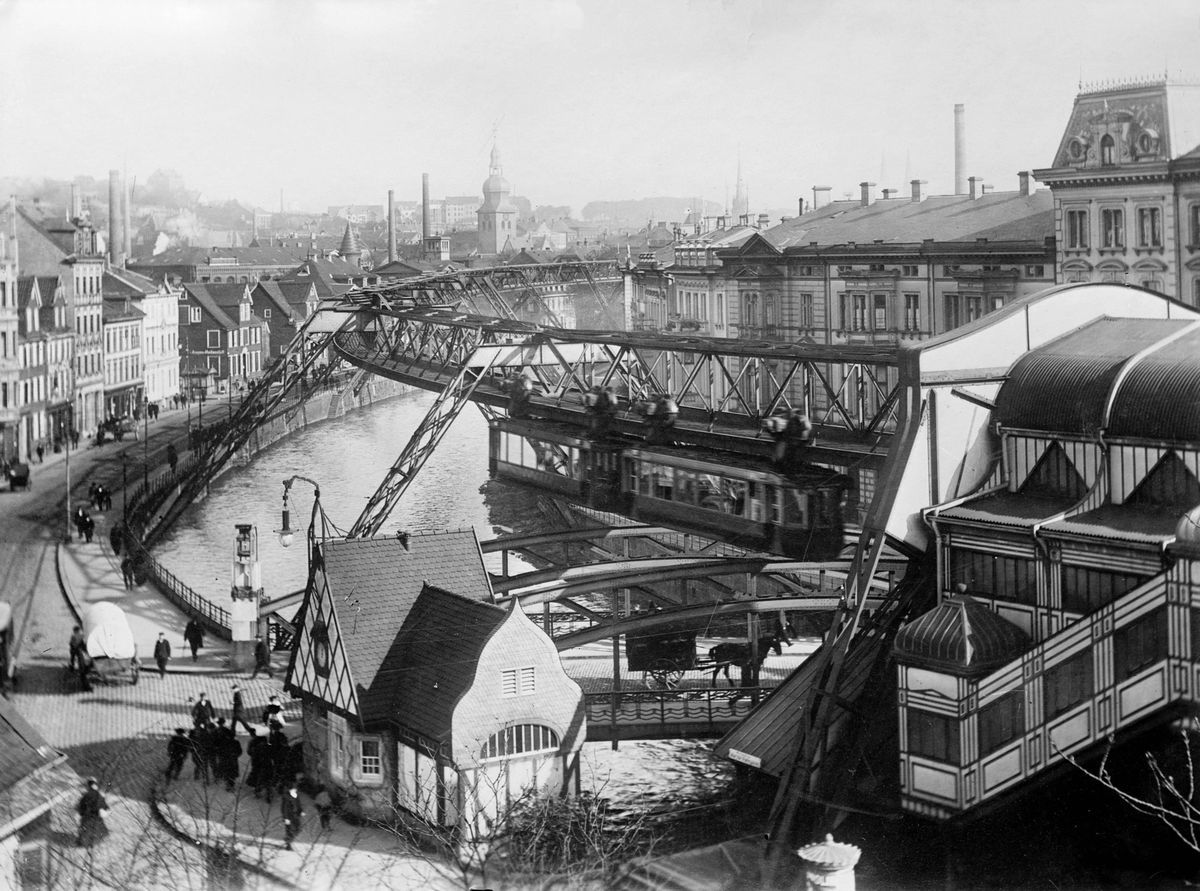
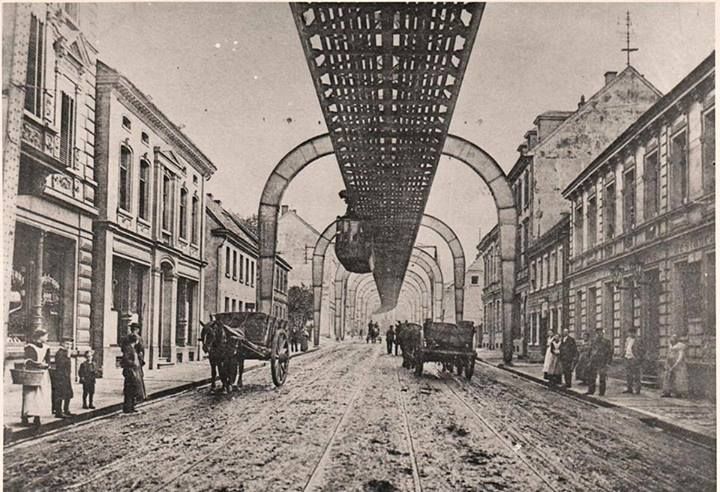
Amazingly still in operation...

For those interested in the 'Wuppertal-Schwebebahn Suspension Railway' story, photos and discussions of it and other related incredible transportation-related White Elephant designs of our Olde World past, I *highly* recommend the KD SH site.
LINK
Spectacular surviving Olde World Tech in Germany that wasn't destroyed during the wars and allowed to remain in operation for some unknown reason.
(Below: Wuppertal, Germany)
Olde World Germany was THE center of Europe's advanced Olde World "antiquitech," power, innovation and architecture. (Before certain world *cough* upheavals turned everything upside down (a whole another story.)
HISTORICAL NARRATIVE
Carl Eugen Langen was a German entrepreneur, engineer and inventor, involved in the development of the petrol engine and the Wuppertal Suspension Railway.
In 1857 he worked in his father's sugar factory, JJ Langen & Söhne, and after extensive technical training at the Polytechnic institute in Karlsruhe, patented a method for producing sugar cubes.
In 1864, Langen met Nicolaus August Otto who was working to improve to the gas engine invented by Belgian Etienne Lenoir.
The technically-trained Langen recognized the potential of Otto's development, and one month after the meeting, founded the first engine factory in the world, NA Otto & Cie.
At the 1867 Paris World Exhibition, their improved engine received the Grand Prize.
In the field of rail transport equipment, Langen was co-owner and engineer of the Cologne Waggonfabrik van der Zypen & Charlier.
He started the suspension railway system in Wuppertal in 1894.
NOTE: Eugen Langen died in 1895. As per the narrative, the construction of this suspension electric railway started some time in, or after 1897. [b]Poor guy never got to see what he designed get built. (If this kind of "historical narrative" sounds familiar, it is)...
Many historically attributed designers of buildings and tech just happened to have been credited with innumerable structures, inventions and accomplishments -- only to pass away before fruition (Yet another story to discuss.)
Anyway...
Amazingly still in operation...
For those interested in the 'Wuppertal-Schwebebahn Suspension Railway' story, photos and discussions of it and other related incredible transportation-related White Elephant designs of our Olde World past, I *highly* recommend the KD SH site.
This post was edited on 11/25/22 at 10:20 am
 5
5

Posted on 11/25/22 at 9:43 am to Liberator
CNN (of all media outlets) actually also covered the Wuppertal-Schwebebahn Suspension Railway.
The German city with an incredible upside down railway
Marcel Krueger, CNN • Updated 18th May 2022
HERE is a link to their story -- along with a few videos:
Video today
Olde Vid
EXCERPT:
It all began in the 1880s, in the afterglow of imperial Germany's so-called Gründerzeit era of rapid industrial expansion. Entrepreneur and engineer Eugen Langen had been experimenting with a suspension railway for moving goods at his sugar factory in Cologne.
Meanwhile, the nearby city of Wuppertal had a problem. A booming local textile industry had seen the area grow from a small collection of settlements along the Wupper river to an urban sprawl of 40,000 inhabitants who now needed to get around.
Because the long and winding river valley made traditional rail or tramways impossible, city officials invited proposals to solve the problem -- and up popped Langen.
In 1893, he offered his suspension railway system to the city, which leapt at the proposal. Construction began in 1898 and the line was ceremoniously opened in 1901, with Emperor Wilhelm II taking a test ride with wife Auguste Viktoria.
In World War II, the network was badly hit by Allied bombs in heavy air raids on Wuppertal in May and June 1943, and again in January 1945, but by Easter 1946, not even a full year after fighting ended in Europe, the whole route was already back in action.
For Rosemarie Weingarten, who was born in Wuppertal's Barmen district in 1933, the Schwebebahn remains the cultural flagship of the city because of its endurance.

The German city with an incredible upside down railway
Marcel Krueger, CNN • Updated 18th May 2022
HERE is a link to their story -- along with a few videos:
Video today
Olde Vid
EXCERPT:
It all began in the 1880s, in the afterglow of imperial Germany's so-called Gründerzeit era of rapid industrial expansion. Entrepreneur and engineer Eugen Langen had been experimenting with a suspension railway for moving goods at his sugar factory in Cologne.
Meanwhile, the nearby city of Wuppertal had a problem. A booming local textile industry had seen the area grow from a small collection of settlements along the Wupper river to an urban sprawl of 40,000 inhabitants who now needed to get around.
Because the long and winding river valley made traditional rail or tramways impossible, city officials invited proposals to solve the problem -- and up popped Langen.
In 1893, he offered his suspension railway system to the city, which leapt at the proposal. Construction began in 1898 and the line was ceremoniously opened in 1901, with Emperor Wilhelm II taking a test ride with wife Auguste Viktoria.
In World War II, the network was badly hit by Allied bombs in heavy air raids on Wuppertal in May and June 1943, and again in January 1945, but by Easter 1946, not even a full year after fighting ended in Europe, the whole route was already back in action.
For Rosemarie Weingarten, who was born in Wuppertal's Barmen district in 1933, the Schwebebahn remains the cultural flagship of the city because of its endurance.
Posted on 11/25/22 at 9:45 am to Liberator
quote:
Many historically attributed designers of buildings and tech just happened to have been credited with innumerable structures, inventions and accomplishments -- only to pass away before fruition
It’s almost like massive and technologically sophisticated projects take a long time.
What about this has anything to do with “Olde World” tech?
In addition to believing that bricks could not be transported by sea in the 19th century, you now also believe that humanity couldn’t build railway bridges in the late 19th- early 20th Century?
quote:
that wasn't destroyed during the wars
Who told you that? Huge portions were destroyed in WW2 and replaced after.
quote:
allowed to remain in operation for some unknown reason.
Why would a rail transport system not be “allowed” to continue to operate? It has been modernized.
Germany is supposed to just discontinue a functioning rail system for ______ reasons?
This post was edited on 11/25/22 at 9:48 am
Posted on 11/25/22 at 10:09 am to Liberator
Another FREELY, unimpeded Olde World Tech designed, developed and in operation back when tPTB overlords were not putting the kibosh on independent innovation and advanced thought:
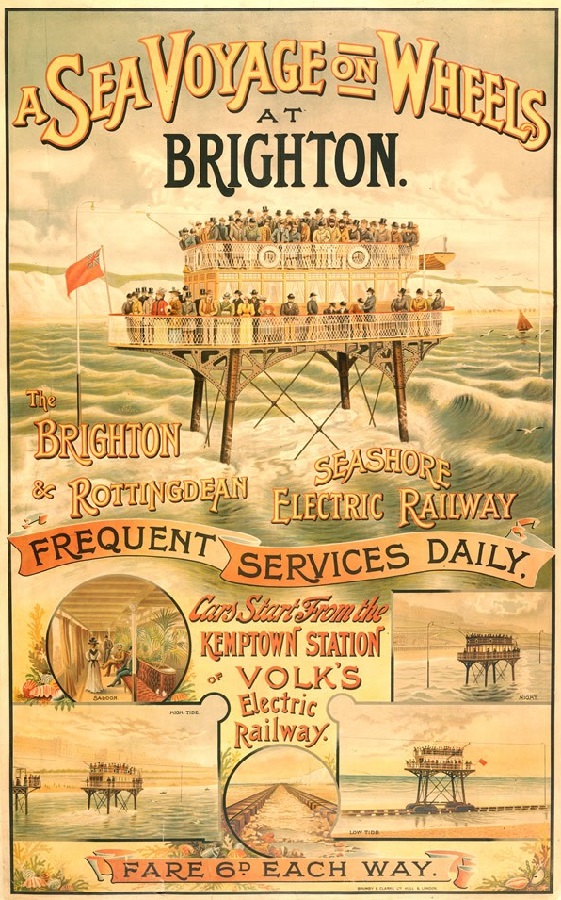
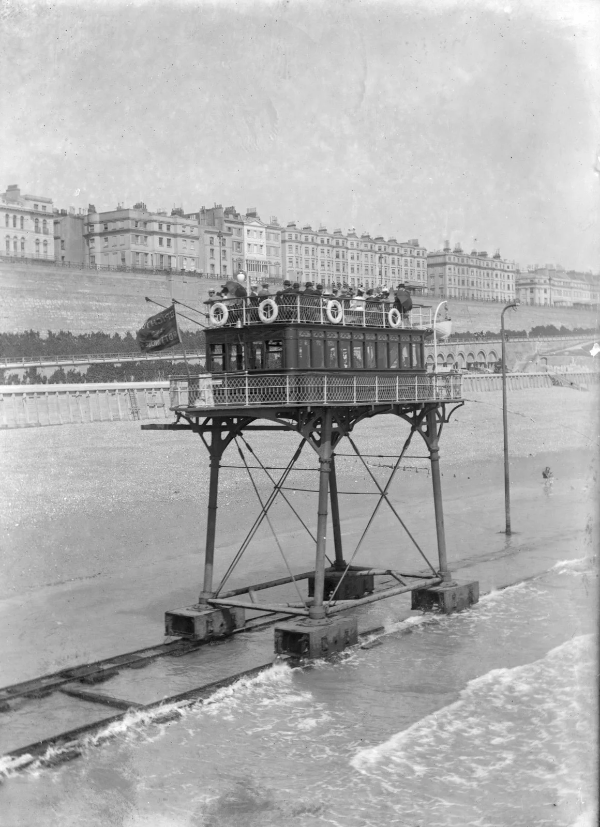
1896: Brighton and Rottingdean Seashore Electric Railway
Not too many people know about this odd electric train.
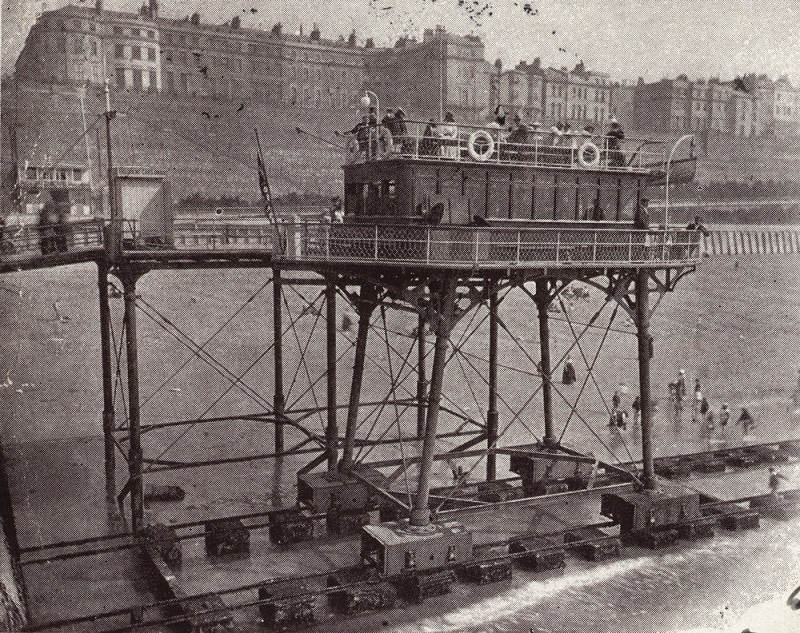
The Brighton and Rottingdean Seashore Electric Railway was a unique coastline railway in Brighton, England that ran through the shallow coastal waters of the English Channel between 1896 and 1901. (No, it didn't make any money BUT, the design and application proved that there independent energy & transportation innovations and tech back in the 1800s were all the rage (until tOverlords put a stop to it and buried it.)
?
This odd railway consisted of two parallel tracks,which were laid on concrete sleepers mortised into the bedrock.
The single car used on the railway was a 45 by 22 ft pier-like building which stood on four 23 ft -long legs. The car weighed 45 long tons. Propulsion was by electric motor.
It was officially named Pioneer, but many called it Daddy Long-Legs. Due to regulations then in place, a qualified sea captain was on board at all times, and the car was provided with lifeboats and other safety measures.
 >
>
Video of The Brighton "Daddy Long Legs" IN ACTION
For another link on the Daddy Long Legs:
Daddy Long Legs Story
EXCERPT (on its demise)
ABANDONED
No longer required Pioneer was lashed to the pier at Ovingdean to await its fate. There was no rush to remove it and the car remained in situ gently rusting away until 1910 when the remnants of the railway were sold for scrap. Rails, poles, piers and Pioneer were dismantled and scrapped, much of it going to Germany where it was no doubt used in munitions and fired back at our troops four years later.
Today very little remains to remind us of this most valiant attempt. Concrete is a great survivor and some of the sleepers remain at Rottingdean to prove it was not all a dream!
NOTE* -- As we can see, the mid-late 1890s was a time of great innovation.
Unfortunately, WW1 and its aftermath washed away momentum for untold inventions, innovation and developing tech -- as well as helping facilitate the demolition of The Olde World (including ARCHITECTURE & ENERGY.)
The WW2 (Or World Reset PT 2) helped further demolish The Olde World, its History and memories.
1896: Brighton and Rottingdean Seashore Electric Railway
Not too many people know about this odd electric train.
The Brighton and Rottingdean Seashore Electric Railway was a unique coastline railway in Brighton, England that ran through the shallow coastal waters of the English Channel between 1896 and 1901. (No, it didn't make any money BUT, the design and application proved that there independent energy & transportation innovations and tech back in the 1800s were all the rage (until tOverlords put a stop to it and buried it.)
?
This odd railway consisted of two parallel tracks,which were laid on concrete sleepers mortised into the bedrock.
The single car used on the railway was a 45 by 22 ft pier-like building which stood on four 23 ft -long legs. The car weighed 45 long tons. Propulsion was by electric motor.
It was officially named Pioneer, but many called it Daddy Long-Legs. Due to regulations then in place, a qualified sea captain was on board at all times, and the car was provided with lifeboats and other safety measures.
Video of The Brighton "Daddy Long Legs" IN ACTION
For another link on the Daddy Long Legs:
Daddy Long Legs Story
EXCERPT (on its demise)
ABANDONED
No longer required Pioneer was lashed to the pier at Ovingdean to await its fate. There was no rush to remove it and the car remained in situ gently rusting away until 1910 when the remnants of the railway were sold for scrap. Rails, poles, piers and Pioneer were dismantled and scrapped, much of it going to Germany where it was no doubt used in munitions and fired back at our troops four years later.
Today very little remains to remind us of this most valiant attempt. Concrete is a great survivor and some of the sleepers remain at Rottingdean to prove it was not all a dream!
NOTE* -- As we can see, the mid-late 1890s was a time of great innovation.
Unfortunately, WW1 and its aftermath washed away momentum for untold inventions, innovation and developing tech -- as well as helping facilitate the demolition of The Olde World (including ARCHITECTURE & ENERGY.)
The WW2 (Or World Reset PT 2) helped further demolish The Olde World, its History and memories.
This post was edited on 11/25/22 at 10:10 am


Posted on 11/25/22 at 10:45 am to Liberator
How did it survive WWII.

Posted on 11/25/22 at 11:36 am to GhostOfFreedom
quote:
How did it survive WWII.
Don't know. (Maybe *somebody* in a High Place appreciated the Wuppertal-Schwebebahn rail beauty, history and transportation utility?)
The Allies bombed so many non-military targets in Germany that just weren't necessary during the WW2 reset.
Dresden, which was undoubtedly one of the most architecturally beautiful, advanced and historically important cities in all of Europe was Exhibit "A".
German cities in Western Germany seemed to fare much better (due to the Stalin-Churchill-FDR deal that ceded the West to Allied control? And "gentleman's agreement" of carte blanche to sacrifice the Eastern portion of Germany with its landmarks and historical significance?)
Until, unless some previously classified docs are released, we'll never know exactly why certain landmarks and cities were targeted for obliteration & extermination (IMHO, for spiteful, unstated dark reasons.)
Posted on 11/25/22 at 12:08 pm to Liberator
And here's one more 19th century technological transportation advancement / innovation curiosity and more proof that there were technologies far superior to the time when they were introduced.
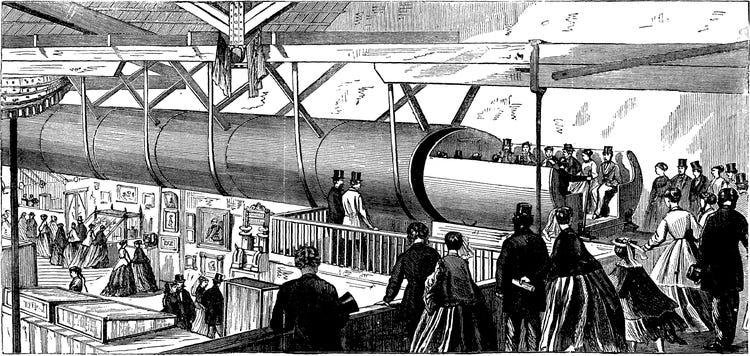
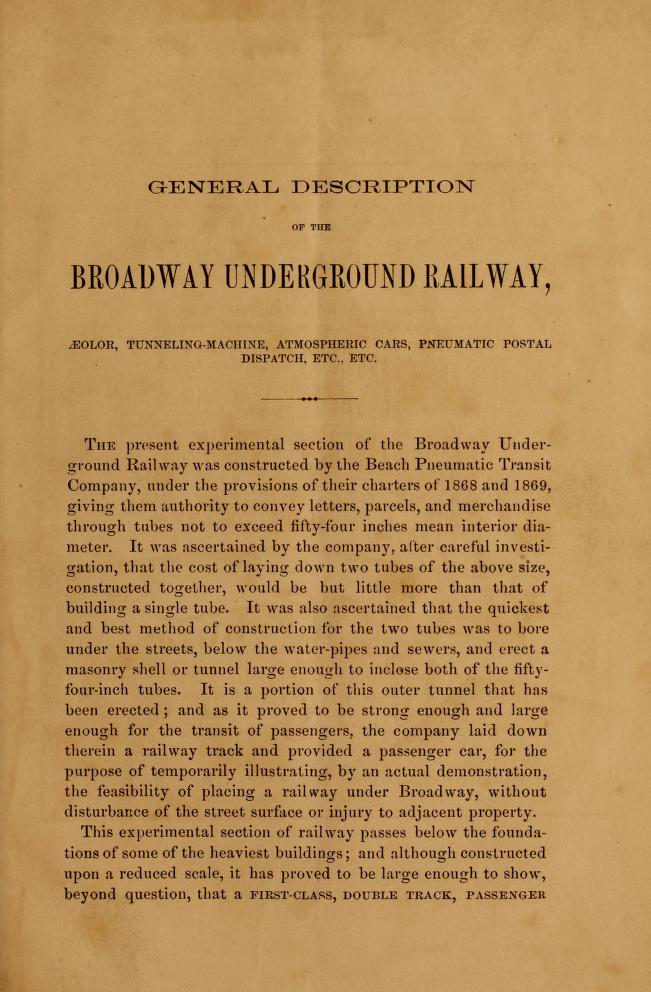
The pneumatic tube saga of the 19th century is what we know today as the Hyperloop. It was used in New York (Beach Pneumatic Transit) in 1867, but also in London UK (as the Crystal Palace pneumatic railway) in 1864 (!) and in a few other places even prior to the mentioned dates.
So...WHO really built this stuff? WHO designed it?? AND WHEN?? By what means of technology during a time of Horse & Buggy, shovels and "slaves"??
WHAAA??!?
19th Century: Hyperloop Pneumatic and Atmospheric Subway and Railway (THIS one in 1868 -- New York City)
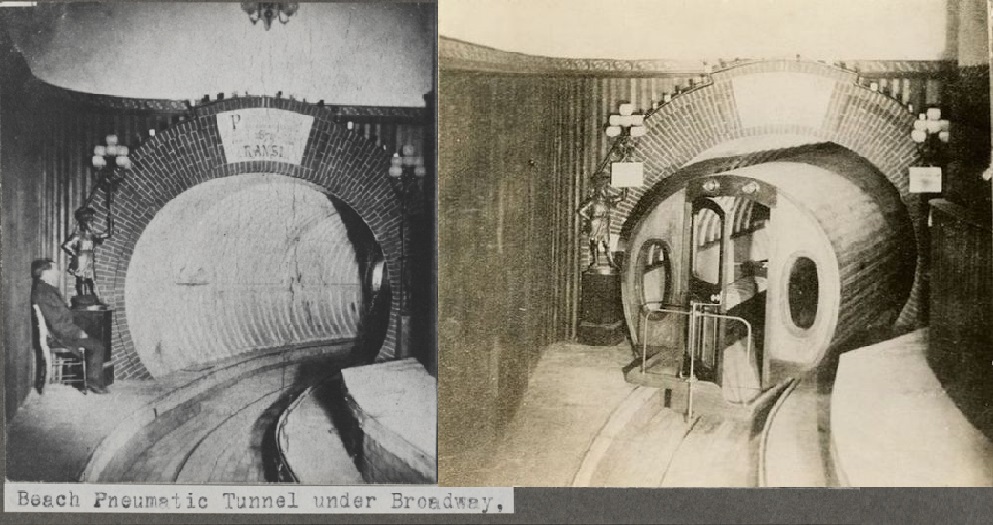
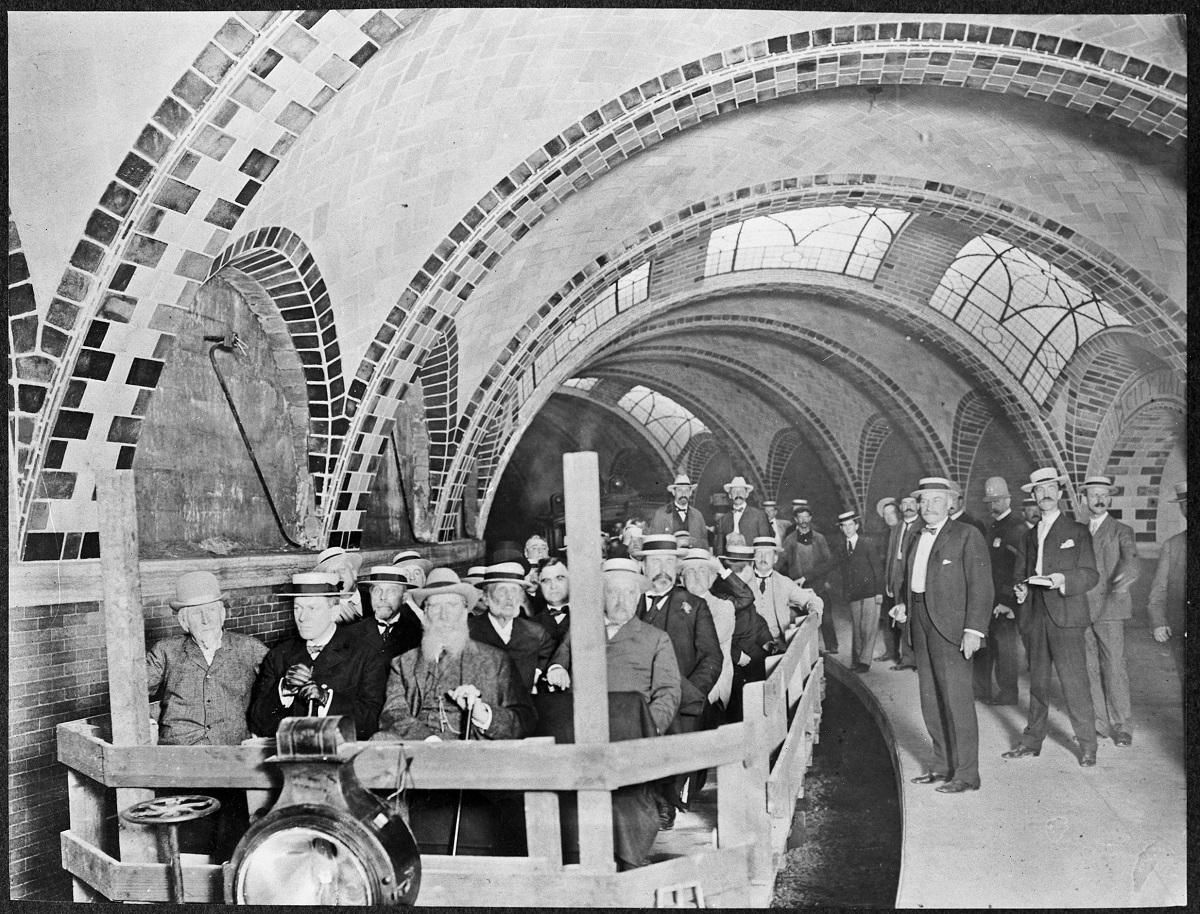
MORE COOL PHOTOS (and historical context)
Here we are, 150 years later, and still not smart enough to implement this technology in the 21st century. All projects were shut down for various financial reasons, and lack of political backing at the time.
THEORY: There was a total RESET some time between the mid 1700s-1900.
The brightest minds of the 19th century tried to re-launch a previous highly technology advanced civilization which survived the calamity and collapse of the previous civilization.
You can argue all you want otherwise, but the riveting obvious evidence suggest the PAST degree of whatever civilization / architecture / technology / infrastructure was already in place (again -- *before* whatever yet unrevealed calamity totally disrupted the world.) It was actually comparable to our level of technical development -- and in many ways even far superior to ours...
So what happened to all these rediscoveries and tech innovations??
WW1. WW2. The Rockefellers. The Top Hats you see in olde photos. tPTB "Secret Societies"; Reasons/Excuses for demolishing the past evidence. Reasons/Excuses for restricting free movements, pioneers and exploration (*cough* National Parks creation and Antarctica.)
The Winners of the post World Calamity (apparently, the British) would go forth to write a whole new "History" -- because as we all know, THE WINNERS GET TO WRITE HISTORY.
The pneumatic tube saga of the 19th century is what we know today as the Hyperloop. It was used in New York (Beach Pneumatic Transit) in 1867, but also in London UK (as the Crystal Palace pneumatic railway) in 1864 (!) and in a few other places even prior to the mentioned dates.
So...WHO really built this stuff? WHO designed it?? AND WHEN?? By what means of technology during a time of Horse & Buggy, shovels and "slaves"??
WHAAA??!?
19th Century: Hyperloop Pneumatic and Atmospheric Subway and Railway (THIS one in 1868 -- New York City)
MORE COOL PHOTOS (and historical context)
Here we are, 150 years later, and still not smart enough to implement this technology in the 21st century. All projects were shut down for various financial reasons, and lack of political backing at the time.
THEORY: There was a total RESET some time between the mid 1700s-1900.
The brightest minds of the 19th century tried to re-launch a previous highly technology advanced civilization which survived the calamity and collapse of the previous civilization.
You can argue all you want otherwise, but the riveting obvious evidence suggest the PAST degree of whatever civilization / architecture / technology / infrastructure was already in place (again -- *before* whatever yet unrevealed calamity totally disrupted the world.) It was actually comparable to our level of technical development -- and in many ways even far superior to ours...
So what happened to all these rediscoveries and tech innovations??
WW1. WW2. The Rockefellers. The Top Hats you see in olde photos. tPTB "Secret Societies"; Reasons/Excuses for demolishing the past evidence. Reasons/Excuses for restricting free movements, pioneers and exploration (*cough* National Parks creation and Antarctica.)
The Winners of the post World Calamity (apparently, the British) would go forth to write a whole new "History" -- because as we all know, THE WINNERS GET TO WRITE HISTORY.
This post was edited on 11/25/22 at 12:11 pm
Posted on 12/5/22 at 10:11 am to Liberator
quote:
The pneumatic tube saga of the 19th century is what we know today as the Hyperloop. It was used in New York (Beach Pneumatic Transit) in 1867, but also in London UK (as the Crystal Palace pneumatic railway) in 1864 (!) and in a few other places even prior to the mentioned dates. So...WHO really built this stuff? WHO designed it?? AND WHEN?? By what means of technology during a time of Horse & Buggy, shovels and "slaves"??
I can only hope you are trolling us.
Comparing that to the Hyperloop is like comparing an 1867 farm wagon with a Tesla Model S.
Of course that 1867 tunnel could be built with 1867 technology.


Posted on 12/5/22 at 10:53 am to Liberator
Stolen from an 18th century design from Wakanda

Posted on 12/5/22 at 10:58 am to MidWestGuy
quote:
Comparing that to the Hyperloop
Well considering the Hyperloop doesn't exist, and never will, any comparisons to it are ridiculous, aside from maybe unicorns.

 Page 1 of 1


Popular
Back to top
 Follow TigerDroppings for LSU Football News