




 4
4



- My Forums
- Tiger Rant
- LSU Recruiting
- SEC Rant
- Saints Talk
- Pelicans Talk
- More Sports Board
- Fantasy Sports
- Golf Board
- Soccer Board
- O-T Lounge
- Tech Board
- Home/Garden Board
- Outdoor Board
- Health/Fitness Board
- Movie/TV Board
- Book Board
- Music Board
- Political Talk
- Money Talk
- Fark Board
- Gaming Board
- Travel Board
- Food/Drink Board
- Ticket Exchange
- TD Help Board
Customize My Forums- View All Forums
- Show Left Links
- Topic Sort Options
- Trending Topics
- Recent Topics
- Active Topics
Started By
Message
One of the most appalling battles in U.S. history turns 162 years old today...
Posted on 5/12/26 at 9:59 am
Posted on 5/12/26 at 9:59 am
The Bloody Angle at Spotsylvania Court House (May 12, 1864).

Before dawn, the mist lay so thick over the fields of Spotsylvania that men could not see five yards ahead. The Army of the Potomac had been bleeding against Robert E. Lee's Army of Northern Virginia for eight savage days. Ulysses S. Grant, unlike every Union general before him, refused to retreat. He would push again. And this morning, he had chosen the salient.
The Confederate earthworks bulged outward from Lee's line in a great curve, nearly a mile deep, jutting northward like a bent thumb. The soldiers who held it called it the Mule Shoe. Grant called it an opportunity.
At 4:35 AM, some 20,000 Federal troops under General Winfield S. Hancock materialized from the fog like a blue tide, moving nearly silently across the field. There were no Rebel pickets to raise the alarm. The Confederate artillery - the guns that could have torn those massed ranks to shreds - had been withdrawn the night before on a false intelligence report. When Hancock's men finally screamed and broke into a run, they crossed the outer works almost before the defenders knew they were coming. Four thousand Confederates were taken prisoner in minutes. Two generals were captured. The Mule Shoe had nearly collapsed.
But Robert E. Lee was watching.
He rushed division after division into the breach. For a few terrible minutes, witnesses reported that Lee himself tried to lead a countercharge, and his men seized his horse's reins and forced him back. Then, like water filling a wound, the Confederate troops sealed the rupture, and both armies found themselves pressed against opposite sides of the same log breastwork, separated by nothing but a few feet of muddy oak and churned earth.
What followed would haunt every man who survived it for the rest of their lives.
The trench line at the tip of the salient, at a sharp bend in the earthworks that maps would forever mark as the Bloody Angle, became the site of fighting so primitive, so suffocating, and so unrelenting that veterans struggled to describe it in language that civilians could comprehend. Men could not retreat; there was nowhere to go. Men could not advance; the wall of bodies would not permit it. So they stayed, and they killed.
Muskets were fired blindly over the tops of the works without shouldering them, muzzles inches from the faces of men on the other side. When rifles jammed from the incessant loading and firing (and they jammed constantly) soldiers used them as clubs. Bayonets were thrust between the logs. Men climbed to the top of the parapet and fired downward until they were shot, and others climbed up to take their place. The dead were stacked so deep in the trenches that the living stood upon them. Rain poured down through the day, turning the earth to red paste, and men slipped and fell among the corpses of their comrades and could not always rise again.
An oak tree nearly two feet in diameter was gnawed entirely through by rifle fire and toppled during the fighting - not cut by axes, not struck by artillery, but felled by nothing but bullets. (You can view a section of this oak tree at the Smithsonian Museum of American History in Washington, D.C. to this day.)
The screaming never stopped. The firing never stopped. Officers on both sides made desperate attempts to pull their men back, to rationalize some tactical withdrawal from a position that was no longer defensible by any logic of warfare. Logic had left Spotsylvania. The men would not move. Perhaps they were incapable of it. Perhaps something in the human animal, pressed past a certain point, simply ceases to calculate.
Confederate General John Gordon would later write that the men had fought "with a desperation and fury utterly indescribable." Union veterans said much the same. What happened at the Bloody Angle was not a battle in any conventional sense. It was an extinction event in miniature, happening in a space the size of a city block, hour after unbroken hour.
At roughly 3:00 AM of May 13th - after nearly twenty hours of continuous combat - the Confederates finally slipped away from the tip of the salient under cover of darkness to a new defensive line Lee's engineers had spent the day constructing behind them. Only then did the firing stop. Only then was there silence, and it must have felt like the silence after a thunderclap — physically stunning, almost incomprehensible.
In those twenty hours, the two armies suffered an estimated 12,000 to 17,000 casualties combined, killed, wounded, and captured, along a front that, at its most violent point, measured only a few hundred yards wide. Some estimates place the dead and wounded from the fighting at the Mule Shoe salient on that single day as high as 9,000 men. The precise count, as with all such slaughters, was never definitively established, because many of the dead were buried where they fell, in the mud, under the bodies of others, in ground that would be fought over and reorganized and eventually abandoned.
The Bloody Angle was not a decisive moment in the war. No great objective was seized. No army was destroyed. The lines on the maps shifted only slightly. Grant continued south. Lee followed. The killing went on.
But those who were there knew they had passed through something that the ordinary words of human experience were not built to contain. They had stared at strangers through gaps in a log wall and tried to end each other's lives for twenty hours, and then the darkness came, and the strangers disappeared, and the men were left standing in a trench full of the dead, in the rain, trying to remember who they were.
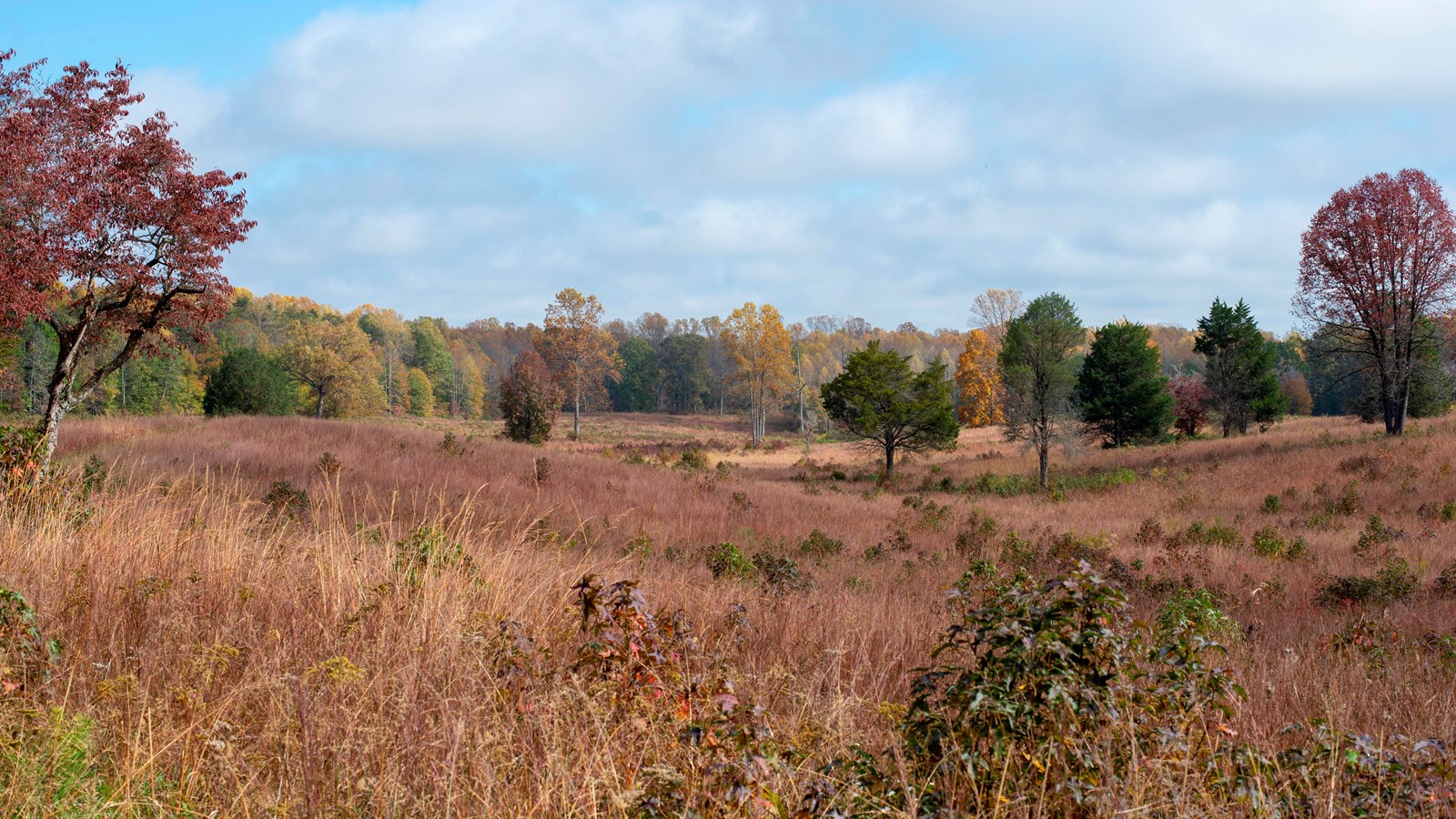
Before dawn, the mist lay so thick over the fields of Spotsylvania that men could not see five yards ahead. The Army of the Potomac had been bleeding against Robert E. Lee's Army of Northern Virginia for eight savage days. Ulysses S. Grant, unlike every Union general before him, refused to retreat. He would push again. And this morning, he had chosen the salient.
The Confederate earthworks bulged outward from Lee's line in a great curve, nearly a mile deep, jutting northward like a bent thumb. The soldiers who held it called it the Mule Shoe. Grant called it an opportunity.
At 4:35 AM, some 20,000 Federal troops under General Winfield S. Hancock materialized from the fog like a blue tide, moving nearly silently across the field. There were no Rebel pickets to raise the alarm. The Confederate artillery - the guns that could have torn those massed ranks to shreds - had been withdrawn the night before on a false intelligence report. When Hancock's men finally screamed and broke into a run, they crossed the outer works almost before the defenders knew they were coming. Four thousand Confederates were taken prisoner in minutes. Two generals were captured. The Mule Shoe had nearly collapsed.
But Robert E. Lee was watching.
He rushed division after division into the breach. For a few terrible minutes, witnesses reported that Lee himself tried to lead a countercharge, and his men seized his horse's reins and forced him back. Then, like water filling a wound, the Confederate troops sealed the rupture, and both armies found themselves pressed against opposite sides of the same log breastwork, separated by nothing but a few feet of muddy oak and churned earth.
What followed would haunt every man who survived it for the rest of their lives.
The trench line at the tip of the salient, at a sharp bend in the earthworks that maps would forever mark as the Bloody Angle, became the site of fighting so primitive, so suffocating, and so unrelenting that veterans struggled to describe it in language that civilians could comprehend. Men could not retreat; there was nowhere to go. Men could not advance; the wall of bodies would not permit it. So they stayed, and they killed.
Muskets were fired blindly over the tops of the works without shouldering them, muzzles inches from the faces of men on the other side. When rifles jammed from the incessant loading and firing (and they jammed constantly) soldiers used them as clubs. Bayonets were thrust between the logs. Men climbed to the top of the parapet and fired downward until they were shot, and others climbed up to take their place. The dead were stacked so deep in the trenches that the living stood upon them. Rain poured down through the day, turning the earth to red paste, and men slipped and fell among the corpses of their comrades and could not always rise again.
An oak tree nearly two feet in diameter was gnawed entirely through by rifle fire and toppled during the fighting - not cut by axes, not struck by artillery, but felled by nothing but bullets. (You can view a section of this oak tree at the Smithsonian Museum of American History in Washington, D.C. to this day.)
The screaming never stopped. The firing never stopped. Officers on both sides made desperate attempts to pull their men back, to rationalize some tactical withdrawal from a position that was no longer defensible by any logic of warfare. Logic had left Spotsylvania. The men would not move. Perhaps they were incapable of it. Perhaps something in the human animal, pressed past a certain point, simply ceases to calculate.
Confederate General John Gordon would later write that the men had fought "with a desperation and fury utterly indescribable." Union veterans said much the same. What happened at the Bloody Angle was not a battle in any conventional sense. It was an extinction event in miniature, happening in a space the size of a city block, hour after unbroken hour.
At roughly 3:00 AM of May 13th - after nearly twenty hours of continuous combat - the Confederates finally slipped away from the tip of the salient under cover of darkness to a new defensive line Lee's engineers had spent the day constructing behind them. Only then did the firing stop. Only then was there silence, and it must have felt like the silence after a thunderclap — physically stunning, almost incomprehensible.
In those twenty hours, the two armies suffered an estimated 12,000 to 17,000 casualties combined, killed, wounded, and captured, along a front that, at its most violent point, measured only a few hundred yards wide. Some estimates place the dead and wounded from the fighting at the Mule Shoe salient on that single day as high as 9,000 men. The precise count, as with all such slaughters, was never definitively established, because many of the dead were buried where they fell, in the mud, under the bodies of others, in ground that would be fought over and reorganized and eventually abandoned.
The Bloody Angle was not a decisive moment in the war. No great objective was seized. No army was destroyed. The lines on the maps shifted only slightly. Grant continued south. Lee followed. The killing went on.
But those who were there knew they had passed through something that the ordinary words of human experience were not built to contain. They had stared at strangers through gaps in a log wall and tried to end each other's lives for twenty hours, and then the darkness came, and the strangers disappeared, and the men were left standing in a trench full of the dead, in the rain, trying to remember who they were.
This post was edited on 5/12/26 at 10:00 am
Posted on 5/12/26 at 10:02 am to RollTide1987
(no message)
This post was edited on 5/12/26 at 10:11 am
Posted on 5/12/26 at 10:04 am to RollTide1987
I don't know which battlefield I would want to fight on in the civil war, but it sure as hell wouldn't be the angle at Spotsylvania. Primitive slaughter.
Right up there with seeing the wounded burn to death while being fired on by people you couldn't even see at the Wilderness.
Right up there with seeing the wounded burn to death while being fired on by people you couldn't even see at the Wilderness.
Posted on 5/12/26 at 10:07 am to UFFan
Wright Thompson, is that you?
Posted on 5/12/26 at 10:09 am to RollTide1987

Posted on 5/12/26 at 10:12 am to RollTide1987
I read it all (nerd alert) and thoroughly enjoyed your post 
Posted on 5/12/26 at 8:28 pm to tide06
quote:
Right up there with seeing the wounded burn to death while being fired on by people you couldn't even see at the Wilderness.
The Wilderness would probably be the one battle of the Civil War I would not have wanted to fight in. The more I read about that battle, the more appalled I am. It's a wonder so few of the veterans ever returned there.

 Page 1 of 1



Popular

Back to top
 Follow TigerDroppings for LSU Football News