




- My Forums
- Tiger Rant
- LSU Recruiting
- SEC Rant
- Saints Talk
- Pelicans Talk
- More Sports Board
- Fantasy Sports
- Golf Board
- Soccer Board
- O-T Lounge
- Tech Board
- Home/Garden Board
- Outdoor Board
- Health/Fitness Board
- Movie/TV Board
- Book Board
- Music Board
- Political Talk
- Money Talk
- Fark Board
- Gaming Board
- Travel Board
- Food/Drink Board
- Ticket Exchange
- TD Help Board
Customize My Forums- View All Forums
- Show Left Links
- Topic Sort Options
- Trending Topics
- Recent Topics
- Active Topics
Started By
Message

FBD: Down with Cleopatra
Posted on 6/11/22 at 8:05 am

Posted on 6/11/22 at 8:05 am

quote:
Fast forward to 1800 BCE, in Mesopotamia. One of the earliest written histories of barley beer is that of a Sumerian poem worshiping Ninkasi, the goddess of beer. They even wrote a brewing recipe by the Sumerians [R].
Later on, in ancient Egypt, beer became an important part of Egyptian society. Beer was not just a pastime. It was nutrition, refreshment, and reward [R].
Beer was very well-loved by the ancient Egyptians that they hated one Queen, Cleopatra VII, for implementing a beer tax
 4
4


Posted on 6/11/22 at 8:15 am to tduecen
Women blocking beer.


Posted on 6/11/22 at 8:26 am to tduecen
Beer is gross
Posted on 6/11/22 at 8:37 am to RonFNSwanson
Agreed
Posted on 6/11/22 at 8:53 am to tduecen

quote:
There are records of brewing in China. Researchers found several artifacts throughout China, which they believed were used to make beer. These artifacts date back to 7,000 BC.
While the Mesopotamians made their brews with cereal and barley, the ancient Chinese made theirs with grapes, honey, and rice. Rice beer, or Lao Li, was offered to the gods and the dead.
Ancient Chinese brews tasted more like starch and grain, with a little sourness and fruity flavor profiles. Ancient brews didn’t use hops, not just in China, but also in Europe.
Because ancient brews don’t use hops, they taste different from a lot of today’s drinks.
After the Han Dynasty, huángjiu, or yellow wine, became more popular. The Chinese didn’t drink as much beer anymore until foreign trade partners introduced brewing facilities in China.
Posted on 6/11/22 at 9:42 am to tduecen

quote:
In the Middle Ages, practically everyone drank beer from servants to women. Beer wasn’t just a nighttime beverage either. Medieval Europeans drank their brews for breakfast.
Beer production was a cottage industry. Families made ales for their own personal consumption in the comfort of their own homes.
This all changed when mass production of brews began from an unlikely group of people.
The Benedictine Monks are responsible for the development of modern beer brewing methods. These monks made and served beer for pilgrims and travelers. The monks had a vow of hospitality, so it made sense they wanted to improve on ways to make beer.
Ales were safer to drink than water in the Middle Ages, which made it a better choice to serve to visitors.
Posted on 6/11/22 at 10:13 am to tduecen

quote:
And the monks themselves also drank beer. Monks drank beer during Lent, as they were fasting. Beer was the perfect fasting drink because it provided more calories than water. This was how beer got its name, “liquid bread.”
Monks are important for the development of beer as we know it today. They introduced regulations and even developed the use of hops in brewing.
Hops weren’t around just for flavoring. The monks discovered that hops were an important preservative which helped increase the shelf life of beer. It took some time to get the recipe right, though.
Posted on 6/11/22 at 10:54 am to tduecen

quote:
Beer was practically the same as water for medieval Germans. It offered the same hydration benefits as water, while also being safer to consume and more hygienic. This was before they invented sewage systems.
For something as widely consumed as beer, there’s bound to be a few scumbags. These scammers would add many additions to their brew, including hallucinogenic plants like todays CBD. They would then sell these brews at a premium.
Because of these scams, and a wheat shortage, the Bavarian authorities came up with the Purity Law (Reinheitsgebot).
The Reinheitsgebot states that brewers can only use three ingredients, and three ingredients only: barley, hops, and water


Posted on 6/11/22 at 11:01 am to tduecen
FBD: Parish No Slaw, Extra Toast


Posted on 6/11/22 at 11:12 am to tduecen
quote:
The Reinheitsgebot states that brewers can only use three ingredients, and three ingredients only: barley, hops, and water
Thank goodness there are rules.
FBD after mowing a friend's yard who is out of town. My grace is boundless.

This post was edited on 6/11/22 at 11:13 am


Posted on 6/11/22 at 11:12 am to LSUBoo
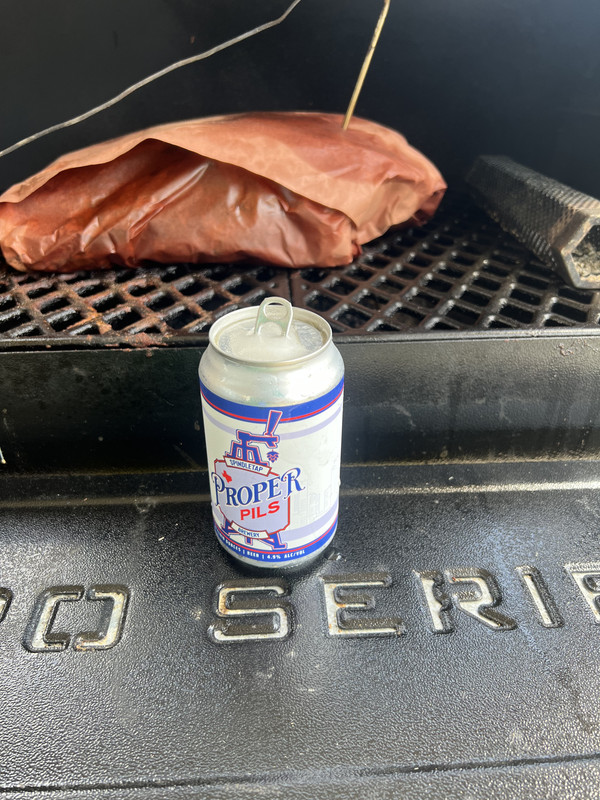
FBD after some yawd work
Posted on 6/11/22 at 11:16 am to tduecen
quote:
The Reinheitsgebot states that brewers can only use three ingredients, and three ingredients only: barley, hops, and water
They used wheat all the time.
Posted on 6/11/22 at 11:23 am to tduecen

quote:
It’s impossible to talk about the history of beer without talking about the ales of England. Along with Germany and the Low Countries of Europe, the United Kingdom and Ireland are part of what we call the Beer Belt of Europe.
Beer was a very popular drink of choice in the English Middle Ages. Just like in Medieval Germany, the Medieval English treated beer as a staple drink, and beer was drunk with all of their meals.
The English opposed hopped beers when they became popular elsewhere in Europe. To the English, a real ale should only have liquor, malt, and yeast.
Attitudes changed, though, and soon enough, the English embraced hopped beers. Thus, the porter was born and the porter vs stout debate has begun.

Posted on 6/11/22 at 11:23 am to LSUBoo
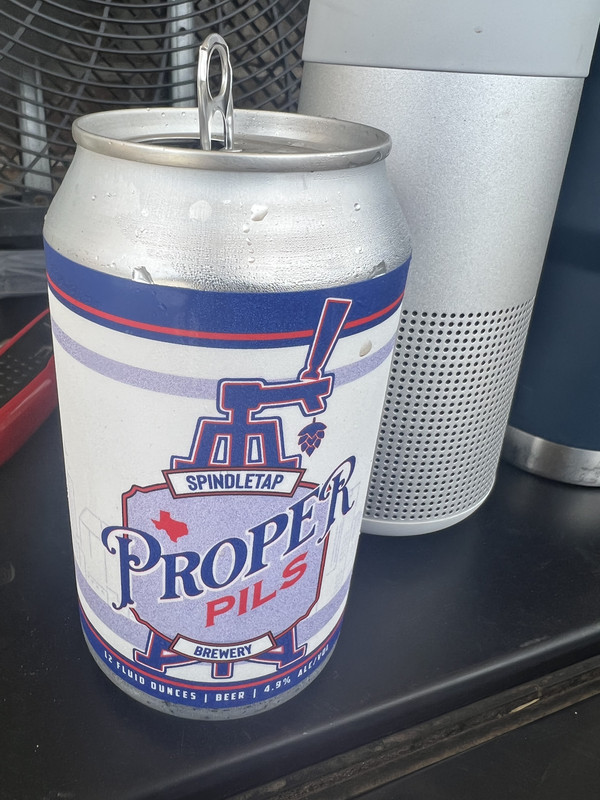
FBD Coriander

Posted on 6/11/22 at 11:47 am to USEyourCURDS
Posted on 6/11/22 at 11:59 am to bnb9433

quote:
Porters are a well-hopped brew. The English drank porters as early as the 14th century. It is dark in appearance thanks to the use of brown malt.
The porter got its name because it was the drink of choice with street and river porters and other laborers of the time.
The porter is the first beer that didn’t need aging in taverns. Unlike most brews, it is possible to produce porters on a large scale.
England is home to many of today’s most popular brews. The India Pale Ale (IPA) is one very popular style developed in England. IPAs were meant for delivery to the British Empire in the East.
The British Empire needed an ale that would survive the six-month journey to India, which had a warmer climate. With a few developments, the India Pale Ale was born.
IPA never really took off in India, but Americans revived it later on when microbreweries took off.
Posted on 6/11/22 at 12:20 pm to tduecen
2BD: Rally Cap Coconut First Pitch

Posted on 6/11/22 at 12:27 pm to LSUBoo

quote:
Remember the beer goddess Ninkasi?
Because of this ancient Sumerian myth, many people attribute the invention of beer to women. And since brewing is a kitchen activity, women were the ones who made ales in ancient times.
Before the 1500s, women were the ones who made ales. “Alewife” is the name given to women brewsters. Brewing beer was a cottage industry in England, too, and so they also considered it “women’s work,” much like other household activities.
They soon replaced alewives with taverns. The church believed alewives to be evil tricksters and witches. Because of all these comparisons of alewives to witches, and the change in attitude from a family drink to a social one, less and fewer women made ale.
Taverns, run by men, soon replaced alewives.
Women still continued brewing privately in their own homes for consumption. But when beer was marketed as a “manly drink,” women stopped brewing.
Posted on 6/11/22 at 12:40 pm to tduecen
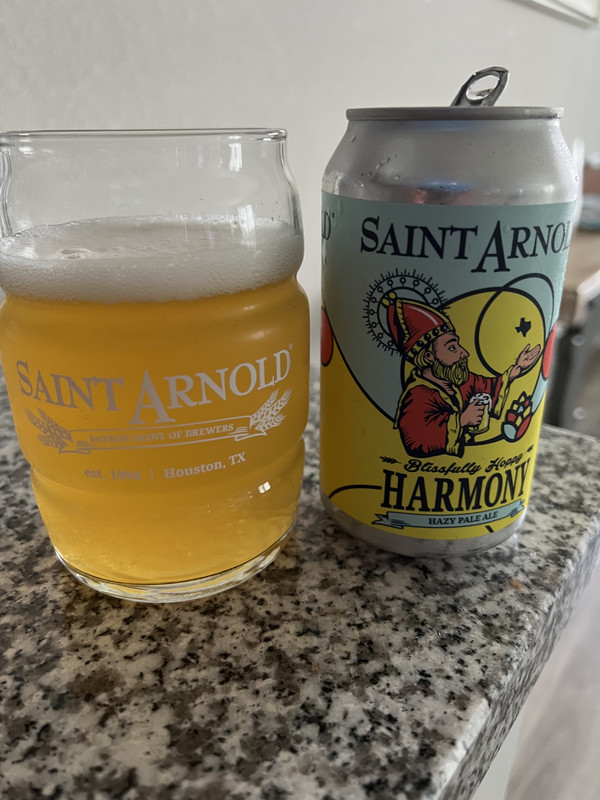
2BD while taking a beer break from yard work

This post was edited on 6/11/22 at 12:41 pm
Posted on 6/11/22 at 12:43 pm to Kim Jong Ir

 Page 1 of 4

Popular
Back to top
 Follow TigerDroppings for LSU Football News