




- My Forums
- Tiger Rant
- LSU Recruiting
- SEC Rant
- Saints Talk
- Pelicans Talk
- More Sports Board
- Fantasy Sports
- Golf Board
- Soccer Board
- O-T Lounge
- Tech Board
- Home/Garden Board
- Outdoor Board
- Health/Fitness Board
- Movie/TV Board
- Book Board
- Music Board
- Political Talk
- Money Talk
- Fark Board
- Gaming Board
- Travel Board
- Food/Drink Board
- Ticket Exchange
- TD Help Board
Customize My Forums- View All Forums
- Show Left Links
- Topic Sort Options
- Trending Topics
- Recent Topics
- Active Topics
Started By
Message
re: Endless Sleep - The Obituary Thread
Posted on 10/23/25 at 1:41 pm to bleeng


Posted on 10/23/25 at 1:41 pm to bleeng
David Ball
Multi-instrumentalist David Ball, who scored a No. 1 hit with 1981’s “Tainted Love” as part of the English synth-pop duo Soft Cell, has died. He was 66 years old.
In 1978, David Ball formed Soft Cell with his Leeds Polytechnic classmate, vocalist Marc Almond. Their first single, “Memorabilia,” caught fire in English nightclubs, but failed to replicate that success on the charts. The duo’s label, Phonogram Records, gave Soft Cell one final chance at chart success. They chose to record a cover of “Tainted Love,” a relatively unknown Northern soul track originally released by T. Rex’s Gloria Jones.
Topping the chart in 17 countries, “Tainted Love” set a Guinness World Record at the time for the longest consecutive stay on the US Billboard Hot 100 chart, where it camped out for 43 weeks.
“We wanted to make catchy but twisted pop songs,” Ball said in a 2021 interview with Mojo. “But we were just two weird guys from Leeds Poly art school – being in the charts was never the plan.”
David Ball’s death comes just two months after Soft Cell played their only UK show of 2025, headlining the Rewind Festival in Henley-on-Thames on Aug. 16. For his final gig ever, Ball took the stage in a wheelchair.
Multi-instrumentalist David Ball, who scored a No. 1 hit with 1981’s “Tainted Love” as part of the English synth-pop duo Soft Cell, has died. He was 66 years old.
In 1978, David Ball formed Soft Cell with his Leeds Polytechnic classmate, vocalist Marc Almond. Their first single, “Memorabilia,” caught fire in English nightclubs, but failed to replicate that success on the charts. The duo’s label, Phonogram Records, gave Soft Cell one final chance at chart success. They chose to record a cover of “Tainted Love,” a relatively unknown Northern soul track originally released by T. Rex’s Gloria Jones.
Topping the chart in 17 countries, “Tainted Love” set a Guinness World Record at the time for the longest consecutive stay on the US Billboard Hot 100 chart, where it camped out for 43 weeks.
“We wanted to make catchy but twisted pop songs,” Ball said in a 2021 interview with Mojo. “But we were just two weird guys from Leeds Poly art school – being in the charts was never the plan.”
David Ball’s death comes just two months after Soft Cell played their only UK show of 2025, headlining the Rewind Festival in Henley-on-Thames on Aug. 16. For his final gig ever, Ball took the stage in a wheelchair.
 1
1


Posted on 10/23/25 at 8:10 pm to bleeng
Great song
Posted on 10/27/25 at 9:43 am to FightinTigersDammit
Jack DeJohnette, (August 9, 1942 – October 26, 2025)the jazz drummer celebrated as one of the genre’s true greats – who worked with stars including Miles Davis, Sonny Rollins and Charles Lloyd – has died aged 83. A press representative for ECM, the record label that released many of his recordings, confirmed the news, while his personal assistant added that he died from congestive heart failure.
Able to bring dynamic, highly musical playing to open-minded free jazz, R&B-leaning instrumental grooves and everything in between, DeJohnette is perhaps best known as the drummer in Davis’s fusion period, contributing to albums such as Bitches Brew, Jack Johnson and On the Corner. He was also celebrated as a regular sideman and bandleader on elegant, progressive fusion releases from ECM in the 1980s.
DeJohnette was born in Chicago in 1942 and played piano from the age of five or six, as he remembered, continuing the instrument alongside the drums which he picked up in his early teens. “Piano and drums are part of the percussion family,” he later said. “There’s no separation: learning one thing feeds the other.”
He started out singing doo-wop in a vocal group and playing rock’n’roll, but was gradually drawn towards jazz, and from the late 1950s had his own trio. He guested with Sun Ra and his Arkestra, fraternised with the city’s avant-garde names such as Muhal Richard Abrams and Roscoe Mitchell, and sat in for a waylaid Elvin Jones in John Coltrane’s band when they played in Chicago: “A really great, physical and spiritual experience,” DeJohnette said of the latter gig.
Time with pianist Bill Evans led him to the edge of Davis’s band at the end of the 1960s, as Davis was bringing in electric instrumentation and forging beyond the boundaries of post-bop. When drummer Tony Williams left, DeJohnette was called up. “I think playing with Miles, with Dave Holland, Chick Corea and Wayne Shorter was a very exciting period,” DeJohnette said of a band that produced Bitches Brew, Big Fun and a series of acclaimed live LPs. “We always couldn’t wait to get on the bandstand to see what kind of mischief we could get into.”
Davis would have his band work up monumental grooves, starting with DeJohnette: “I’d start something and if it was OK he wouldn’t say anything and it would continue, then he’d cue each instrument in and get something going. When it would start percolating, then Miles would then play a solo over that and then let it roll, let it roll until he felt it had been exhausted.”
Able to bring dynamic, highly musical playing to open-minded free jazz, R&B-leaning instrumental grooves and everything in between, DeJohnette is perhaps best known as the drummer in Davis’s fusion period, contributing to albums such as Bitches Brew, Jack Johnson and On the Corner. He was also celebrated as a regular sideman and bandleader on elegant, progressive fusion releases from ECM in the 1980s.
DeJohnette was born in Chicago in 1942 and played piano from the age of five or six, as he remembered, continuing the instrument alongside the drums which he picked up in his early teens. “Piano and drums are part of the percussion family,” he later said. “There’s no separation: learning one thing feeds the other.”
He started out singing doo-wop in a vocal group and playing rock’n’roll, but was gradually drawn towards jazz, and from the late 1950s had his own trio. He guested with Sun Ra and his Arkestra, fraternised with the city’s avant-garde names such as Muhal Richard Abrams and Roscoe Mitchell, and sat in for a waylaid Elvin Jones in John Coltrane’s band when they played in Chicago: “A really great, physical and spiritual experience,” DeJohnette said of the latter gig.
Time with pianist Bill Evans led him to the edge of Davis’s band at the end of the 1960s, as Davis was bringing in electric instrumentation and forging beyond the boundaries of post-bop. When drummer Tony Williams left, DeJohnette was called up. “I think playing with Miles, with Dave Holland, Chick Corea and Wayne Shorter was a very exciting period,” DeJohnette said of a band that produced Bitches Brew, Big Fun and a series of acclaimed live LPs. “We always couldn’t wait to get on the bandstand to see what kind of mischief we could get into.”
Davis would have his band work up monumental grooves, starting with DeJohnette: “I’d start something and if it was OK he wouldn’t say anything and it would continue, then he’d cue each instrument in and get something going. When it would start percolating, then Miles would then play a solo over that and then let it roll, let it roll until he felt it had been exhausted.”


Posted on 11/6/25 at 6:00 pm to Kafka
LINK
quote:
Former Squeeze drummer Gilson Lavis, who played with the band during its most successful period, died on Tuesday at the age of 74.
Keyboardist Jools Holland, who played with Lavis in Squeeze and later in his own Rhythm & Blues Orchestra, paid tribute to the drummer in a social media statement.
"I’m very sad to report that Gilson Lavis, my dear friend and long-standing drummer, passed away at his home in Lincolnshire last night," Holland wrote. "On behalf of my Orchestra, Squeeze, the many musicians who have worked with and befriended Gilson over the years and all the people he has supported through the AA fellowship, I send our love and sympathy to Nikki and Gilson, his dear wife and son."
Born on June 27, 1951, in Bedford, England, Lavis honed his chops touring with stars such as Chuck Berry, Jerry Lee Lewis and Dolly Parton before joining Squeeze in 1976. He played on all of the band's releases from 1977's Packet of Three EP through 1991's Play. His drumming can be heard on international hits including "Cool for Cats," "Up the Junction," "Tempted" and "Black Coffee in Bed."
Posted on 11/15/25 at 5:16 pm to Kafka
LINK
quote:
Todd Snider, a singer-songwriter who had been a leading light of the Americana music scene for three decades, captivating fans with songs like “Alright Guy,” has died at age 59, it was announced Saturday morning.
quote:
Among the many artists who championed Snider was Jimmy Buffett, who signed the singer to his Margaritaville label, with a debut album produced by Tony Brown and Mike Utley, “Songs for the Daily Planet,” coming out in 1994. The album included Snider’s first airplay success, “Talking Seattle Grunge Rock Blues,” which impacted the album-rock chart.
After leaving Margaritaville and detours with Island and MCA, Snider was signed to John Prine’s label, Oh Boy Records, releasing his fourth album, the Paul Kennedy-produced “Happy to Be Here,” for the imprint in 2000. He realized what many considered his greatest success with the album “East Nashville Skyline” in 2004.
In 2006, on the heels of the album “The Devil You Know,” Snider was nominated for artist of the year at the Americana Honors & Awards.
He launched his own label, Aimless, in 2008 with the EP “Peace Queer,” which went to No. 1 on the Americana airplay chart.
Snider was known to fans of the Adult Swim animated series “Squidbillies” for his frequent appearances in season 5, including playing both Lobster Freak and himself and singing the show’s theme song in one episode.
In 2014, through De Capo, he published a memoir, “I Never Met a Story I Didn’t Like: Mostly True Tall Tales.” A book about his work, “East Nashville Skyline: The Songwriting Legacy of Todd Snider,” was published by Texas A&M University Press earlier this year.
His most recent full-length album was the acclaimed “First Agnostic Church of Hope and Love,” issued in 2021. It debuted at No. 36 on Billboard’s album sales chart and was described by Rolling Stone as “a raw portrait of a world-class songwriter processing calamity and chaos in real time.”

Posted on 11/15/25 at 7:23 pm to Kafka
Sad
RIP
Really good drummer
RIP
Really good drummer

Posted on 11/20/25 at 1:52 pm to hogcard1964

Posted on 11/24/25 at 10:17 am to Kafka
Reggae legend Jimmy Cliff dies, aged 81
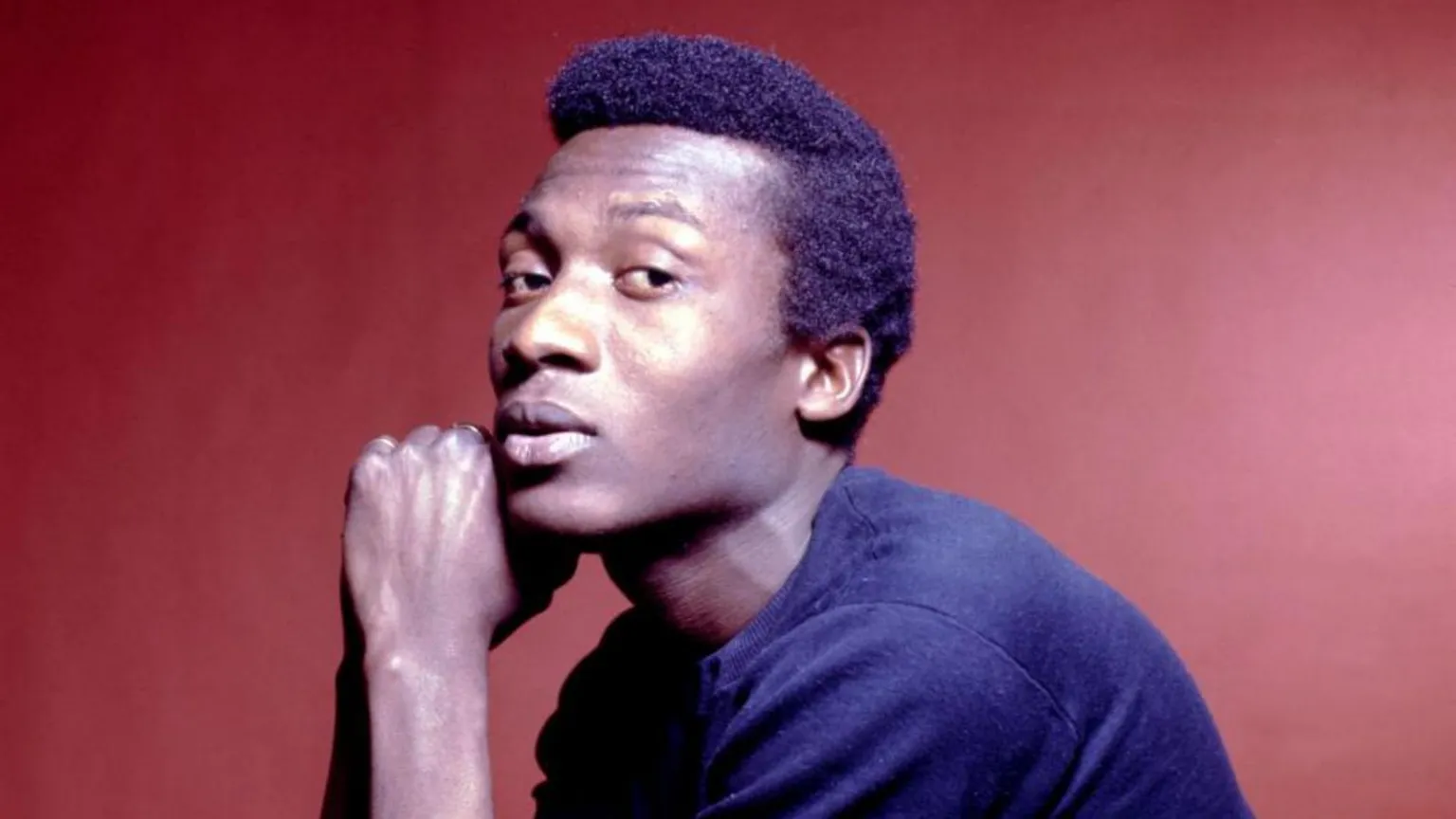
Jimmy Cliff, one of the most prominent and beloved proponents of reggae music, has died at the age of 81.
A star since the 1960s, he helped to bring the sound of Jamaica to a global audience through hits such as Wonderful World, Beautiful People and You Can Get It If You Really Want.
His lead role as a gun-toting rebel in the 1972 crime drama The Harder They Come is a cornerstone of Jamaican cinema, and was attributed as the movie that brought reggae to America.
Cliff's wife, Latifa Chambers, announced his death via a statement on Instagram.
Blessed with a sweet, mellifluous voice, he began singing at his local church at the age of six.
He was inspired to write his own material when he heard ska pioneer Derrick Morgan on the radio - and asked his woodwork teacher how one might go about composing their own song.
“He told me, ‘You just write it!’“ he told Mojo magazine.
”So I went ahead and… wrote a song called I Need A Fiancée, another called Sob Sob and I made a guitar out of bamboo to accompany myself.”
By the time he was 14, he'd moved to Kingston and adopted the surname Cliff to express the heights he intended on reaching.
He recorded a handful of singles before topping the Jamaican charts with his own composition, Hurricane Hattie.
In 1965, he relocated to London to work with Island Records - later the home of Bob Marley - but the label's attempts to make his sound palatable to rock audiences were initially unsuccessful.
He eventually struck gold with the 1969 single Wonderful World, Beautiful People - an upbeat, feelgood anthem; and the more politically-charged Vietnam, which Bob Dylan called "the best protest song ever written".
Its lyric tells the story of a young soldier who writes from the war, promising his mother he'll be home soon; only for her to receive a telegram the next day, informing her of his death.
Cliff reflected on the song in 1986, telling reggae archivist Roger Steffens: "The essence of my music is struggle. What gives it the icing is the hope of love."
The musician became an international star with The Harder They Come, expressly written for the movie of the same name, in which he played Ivan Martin, a young man trying to break into Jamaica's corrupt music industry.
"The film opened the door for Jamaica," Cliff recalled. "It said, 'This is where this music comes from.'"
BBC Sounds: Witness - Jimmy Cliff on The Harder They Come
BBC 6 Music: The First Time with Jimmy Cliff
Cliff contributed four songs to the soundtrack, including the gospel hymn Many Rivers To Cross, which reflected his early days as a struggling artist in the UK.
"I was still in my teens," he later recalled. "I came full of vigour: I'm going to make it, I'm going to be up there with the Beatles and the Stones."
"And it wasn't really going like that, I was touring clubs, not breaking through. I was struggling, with work, life, my identity. I couldn't find my place. Frustration fuelled the song."
Instead, the film and its soundtrack won him international acclaim. Rolling Stone magazine even named it one of their top 500 albums of all time.
During the 1980s, he collaborated with the Rolling Stones on their Dirty Work album, and he returned to the US charts in 1993 with his cover of I Can See Clearly Now, from the soundtrack for Cool Runnings, which followed the escapades of Jamaica's bobsled team.
His other recordings included the Grammy Award-winning albums Cliff Hanger (1985) and Rebirth (2012), a nostalgic return to form.
Cliff entered the Rock and Roll Hall of Fame in 2010, calling it "a great thrill and an honour".
Inducting him, Fugees star Wyclef Jean said he'd been inspired by Cliff's success as a young boy growing up in Haiti.
"When we saw Jimmy Cliff, we saw ourselves," he said.
Cliff continued to tour late into his life, playing Glastonbury's legends slot in 2003; and winning over a new generation of fans at the 2010 Coachella Festival.
His contributions to Jamaican music and culture were recognised in October 2003 when he was awarded the country's prestigious Order of Merit.
But the singer said his connection to fans was more important than any of the other honours bestowed upon him.
Speaking to US radio station NPR in 2012, he reflected: "When someone comes up to me and says, 'I was a dropout in school and I heard your song You Can Get It If You Really Want, and that song made me go back to school, and now I am a teacher and I use your song with my students' - that, for me, is a big success."
The musician became an international star with The Harder They Come, expressly written for the movie of the same name, in which he played Ivan Martin, a young man trying to break into Jamaica's corrupt music industry.
"The film opened the door for Jamaica," Cliff recalled. "It said, 'This is where this music comes from.'"
BBC Sounds: Witness - Jimmy Cliff on The Harder They Come
BBC 6 Music: The First Time with Jimmy Cliff
Cliff contributed four songs to the soundtrack, including the gospel hymn Many Rivers To Cross, which reflected his early days as a struggling artist in the UK.
"I was still in my teens," he later recalled. "I came full of vigour: I'm going to make it, I'm going to be up there with the Beatles and the Stones."
"And it wasn't really going like that, I was touring clubs, not breaking through. I was struggling, with work, life, my identity. I couldn't find my place. Frustration fuelled the song."
Instead, the film and its soundtrack won him international acclaim. Rolling Stone magazine even named it one of their top 500 albums of all time.
During the 1980s, he collaborated with the Rolling Stones on their Dirty Work album, and he returned to the US charts in 1993 with his cover of I Can See Clearly Now, from the soundtrack for Cool Runnings, which followed the escapades of Jamaica's bobsled team.
His other recordings included the Grammy Award-winning albums Cliff Hanger (1985) and Rebirth (2012), a nostalgic return to form.
Cliff entered the Rock and Roll Hall of Fame in 2010, calling it "a great thrill and an honour".
Inducting him, Fugees star Wyclef Jean said he'd been inspired by Cliff's success as a young boy growing up in Haiti.
"When we saw Jimmy Cliff, we saw ourselves," he said.
Cliff continued to tour late into his life, playing Glastonbury's legends slot in 2003; and winning over a new generation of fans at the 2010 Coachella Festival.
His contributions to Jamaican music and culture were recognised in October 2003 when he was awarded the country's prestigious Order of Merit.
But the singer said his connection to fans was more important than any of the other honours bestowed upon him.
Speaking to US radio station NPR in 2012, he reflected: "When someone comes up to me and says, 'I was a dropout in school and I heard your song You Can Get It If You Really Want, and that song made me go back to school, and now I am a teacher and I use your song with my students' - that, for me, is a big success."
LINK
Jimmy Cliff, one of the most prominent and beloved proponents of reggae music, has died at the age of 81.
A star since the 1960s, he helped to bring the sound of Jamaica to a global audience through hits such as Wonderful World, Beautiful People and You Can Get It If You Really Want.
His lead role as a gun-toting rebel in the 1972 crime drama The Harder They Come is a cornerstone of Jamaican cinema, and was attributed as the movie that brought reggae to America.
Cliff's wife, Latifa Chambers, announced his death via a statement on Instagram.
Blessed with a sweet, mellifluous voice, he began singing at his local church at the age of six.
He was inspired to write his own material when he heard ska pioneer Derrick Morgan on the radio - and asked his woodwork teacher how one might go about composing their own song.
“He told me, ‘You just write it!’“ he told Mojo magazine.
”So I went ahead and… wrote a song called I Need A Fiancée, another called Sob Sob and I made a guitar out of bamboo to accompany myself.”
By the time he was 14, he'd moved to Kingston and adopted the surname Cliff to express the heights he intended on reaching.
He recorded a handful of singles before topping the Jamaican charts with his own composition, Hurricane Hattie.
In 1965, he relocated to London to work with Island Records - later the home of Bob Marley - but the label's attempts to make his sound palatable to rock audiences were initially unsuccessful.
He eventually struck gold with the 1969 single Wonderful World, Beautiful People - an upbeat, feelgood anthem; and the more politically-charged Vietnam, which Bob Dylan called "the best protest song ever written".
Its lyric tells the story of a young soldier who writes from the war, promising his mother he'll be home soon; only for her to receive a telegram the next day, informing her of his death.
Cliff reflected on the song in 1986, telling reggae archivist Roger Steffens: "The essence of my music is struggle. What gives it the icing is the hope of love."
The musician became an international star with The Harder They Come, expressly written for the movie of the same name, in which he played Ivan Martin, a young man trying to break into Jamaica's corrupt music industry.
"The film opened the door for Jamaica," Cliff recalled. "It said, 'This is where this music comes from.'"
BBC Sounds: Witness - Jimmy Cliff on The Harder They Come
BBC 6 Music: The First Time with Jimmy Cliff
Cliff contributed four songs to the soundtrack, including the gospel hymn Many Rivers To Cross, which reflected his early days as a struggling artist in the UK.
"I was still in my teens," he later recalled. "I came full of vigour: I'm going to make it, I'm going to be up there with the Beatles and the Stones."
"And it wasn't really going like that, I was touring clubs, not breaking through. I was struggling, with work, life, my identity. I couldn't find my place. Frustration fuelled the song."
Instead, the film and its soundtrack won him international acclaim. Rolling Stone magazine even named it one of their top 500 albums of all time.
During the 1980s, he collaborated with the Rolling Stones on their Dirty Work album, and he returned to the US charts in 1993 with his cover of I Can See Clearly Now, from the soundtrack for Cool Runnings, which followed the escapades of Jamaica's bobsled team.
His other recordings included the Grammy Award-winning albums Cliff Hanger (1985) and Rebirth (2012), a nostalgic return to form.
Cliff entered the Rock and Roll Hall of Fame in 2010, calling it "a great thrill and an honour".
Inducting him, Fugees star Wyclef Jean said he'd been inspired by Cliff's success as a young boy growing up in Haiti.
"When we saw Jimmy Cliff, we saw ourselves," he said.
Cliff continued to tour late into his life, playing Glastonbury's legends slot in 2003; and winning over a new generation of fans at the 2010 Coachella Festival.
His contributions to Jamaican music and culture were recognised in October 2003 when he was awarded the country's prestigious Order of Merit.
But the singer said his connection to fans was more important than any of the other honours bestowed upon him.
Speaking to US radio station NPR in 2012, he reflected: "When someone comes up to me and says, 'I was a dropout in school and I heard your song You Can Get It If You Really Want, and that song made me go back to school, and now I am a teacher and I use your song with my students' - that, for me, is a big success."
The musician became an international star with The Harder They Come, expressly written for the movie of the same name, in which he played Ivan Martin, a young man trying to break into Jamaica's corrupt music industry.
"The film opened the door for Jamaica," Cliff recalled. "It said, 'This is where this music comes from.'"
BBC Sounds: Witness - Jimmy Cliff on The Harder They Come
BBC 6 Music: The First Time with Jimmy Cliff
Cliff contributed four songs to the soundtrack, including the gospel hymn Many Rivers To Cross, which reflected his early days as a struggling artist in the UK.
"I was still in my teens," he later recalled. "I came full of vigour: I'm going to make it, I'm going to be up there with the Beatles and the Stones."
"And it wasn't really going like that, I was touring clubs, not breaking through. I was struggling, with work, life, my identity. I couldn't find my place. Frustration fuelled the song."
Instead, the film and its soundtrack won him international acclaim. Rolling Stone magazine even named it one of their top 500 albums of all time.
During the 1980s, he collaborated with the Rolling Stones on their Dirty Work album, and he returned to the US charts in 1993 with his cover of I Can See Clearly Now, from the soundtrack for Cool Runnings, which followed the escapades of Jamaica's bobsled team.
His other recordings included the Grammy Award-winning albums Cliff Hanger (1985) and Rebirth (2012), a nostalgic return to form.
Cliff entered the Rock and Roll Hall of Fame in 2010, calling it "a great thrill and an honour".
Inducting him, Fugees star Wyclef Jean said he'd been inspired by Cliff's success as a young boy growing up in Haiti.
"When we saw Jimmy Cliff, we saw ourselves," he said.
Cliff continued to tour late into his life, playing Glastonbury's legends slot in 2003; and winning over a new generation of fans at the 2010 Coachella Festival.
His contributions to Jamaican music and culture were recognised in October 2003 when he was awarded the country's prestigious Order of Merit.
But the singer said his connection to fans was more important than any of the other honours bestowed upon him.
Speaking to US radio station NPR in 2012, he reflected: "When someone comes up to me and says, 'I was a dropout in school and I heard your song You Can Get It If You Really Want, and that song made me go back to school, and now I am a teacher and I use your song with my students' - that, for me, is a big success."
LINK
Posted on 12/3/25 at 5:38 pm to Kafka
LINK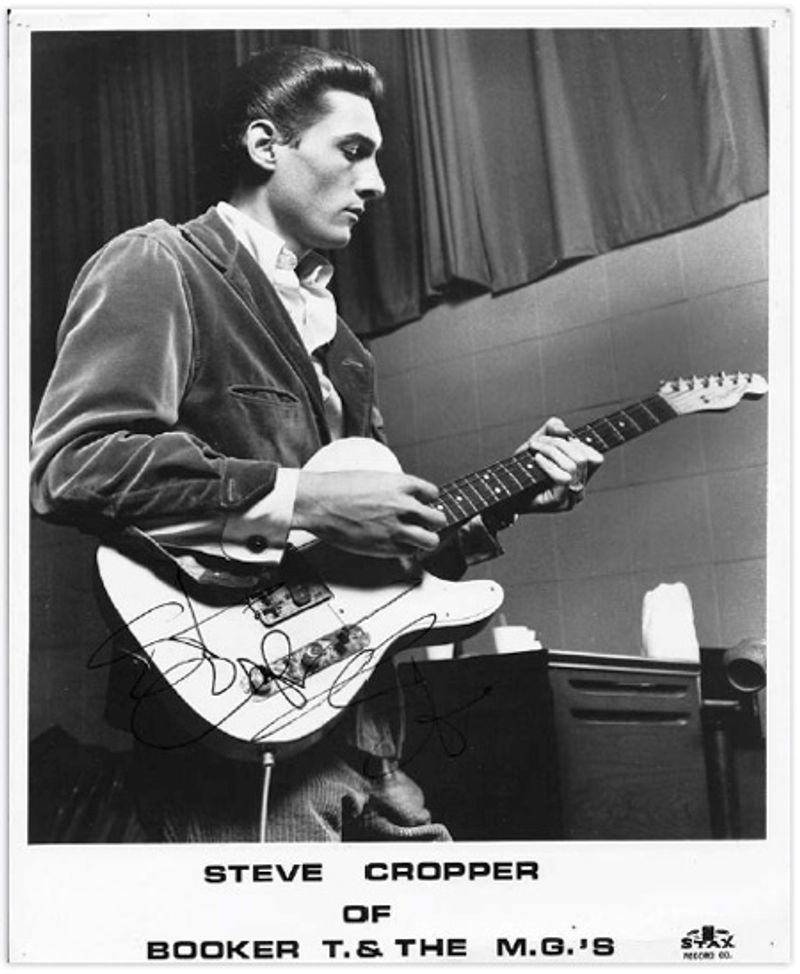
quote:
Guitarist Steve Cropper, who left an indelible impression on Memphis soul music as an instrumentalist, producer and songwriter at Stax Records, has died, his son Cameron confirmed to Variety on Wednesday. He was 84.
Cropper was best known to the public for his distinctive, economical lead/rhythm work in the hit-making interracial instrumental combo Booker T. & the MG’s, but his playing also fired dozens of tracks – some of which he produced or engineered — cut at Stax Records’ studio by such soul greats as Otis Redding, Wilson Pickett, Sam & Dave, Rufus and Carla Thomas and Eddie Floyd.
quote:
As a cleffer, he co-authored the MG’s smashes “Green Onions,” “Soul-Limbo” and “Time is Tight” and such mammoth R&B hits as Redding’s “(Sittin’ on) The Dock of the Bay” and “Mr. Pitiful,” Pickett’s “In the Midnight Hour” and “634-5789,” Floyd’s “Knock On Wood” and “Raise Your Hand” and Don Covay’s “Seesaw” and “Sookie Sookie.”
Posted on 12/3/25 at 8:05 pm to Kafka
A prince and a great man has fallen.


Posted on 12/3/25 at 9:49 pm to FightinTigersDammit
He was once part of the backbone, the nerve center of a great rhythm and blues band. RIP
Posted on 12/3/25 at 9:52 pm to FightinTigersDammit
A quiet giant in music
Posted on 12/9/25 at 6:54 pm to Kafka
LINK
quote:
Raul Malo, whose rich voice was the defining train of the Mavericks, the fittingly named group who brought Latin flavor and lively rock vibe to country music in the 1990s, died on Monday, the band announced on social media. No cause of death was cited, but he announced back in June that he was battling Stage 4 colon cancer; he was 60.
quote:
The group released their self-titled debut album in 1990 and followed with “From Hell to Paradise” two years later. But they broke through with 1994’s “What a Crying Shame,” scoring hits with the title track and “There Goes My Heart.” The band’s popularity rose through the ‘90s, scoring a major country hit with “All You Ever Do Is Bring Me Down,” featuring Tex-Mex star Flaco Jiménez, and winning several CMA awards.
Posted on 12/10/25 at 8:18 am to Kafka
Sad news.
One of my music regrets was not going to see him live, solo, at Blueberry Hill in St. Louis; a basement venue with a bar in the back that holds about 300. The man could sing the hell of out of Roy or pretty much any of the greats. RIP to a great singer himself.
One of my music regrets was not going to see him live, solo, at Blueberry Hill in St. Louis; a basement venue with a bar in the back that holds about 300. The man could sing the hell of out of Roy or pretty much any of the greats. RIP to a great singer himself.
This post was edited on 12/10/25 at 9:58 am
Posted on 12/19/25 at 6:01 pm to Mizz-SEC
Michael (Mick) Timothy Abrahams, Born: April 7, 1943- DIed: December 19, 2025. He was the original guitarist with the band Jethro Tull, and died at age 82.
Mick played on Tull's debut album, This Was, in 1968, but he left after conflicts between him and flute-playing frontman Ian Anderson over the group's musical direction.
Mick wanted to pursue a more blues/rock style, while Anderson pushed to incorporate more folk and jazz influences.
Mick went on to form Blodwyn Pig and the group recorded two albums, Ahead Rings Out (1969) and Getting To This (1970).
He soldiered on with the short-lived Wommett, then the Mick Abrahams Band, and he continued to release albums by himself and with reunited versions of Blodwyn Pig.
Mick worked as a driver, lifeguard and financial consultant, occasionally appearing as a Tull guest and playing gigs for charities in Luton and Dunstable.
He suffered a heart attack in 2009 and the following year he revealed he had Ménière's disease.
Mick's friend, Ray Dorset, of Mungo Jerry, posted on social media today: "Just checking my emails in the car after leaving Düsseldorf Airport and got the very sad news that Mick Abrahams has left the building.
"He was such a lovely guy as well as being a terrific guitarist. It was an honour to support his band Blodwyn Pig prior to Mungo Jerry taking off."
Mick's autobiography, What Is A Wommett, published in 2008 with a foreword by Old Grey Whistle Test presenter "Whispering" Bob Harris, is well worth a read.
Mick played on Tull's debut album, This Was, in 1968, but he left after conflicts between him and flute-playing frontman Ian Anderson over the group's musical direction.
Mick wanted to pursue a more blues/rock style, while Anderson pushed to incorporate more folk and jazz influences.
Mick went on to form Blodwyn Pig and the group recorded two albums, Ahead Rings Out (1969) and Getting To This (1970).
He soldiered on with the short-lived Wommett, then the Mick Abrahams Band, and he continued to release albums by himself and with reunited versions of Blodwyn Pig.
Mick worked as a driver, lifeguard and financial consultant, occasionally appearing as a Tull guest and playing gigs for charities in Luton and Dunstable.
He suffered a heart attack in 2009 and the following year he revealed he had Ménière's disease.
Mick's friend, Ray Dorset, of Mungo Jerry, posted on social media today: "Just checking my emails in the car after leaving Düsseldorf Airport and got the very sad news that Mick Abrahams has left the building.
"He was such a lovely guy as well as being a terrific guitarist. It was an honour to support his band Blodwyn Pig prior to Mungo Jerry taking off."
Mick's autobiography, What Is A Wommett, published in 2008 with a foreword by Old Grey Whistle Test presenter "Whispering" Bob Harris, is well worth a read.
This post was edited on 12/20/25 at 10:51 am
Posted on 12/22/25 at 7:22 pm to Kafka
LINK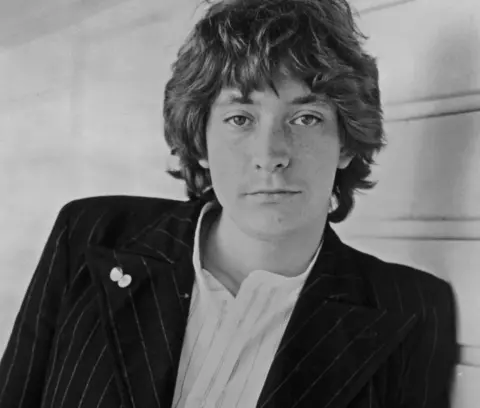
quote:
LONDON, Dec 22 (Reuters) - Chris Rea, an English singer-songwriter and guitarist best known for his festive hit "Driving Home For Christmas", has died aged 74 following a short illness, his family said on Monday.
Hailing from Middlesbrough, a port town in northeast England, Rea's song "Fool (If You Think It's Over)" from his debut studio album in 1978 was his biggest chart hit, reaching the U.S. billboard Hot 100 and earning him a Grammy nomination.
Posted on 12/23/25 at 12:34 pm to Kafka
Michal Urbaniak (January 22, 1943 – December 20, 2025) was a Polish jazz musician who played violin, lyricon, and saxophone. His music includes elements of folk music, rhythm and blues, hip hop, and symphonic music.
He started his music education during high school in Lódz, Poland, and continued from 1961 in Warsaw in the violin class of Tadeusz Wronski. Learning to play on the alto saxophone alone, he first played in a Dixieland band, and later with Zbigniew Namyslowski and the Jazz Rockers, with whom he performed during the Jazz Jamboree festival in 1961. After this, he was invited to play with Andrzej Trzaskowski, and toured the United States in 1962 with the Andrzej Trzaskowski band, the Wreckers, playing at festivals and clubs in Newport, San Francisco, Chicago, Washington, D.C., and New York City.
After many triumphant concerts in Europe and the United States, in May 1973 he played for the last time before a Polish audience and emigrated with Urszula Dudziak on September 11, 1973, to the United States, where he lived as a U.S. citizen.
Urbaniak followed his musical journey with innovative projects such as Urbanator (the first band to fuse rap & hip-hop in jazz), [citation needed] Urbanizer (a project with his band and four-piece R&B vocal group, 1978) and UrbSymphony. On January 27, 1995, UrbSymphony performed and recorded a concert with a rapper and a 60-piece symphony orchestra.
Urbaniak played with Billy Cobham, Buster Williams, Chick Corea, Harold Ivory Williams, Elvin Jones, Freddie Hubbard, George Benson, Herbie Hancock, Joe Henderson, Joe Zawinul, Kenny Barron, Larry Coryell, Lenny White, Marcus Miller, Quincy Jones, Ron Carter, Roy Haynes, Vladyslav Sendecki, Wayne Shorter, and Weather Report. In 1985, he was invited to play during the recording of Tutu with Miles Davis.
He started his music education during high school in Lódz, Poland, and continued from 1961 in Warsaw in the violin class of Tadeusz Wronski. Learning to play on the alto saxophone alone, he first played in a Dixieland band, and later with Zbigniew Namyslowski and the Jazz Rockers, with whom he performed during the Jazz Jamboree festival in 1961. After this, he was invited to play with Andrzej Trzaskowski, and toured the United States in 1962 with the Andrzej Trzaskowski band, the Wreckers, playing at festivals and clubs in Newport, San Francisco, Chicago, Washington, D.C., and New York City.
After many triumphant concerts in Europe and the United States, in May 1973 he played for the last time before a Polish audience and emigrated with Urszula Dudziak on September 11, 1973, to the United States, where he lived as a U.S. citizen.
Urbaniak followed his musical journey with innovative projects such as Urbanator (the first band to fuse rap & hip-hop in jazz), [citation needed] Urbanizer (a project with his band and four-piece R&B vocal group, 1978) and UrbSymphony. On January 27, 1995, UrbSymphony performed and recorded a concert with a rapper and a 60-piece symphony orchestra.
Urbaniak played with Billy Cobham, Buster Williams, Chick Corea, Harold Ivory Williams, Elvin Jones, Freddie Hubbard, George Benson, Herbie Hancock, Joe Henderson, Joe Zawinul, Kenny Barron, Larry Coryell, Lenny White, Marcus Miller, Quincy Jones, Ron Carter, Roy Haynes, Vladyslav Sendecki, Wayne Shorter, and Weather Report. In 1985, he was invited to play during the recording of Tutu with Miles Davis.
Posted on 1/18/26 at 12:10 pm to bleeng
Ralph Towner (March 1, 1940 – January 18, 2026) was an American multi-instrumentalist, composer, arranger and bandleader. He played the twelve-string guitar, classical guitar, piano, synthesizer, percussion, trumpet, and French horn.
He joined world music pioneer Paul Winter's "Consort" ensemble in the late 1960s. He first played jazz in New York City in the late 1960s as a pianist and was strongly influenced by the renowned jazz pianist Bill Evans. He began improvising on classical and 12-string guitars in the late 1960s and early 1970s and formed alliances with musicians who had worked with Evans, including flautist Jeremy Steig, bassists Eddie Gómez, Marc Johnson, Gary Peacock, and drummer Jack DeJohnette.
Along with bandmates Paul McCandless, Glen Moore, and Collin Walcott, Towner left the Winter Consort in 1970 to form the group Oregon, which over the course of the 1970s issued a number of influential records mixing folk music, Indian classical forms, and avant-garde jazz-influenced free improvisation. At the same time, Towner began a longstanding relationship with the ECM record label, which released virtually all of his non-Oregon recordings after his 1973 debut as a leader Trios / Solos.
He joined world music pioneer Paul Winter's "Consort" ensemble in the late 1960s. He first played jazz in New York City in the late 1960s as a pianist and was strongly influenced by the renowned jazz pianist Bill Evans. He began improvising on classical and 12-string guitars in the late 1960s and early 1970s and formed alliances with musicians who had worked with Evans, including flautist Jeremy Steig, bassists Eddie Gómez, Marc Johnson, Gary Peacock, and drummer Jack DeJohnette.
Along with bandmates Paul McCandless, Glen Moore, and Collin Walcott, Towner left the Winter Consort in 1970 to form the group Oregon, which over the course of the 1970s issued a number of influential records mixing folk music, Indian classical forms, and avant-garde jazz-influenced free improvisation. At the same time, Towner began a longstanding relationship with the ECM record label, which released virtually all of his non-Oregon recordings after his 1973 debut as a leader Trios / Solos.
Posted on 1/23/26 at 8:14 pm to Kafka
LINK

David Bowie's song about Uncle Floyd
quote:
Legendary New Jersey comedian Floyd Vivino, known as “Uncle Floyd,” has died at 74.
quote:
Born in Paterson, NJ, in 1951, Vivino was best known for his low-budget variety comedy TV series, “The Uncle Floyd Show.”
It ran on local cable from 1974 until 2001, and had a cult following in New Jersey and New York.
quote:
The comedian also had famous fans, and got name-dropped in songs from several big artists, including the 2002 David Bowie song “Slip Away” and the 1981 Ramones song “It’s Not My Place.”
Per the Bergen Record, Vivino talked about once meeting Bowie, and when he asked how the rock star knew him, the “Let’s Dance” singer said, “John Lennon told me.”
David Bowie's song about Uncle Floyd
Posted on 1/28/26 at 2:09 pm to Kafka
James "Mingo" Lewis (December 8, 1953 - January 27, 2026) was an American percussionist and drummer who played with Santana, Al Di Meola (he was a band member for Di Meola's first five albums), Return to Forever, and The Tubes.
Lewis is credited with composition of one song on four of the first five Di Meola albums: "The Wizard" on Land of the Midnight Sun, "Flight Over Rio" on Elegant Gypsy, and "Chasin' The Voodoo" on Casino (retitled from his composition Frankinsence on his 1976 album Flight Never Ending). For The Tubes album Now Lewis wrote "God-Bird-Change", which he reprised on Di Meola's Electric Rendezvous.
He has performed live and/or recorded with hundreds of musicians such as Third World, Miles Davis, Todd Rundgren, and Billy Joel. He has recorded over 100 records, many of which were Grammy winners.
One night, the Santana band was in town to play at Madison Square Garden. It happened that the percussion section had quit the afternoon before the gig, and Carlos and the band were left scrambling to find a replacement. When the show's promoter got word that Mingo, who had been dragged to the show by a friend, was in the house waiting for the show to begin, an impromptu audition was arranged, and with only minutes to spare, Mingo filled in. It was the beginning of what would become a three-year relationship with Santana, during which they toured the world and recorded the studio albums Caravanserai and Love, Devotion and Surrender and the live LP Live at the Crater Festival.
Over the ensuing years, he worked on some highly acclaimed pop and fusion records, including Billy Joel's Turnstiles, Todd Rundgren's Nearly Human, XTC's Skylarking, David Byrne and Brian Eno's My Life in the Bush of Ghosts, and a handful of Al DiMeola's early works.
Lewis is credited with composition of one song on four of the first five Di Meola albums: "The Wizard" on Land of the Midnight Sun, "Flight Over Rio" on Elegant Gypsy, and "Chasin' The Voodoo" on Casino (retitled from his composition Frankinsence on his 1976 album Flight Never Ending). For The Tubes album Now Lewis wrote "God-Bird-Change", which he reprised on Di Meola's Electric Rendezvous.
He has performed live and/or recorded with hundreds of musicians such as Third World, Miles Davis, Todd Rundgren, and Billy Joel. He has recorded over 100 records, many of which were Grammy winners.
One night, the Santana band was in town to play at Madison Square Garden. It happened that the percussion section had quit the afternoon before the gig, and Carlos and the band were left scrambling to find a replacement. When the show's promoter got word that Mingo, who had been dragged to the show by a friend, was in the house waiting for the show to begin, an impromptu audition was arranged, and with only minutes to spare, Mingo filled in. It was the beginning of what would become a three-year relationship with Santana, during which they toured the world and recorded the studio albums Caravanserai and Love, Devotion and Surrender and the live LP Live at the Crater Festival.
Over the ensuing years, he worked on some highly acclaimed pop and fusion records, including Billy Joel's Turnstiles, Todd Rundgren's Nearly Human, XTC's Skylarking, David Byrne and Brian Eno's My Life in the Bush of Ghosts, and a handful of Al DiMeola's early works.

 Page 32 of 33

Popular
Back to top
 Follow TigerDroppings for LSU Football News